
Uncategorized
Understanding the Role of Mushrooms in Gut Health

Aug
Mushrooms are often seen as simple salad toppings or pizza ingredients, yet their nutritional profile is nothing short of astonishing. Some species pack more antioxidants than many common vegetables and even contain vitamin D, a rarity in plant-based foods. Most people focus on vitamins and minerals, missing out on the fact that mushrooms are loaded with unique compounds fueling beneficial gut bacteria. These fungi might be the unsung heroes of gut health and whole-body wellness.
Table of Contents
- What Are Mushrooms And Their Nutritional Value?
- The Connection Between Gut Health And Overall Wellness
- How Mushrooms Enhance Gut Health And Microbiome Balance
- Key Compounds In Mushrooms That Support Digestive Health
- Real-World Applications: Incorporating Mushrooms Into Your Diet
Quick Summary
| Takeaway | Explanation |
|---|---|
| Mushrooms are nutritional powerhouses. | They are low in calories and high in essential nutrients like protein, fiber, vitamins, and minerals. |
| Mushrooms support gut health as prebiotics. | Their polysaccharides, especially beta-glucans, nourish beneficial gut bacteria, enhancing microbiome diversity. |
| Integrating mushrooms into meals is easy. | Use fresh mushrooms in salads, soups, or smoothies to boost nutrition easily and deliciously. |
| Cooking mushrooms improves nutrient availability. | Light cooking techniques like sautéing or steaming make nutrients in mushrooms more accessible. |
| Diverse mushroom varieties offer unique benefits. | Different species, like shiitake and reishi, may provide specific medicinal properties beyond basic nutrition. |
What Are Mushrooms and Their Nutritional Value?
Mushrooms represent a fascinating kingdom of organisms that bridge the gap between plants and animals, offering remarkable nutritional complexity and potential health benefits. Unlike plants, mushrooms are fungi characterized by their unique cellular structure and remarkable ability to absorb nutrients from their environment.
The Biological Basics of Mushrooms
At their core, mushrooms are fascinating organisms composed of intricate networks called mycelium. These underground root-like structures absorb nutrients and connect different parts of their ecosystem. What makes mushrooms extraordinary is their ability to decompose organic matter and extract essential minerals and compounds from their surroundings.
According to National Center for Biotechnology Information, mushrooms are nutritional powerhouses that provide significant health advantages. They are remarkably low in calories while delivering a concentrated dose of essential nutrients:
- High protein content relative to their size
- Rich in dietary fiber
- Abundant in vitamins like B complex and D
- Significant mineral content including selenium, potassium, and copper
Nutritional Profile and Health Benefits
The nutritional composition of mushrooms makes them a remarkable food source. They contain unique bioactive compounds that differentiate them from traditional vegetables. These compounds include polysaccharides, terpenoids, and phenolic substances that contribute to their potential therapeutic properties.
Mushrooms’ nutritional profile includes several key characteristics that make them stand out in the dietary landscape. They are naturally cholesterol-free, low in sodium, and provide a substantial source of antioxidants. Their protein content is particularly noteworthy for a plant-based food, making them an excellent option for vegetarians and health-conscious individuals seeking nutrient-dense alternatives.
The diverse range of mushroom species means that nutritional content can vary significantly. Some mushrooms like shiitake, oyster, and reishi are particularly prized for their potential medicinal properties, offering more than just basic nutritional value. Their complex molecular structures suggest potential benefits for immune function, inflammation reduction, and overall wellness.
To clearly highlight the differences and unique contributions of major mushroom species mentioned in the article, the following table summarizes their main health attributes and uses.
| Mushroom Species | Key Benefits | Notable Compounds | Common Use/Preparation |
|---|---|---|---|
| Shiitake | Immune support, potential medicinal value | Polysaccharides, B-vitamins | Culinary, soups, stir-fries |
| Oyster | Supports microbiome, antioxidant rich | Beta-glucans, protein | Sautéed, soups, stir-fries |
| Reishi | Immune modulation, stress adaptation | Beta-glucans, triterpenes | Teas, extracts, supplements |
| White Button | Nutrient-dense, accessible protein source | Selenium, B-vitamins | Raw, salads, cooked dishes |
| Chaga | Antioxidant, gut resilience | Polysaccharides, melanin | Teas, extracts |
While mushrooms might seem simple, they represent a sophisticated nutritional resource that continues to intrigue researchers and health professionals worldwide. Their unique biological characteristics and impressive nutrient profile position them as a remarkable food with potential far beyond basic sustenance.
The Connection Between Gut Health and Overall Wellness
The human gut is far more than a simple digestive system. It functions as a complex ecosystem that plays a critical role in our overall health, acting as a sophisticated communication network that influences everything from immune response to mental well-being.
Understanding the Gut Microbiome
The gut microbiome consists of trillions of microorganisms living in our digestive tract, including bacteria, fungi, and viruses. These microscopic inhabitants are not passive residents but active participants in our physiological processes. They interact with our body’s systems, producing compounds that can trigger immune responses, influence metabolism, and even communicate with our brain through what scientists call the gut-brain axis.
According to Frontiers in Nutrition, the gut microbiome plays a pivotal role in maintaining overall health. Key functions include:
- Digesting complex nutrients
- Producing essential vitamins
- Protecting against harmful pathogens
- Regulating immune system responses
- Influencing mood and cognitive function
The Systemic Impact of Gut Health
When the gut microbiome is balanced, it acts like a sophisticated regulatory system. An optimal microbiome supports not just digestive processes, but extends its influence to multiple bodily functions. Disruptions in this delicate ecosystem can lead to a range of health issues, from digestive disorders to potential impacts on mental health and immune system performance.
Research suggests that the gut microbiome’s composition can influence inflammation levels, metabolic processes, and even neurological functions. The intricate relationship between gut bacteria and our overall health means that maintaining a healthy, diverse microbiome is crucial for preventing chronic diseases and supporting optimal wellness.
The connection between gut health and overall wellness is a testament to the body’s incredible interconnectedness. What happens in the gut does not stay in the gut it reverberates through our entire physiological system. By understanding and nurturing our gut microbiome, we can potentially unlock new pathways to improved health, resilience, and well-being.
How Mushrooms Enhance Gut Health and Microbiome Balance
Mushrooms’ remarkable capacity to positively influence gut health emerges from their unique biochemical composition, offering a natural approach to supporting microbiome wellness. These fascinating fungi provide more than just nutritional value they act as powerful modulators of our internal ecosystem.
Prebiotic Properties of Mushrooms
Mushrooms contain specialized compounds called polysaccharides, particularly beta-glucans, which function as potent prebiotics. These complex carbohydrates serve as nutrition for beneficial gut bacteria, promoting their growth and diversity. Unlike simple sugars, mushroom polysaccharides are not immediately digested but instead travel through the digestive system, providing sustained support for microbiome health.
According to Nutrients journal, mushroom polysaccharides demonstrate remarkable abilities to:
- Increase populations of beneficial bacteria
- Support intestinal barrier function
- Reduce inflammatory responses
- Modulate immune system activity
- Enhance overall microbial diversity
Mechanisms of Gut Microbiome Support
The interaction between mushroom compounds and gut bacteria is intricate and multifaceted. Beta-glucans stimulate the growth of beneficial microorganisms like Lactobacillus and Bifidobacterium, which are crucial for maintaining a balanced gut environment. These interactions trigger cascading positive effects throughout the digestive system, influencing everything from nutrient absorption to immune response.
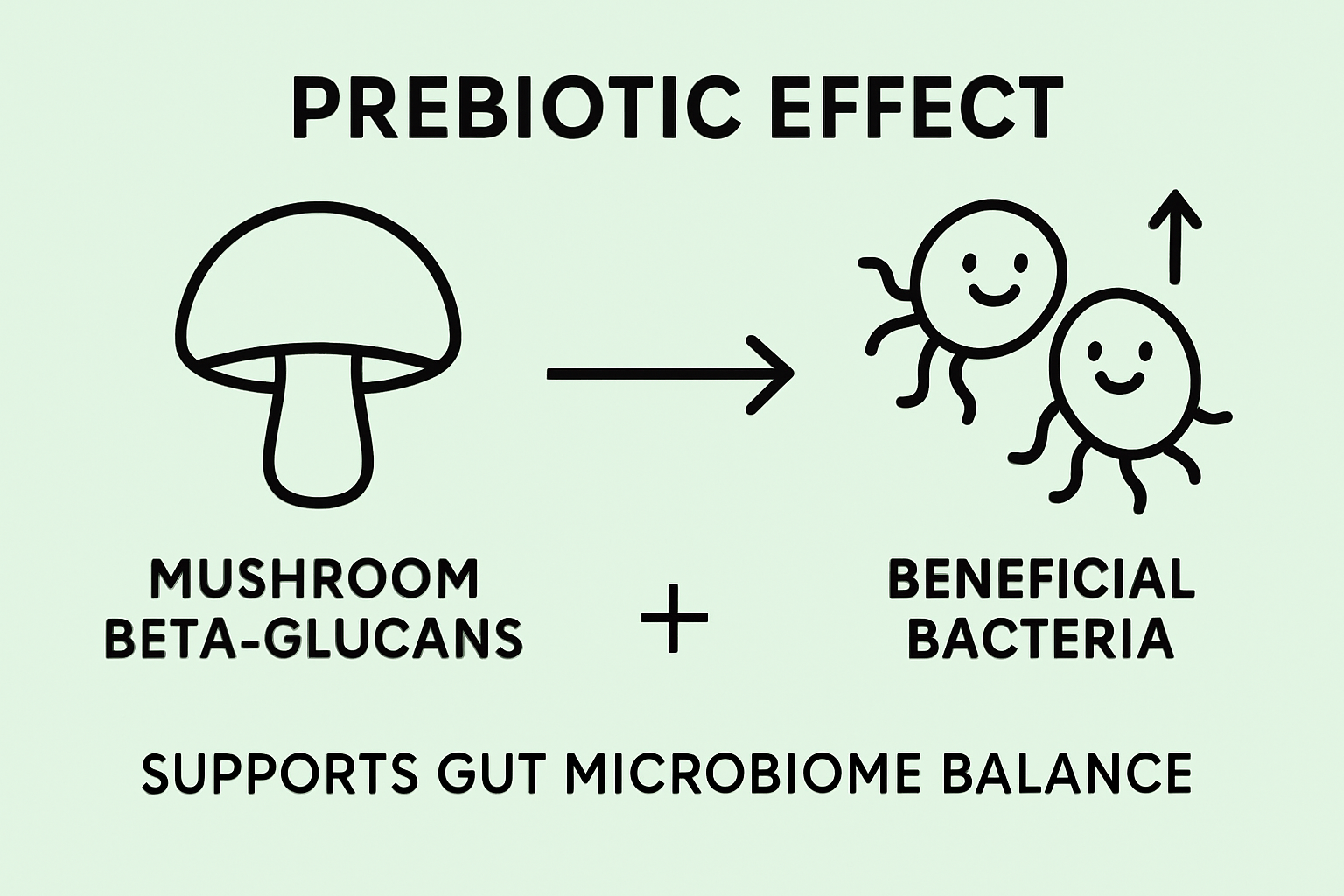
Mushrooms’ prebiotic effects extend beyond simple bacterial growth. They help create an environment that discourages harmful bacterial overgrowth while simultaneously strengthening the intestinal lining. This protective mechanism reduces potential inflammation and supports overall digestive system resilience.
By integrating mushrooms into your diet, you are essentially providing sophisticated nutritional support for your body’s internal ecosystem. Learn more about our targeted mushroom wellness solutions designed to optimize your gut health naturally.
The complex relationship between mushrooms and gut health represents a fascinating frontier in nutritional science. As research continues to unveil the intricate ways these remarkable fungi interact with our microbiome, their potential for supporting holistic wellness becomes increasingly apparent.
Key Compounds in Mushrooms That Support Digestive Health
Mushrooms’ therapeutic potential for digestive wellness stems from their rich and complex biochemical composition. Far more than simple food, these organisms contain sophisticated compounds that interact intricately with our body’s biological systems, offering targeted support for gut health.
Polysaccharides and Beta-Glucans
At the forefront of mushrooms’ digestive health benefits are polysaccharides, particularly beta-glucans. These complex carbohydrates are not ordinary nutrients but powerful bioactive molecules that play a critical role in modulating gut microbiome function. Unlike simple sugars that are quickly absorbed, beta-glucans navigate through the digestive system, providing sustained nutritional support.
According to Scientific Research, these remarkable compounds demonstrate multiple mechanisms of digestive support:
- Stimulate growth of beneficial gut bacteria
- Enhance intestinal barrier integrity
- Reduce inflammatory responses
- Modulate immune system interactions
- Support short-chain fatty acid production
Additional Bioactive Compounds
Beyond beta-glucans, mushrooms contain an array of compounds that contribute to digestive wellness. Terpenoids and phenolic substances work synergistically to support gut health by reducing oxidative stress and promoting a balanced inflammatory response. These compounds interact with gut microbiota, creating an environment that supports bacterial diversity and overall digestive system resilience.
The intricate molecular structures of mushroom compounds allow for nuanced interactions within our digestive ecosystem. They do not simply provide nutrition but actively participate in maintaining gut health balance. Explore our targeted gut health mushroom solutions designed to harness these powerful natural compounds.
By understanding the sophisticated biochemical landscape of mushrooms, we gain insight into their potential as a natural approach to supporting digestive wellness. These compounds represent a sophisticated nutritional strategy that goes beyond traditional dietary supplements, offering a holistic approach to gut health maintenance.
Real-World Applications: Incorporating Mushrooms Into Your Diet
Transforming scientific understanding into practical nutrition requires strategic approaches to integrating mushrooms into daily dietary habits. Understanding how to effectively incorporate these powerful fungi can unlock significant potential for improving gut health and overall wellness.
Diverse Mushroom Consumption Strategies
Mushrooms’ versatility allows for multiple consumption methods that can seamlessly enhance nutritional intake. Fresh culinary mushrooms like shiitake, oyster, and white button varieties offer direct dietary benefits, while supplemental forms provide concentrated nutritional support. Cooking methods can significantly impact their bioactive compound availability, making preparation techniques crucial for maximizing nutritional potential.
According to Journal of Nutrition, incorporating mushrooms into daily diet can produce measurable changes in gut microbiota composition. Effective incorporation strategies include:
- Adding fresh mushrooms to salads and stir-fries
- Using dried mushroom powders in smoothies
- Preparing mushroom-based soups and broths
- Incorporating mushroom supplements
- Experimenting with different cooking techniques
Selecting and Preparing Mushrooms for Optimal Benefits
Not all mushroom preparations deliver equivalent nutritional value. Raw mushrooms contain less bioavailable nutrients compared to lightly cooked varieties. Gentle cooking methods like sautéing or steaming help break down cellular structures, making nutrients more accessible. Some mushrooms, like reishi and chaga, are typically consumed as teas or extracts due to their tough texture.
For those seeking convenient nutritional support, explore our comprehensive mushroom wellness solutions designed to simplify mushroom integration into your daily routine. These targeted formulations provide an easy alternative to complex culinary preparations.
To help you understand the practical ways to enjoy mushrooms for gut health, this table compares different mushroom preparation and consumption methods highlighted in the article, outlining their benefits and considerations.
| Preparation Method | Key Benefits | Considerations |
|---|---|---|
| Raw (Salads, toppings) | Convenient, simple addition | Lower nutrient bioavailability |
| Lightly sautéed/steamed | Enhanced nutrient absorption | Quick, preserves bioactives |
| Soups and broths | Comforting, releases soluble nutrients | Requires cooking time |
| Dried powders (smoothies) | Concentrated nutrients, easy to use | Choose quality for effectiveness |
| Extracts/teas | Access to tough/mature mushroom compounds | Typically from hard mushrooms |
| Supplements/Gummies | Easy, consistent intake, targeted formulas | May lack culinary enjoyment |
Understanding mushroom nutrition goes beyond simple consumption. It involves thoughtful selection, preparation, and integration into a holistic approach to dietary wellness.

By viewing mushrooms as sophisticated nutritional tools, individuals can leverage their remarkable properties to support gut health and overall physiological balance.
Ready to Support Your Gut Health with Real Results?
Have you learned how mushrooms can restore balance and nourish your gut microbiome, but struggle to find practical ways to get these benefits every day? If you are looking for a simple, trusted way to give your digestive system the prebiotic support and diverse nutrients described in the article, you are not alone. Many people want the science-backed benefits of mushrooms but are frustrated by confusing supplements and unappetizing powders.
We created Wunder Mushroom Gummies to make gut wellness easy and delicious. Each gummy is packed with carefully selected mushroom extracts rich in beta-glucans and other bioactive compounds. By focusing on natural, vegan ingredients and tasty flavors, our gummies help you nurture your microbiome without fuss.

Give your gut the sophisticated support it deserves. Shop now for targeted mushroom gummies or explore our full range of wellness products. If you want to take charge of your gut health today, visit Wunder Mushroom Gummies and experience the benefits for yourself. Your digestive wellness journey starts right here.
Frequently Asked Questions
What nutritional benefits do mushrooms offer for gut health?
Mushrooms are rich in polysaccharides, especially beta-glucans, which serve as prebiotics to nourish beneficial gut bacteria. They also contain a range of vitamins, minerals, and antioxidants that contribute to overall digestive health.
How do mushrooms support the gut microbiome?
Mushrooms promote the growth of beneficial bacteria like Lactobacillus and Bifidobacterium, which help maintain a balanced gut microbiome. Their prebiotic properties enhance microbial diversity and improve intestinal health.
Can mushrooms be consumed raw, or do they need to be cooked for gut health benefits?
While raw mushrooms can be eaten, light cooking through methods like sautéing or steaming increases the bioavailability of their nutrients, making it easier for the body to absorb their health benefits.
How can I effectively incorporate mushrooms into my daily diet?
You can add fresh mushrooms to salads, stir-fries, and soups or use dried mushroom powders in smoothies. Additionally, consider mushroom supplements to simplify your intake and enhance gut health.
Recommended
- WUNDER MUSHROOM GUMMIES – THE OFFICIAL WEBSITE
- WUNDER ENTHEOGENIC NOOTROPIC BLEND MUSHROOM GUMMIES SOUR APPLE 7.5G
- WUNDER ENTHEOGENIC NOOTROPIC BLEND MUSHROOM GUMMIES GRAPE 7.5G
- WUNDER ENTHEOGENIC NOOTROPIC BLEND MUSHROOM GUMMIES STRAWNANA 12G
Article generated by BabyLoveGrowth
