
Uncategorized
Understanding Mushroom Safety Guidelines for Health
Oct
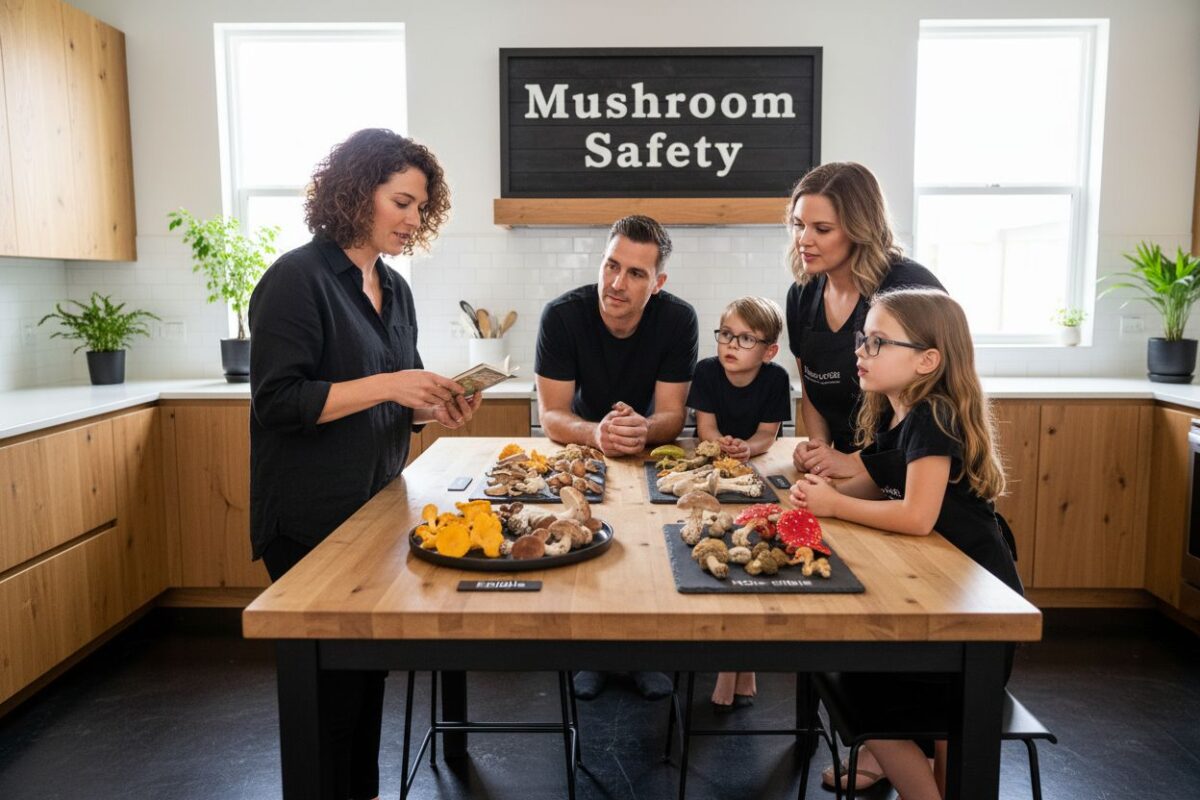
Mushrooms seem like a simple ingredient, found in kitchens or growing wild in the woods. Turns out, their world is anything but simple. There are over 10,000 known types of mushrooms and some are so toxic they can cause organ failure if misidentified. Most people think spotting the difference is easy, but the truth is even experts need special training and careful analysis just to stay safe.
Table of Contents
- What Are Mushroom Safety Guidelines?
- Why Mushroom Safety Matters: Risks And Benefits
- How Mushroom Identification Works: Key Concepts
- Best Practices For Safe Mushroom Consumption
- Real-World Impact Of Following Safety Guidelines
Quick Summary
| Takeaway | Explanation |
|---|---|
| Identify mushrooms precisely before consumption. | Correctly identifying mushroom species is crucial to avoid toxic varieties and health risks. |
| Consult experts for guidance on mushrooms. | Working with mycologists or healthcare professionals ensures responsible use and minimizes risks. |
| Buy mushrooms from certified suppliers. | Sourcing only from reputable suppliers helps ensure safety and compliance with food standards. |
| Assess personal health before consumption. | Individual health evaluations are key in identifying any allergic reactions or contraindications associated with mushrooms. |
| Follow proper handling and storage protocols. | Maintaining strict storage and handling guidelines reduces the risk of contamination and spoilage. |
What Are Mushroom Safety Guidelines?
Mushroom safety guidelines are comprehensive protocols designed to protect individuals from potential health risks associated with consuming or handling various types of mushrooms. These guidelines serve as a critical framework for understanding the complex world of mushrooms, encompassing everything from edible culinary varieties to medicinal and potentially toxic species.
Understanding Mushroom Diversity and Risks
Mushrooms represent an incredibly diverse biological kingdom with profound variations in toxicity, edibility, and potential health impacts. Comprehensive mushroom safety guidelines aim to educate consumers about the critical differences between safe and potentially dangerous mushroom species. Not all mushrooms are created equal, and what might appear harmless could potentially cause significant health complications.
Key considerations in mushroom safety include:
- Precise identification of mushroom species
- Understanding potential toxic compounds
- Recognizing individual physiological sensitivities
- Proper sourcing and procurement methods
The Importance of Expert Guidance
Navigating the intricate landscape of mushroom safety requires expertise and careful research. According to extensive mycological research from the National Institutes of Health, professional guidance is paramount when exploring mushroom consumption or usage. Experts recommend consulting mycologists, botanical specialists, and healthcare professionals before integrating unfamiliar mushroom species into dietary or wellness practices.
While mushrooms offer remarkable potential for health and wellness, understanding their inherent complexities is crucial. Mushroom safety guidelines are not meant to discourage exploration but to empower individuals with knowledge that enables responsible and informed interactions with these fascinating organisms.
Why Mushroom Safety Matters: Risks and Benefits
Mushroom consumption represents a complex intersection of potential health advantages and significant risks.
To help readers quickly compare the potential benefits and risks of mushrooms, the following table summarizes major points about both aspects mentioned in the article.
| Aspect | Description |
|---|---|
| Health Benefits | Some mushrooms offer immune support and cognitive enhancement when properly identified and consumed. |
| Health Risks | Toxic varieties may cause liver damage, neurological issues, severe digestive distress, or organ failure. |
| Identification Margin | The margin between edible and poisonous species can be very small; expert identification is required. |
| Mitigation Strategy | Consult professionals, source from certified suppliers, and follow identification protocols to reduce risk. |
| Responsible Approach | Structured guidelines transform exploration into a safe, wellness-focused practice. |
Potential Health Risks of Improper Mushroom Consumption
Certain mushroom varieties can pose severe health dangers when consumed without proper identification and preparation. According to comprehensive medical research from the National Institutes of Health, mushroom poisoning can lead to critical health complications, including:
- Acute liver damage
- Neurological disruptions
- Severe gastrointestinal distress
- Potential long term organ failure
Balancing Benefits and Potential Dangers
While some mushroom species offer remarkable health benefits, ranging from immune system support to cognitive enhancement, the margin between beneficial and toxic varieties can be razor thin. Professional mycological experts emphasize that mushroom consumption demands meticulous approach and scientific understanding.
Mushroom safety is not about eliminating exploration but creating a structured framework for responsible engagement. By understanding individual physiological responses, sourcing from reputable providers, and consulting healthcare professionals, individuals can minimize risks while potentially accessing the substantial wellness advantages offered by carefully selected mushroom species.
How Mushroom Identification Works: Key Concepts
Mushroom identification represents a sophisticated scientific process that requires deep understanding of botanical characteristics, ecological contexts, and nuanced visual assessment. Understanding mushroom terminology provides the foundational knowledge needed to navigate this complex identification process.
Visual and Structural Characteristics
Accurate mushroom identification hinges on examining multiple critical physical attributes. According to specialized mycological research from Utah State University Herbarium, comprehensive mushroom identification involves analyzing specific morphological features:
- Cap shape, size, and color variations
- Gill structure and attachment method
- Stem characteristics including texture and coloration
- Spore print color and pattern
- Root structure and base connections
Ecological and Contextual Considerations
Beyond physical appearance, professional mycologists understand that mushroom identification requires holistic environmental assessment. Factors such as geographic location, surrounding vegetation, soil composition, and seasonal conditions play crucial roles in definitively categorizing mushroom species.
Professional identification methods combine scientific observation, comparative analysis, and extensive taxonomic knowledge.
The following table outlines key physical and ecological features mentioned in the content that are essential for mushroom identification, enabling greater clarity for beginners and those seeking to avoid confusion.
| Feature | Description |
|---|---|
| Cap Shape and Color | Observe overall shape, size, and color variations |
| Gill Structure and Attachment | Analyze how gills connect to the stem and their pattern |
| Stem Characteristics | Consider stem texture, length, and coloration |
| Spore Print | Examine spore print color and pattern for identification |
| Root/Base Connection | Note how the mushroom connects to underground structures |
| Habitat and Season | Assess local environment, vegetation, and seasonality |
Best Practices for Safe Mushroom Consumption
Safe mushroom consumption requires a systematic, informed approach that prioritizes personal health, scientific understanding, and professional guidance. Responsible mushroom use encompasses comprehensive strategies designed to minimize potential risks while maximizing potential wellness benefits.
Sourcing and Selection Protocols
The foundation of safe mushroom consumption begins with meticulous sourcing and selection. According to comprehensive research from the Journal of Toxicology, individuals should adhere to critical selection guidelines:
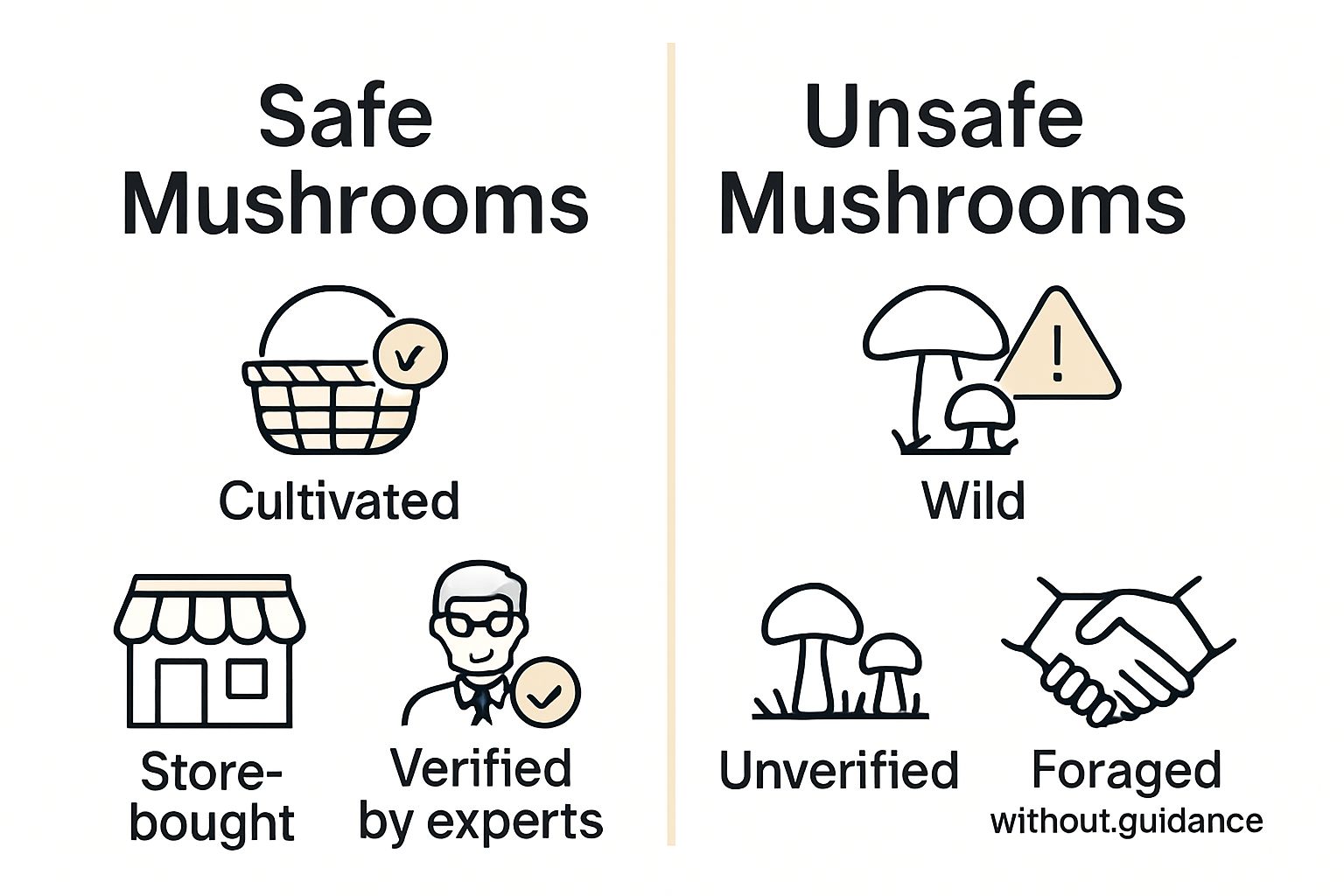
- Exclusively purchase mushrooms from certified, reputable suppliers
- Avoid wild mushroom foraging without professional mycological expertise
- Verify mushroom species through multiple independent identification methods
- Prioritize commercially cultivated mushrooms from regulated sources
- Maintain strict storage and handling protocols
Individual Health Assessment and Professional Consultation
Before integrating any new mushroom species into dietary or wellness practices, comprehensive individual health assessment is paramount. Each person’s physiological response can vary significantly, making personalized medical consultation crucial. Healthcare professionals can help evaluate potential interactions with existing medications, underlying health conditions, and individual metabolic responses.
Implementing a cautious, scientifically grounded approach transforms mushroom consumption from a potential risk into a calculated wellness strategy. By combining rigorous selection protocols, professional medical guidance, and informed decision making, individuals can explore the potential benefits of mushrooms while maintaining stringent safety standards.
Real-World Impact of Following Safety Guidelines
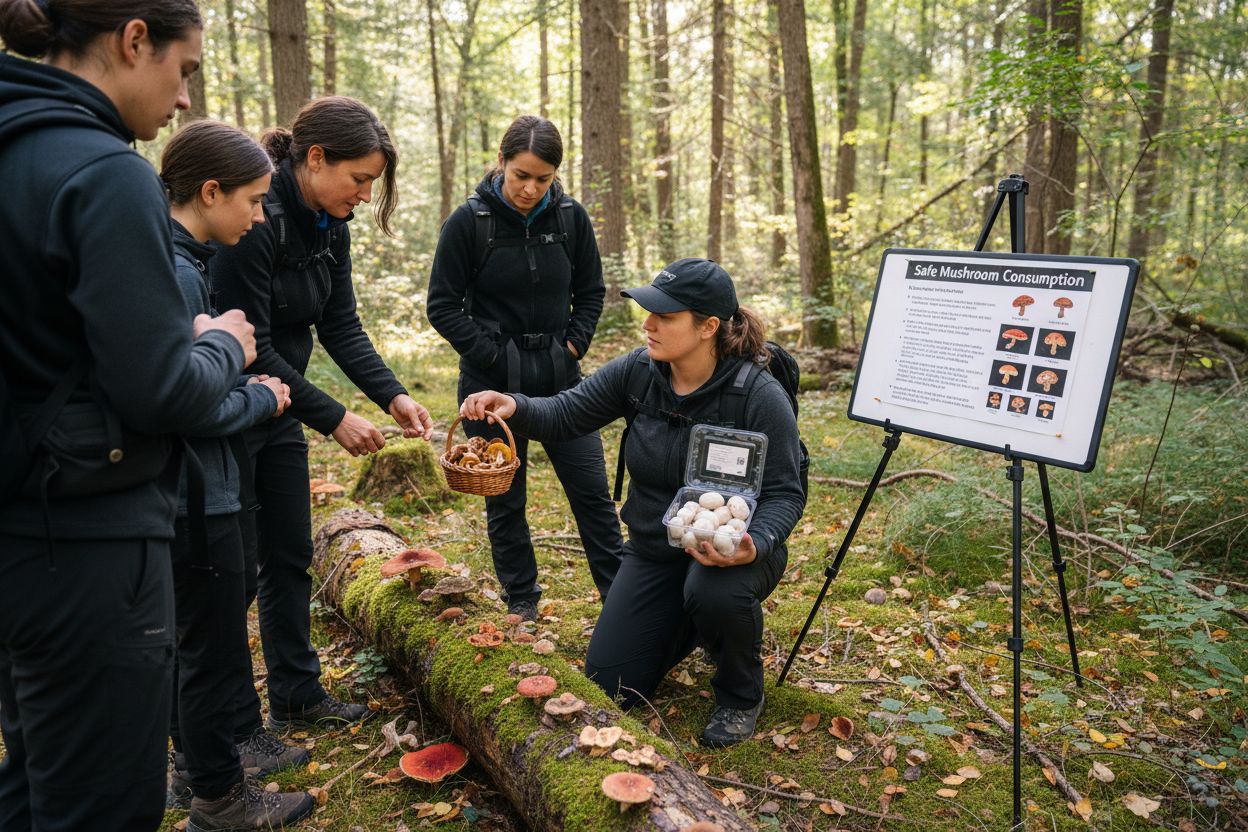
Following comprehensive mushroom safety guidelines transcends theoretical recommendations, directly influencing individual and public health outcomes. Understanding what is responsible mushroom use reveals the profound real-world implications of informed consumption practices.
Health Prevention and Risk Mitigation
According to global food safety research from the World Health Organization, implementing rigorous safety protocols can dramatically reduce potential health risks associated with mushroom consumption. The preventative approach encompasses multiple critical dimensions:
- Preventing acute poisoning incidents
- Reducing long term health complications
- Protecting vulnerable population segments
- Minimizing economic burden on healthcare systems
- Establishing standardized safety communication protocols
Broader Public Health Implications
Mushroom safety guidelines represent more than individual protective measures they constitute a comprehensive public health strategy. By establishing clear identification protocols, sourcing standards, and consumption recommendations, these guidelines create a systematic framework that protects community health.
The cumulative effect of widespread adherence to safety guidelines extends beyond immediate health protection. Such practices foster a culture of informed consumption, scientific literacy, and proactive health management. Through education, professional collaboration, and consistent implementation, mushroom safety guidelines transform potential health risks into opportunities for wellness and scientific understanding.
Take the Guesswork Out of Mushroom Safety and Wellness
Are you feeling overwhelmed by the complexities of mushroom safety and the fear of misidentification? In the article above, you learned why precise identification, expert guidance, and responsible sourcing are essential for your health. Now discover a way to skip the risks without sacrificing the rewards of functional mushrooms. Our Uncategorized Archives provide even more insights into safe and effective mushroom use, so you can be confident in your choices.
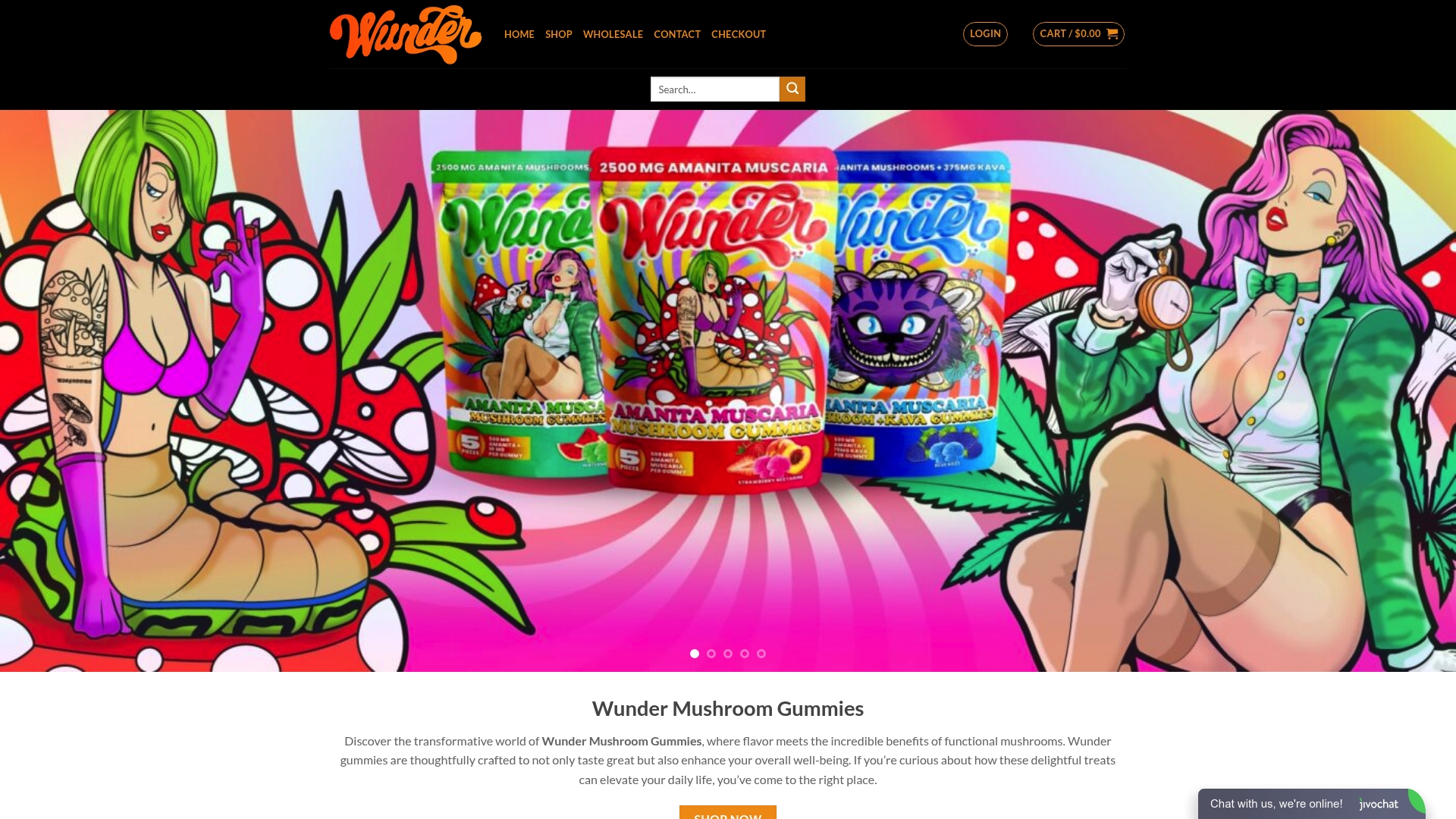
Ready for a safer, simpler way to experience the wellness benefits of mushrooms? Browse our curated selection at WUNDER GUMMIES. Each product is crafted for both safety and enjoyment, using vegan ingredients and carefully selected, lab-tested mushroom varieties. Take control of your wellness routine and shop now to prioritize your safety while enjoying consistent results. Your journey to safe, natural wellness begins here.
Frequently Asked Questions
What are the essential mushroom safety guidelines for health?
Mushroom safety guidelines involve thoroughly identifying mushroom species, understanding their potential toxicity, and sourcing them from reputable suppliers. Start by learning key identification characteristics and always consult a professional before consuming unfamiliar mushrooms.
How can I accurately identify mushrooms to ensure safety?
Accurate mushroom identification requires examining physical features like cap shape, gill structure, and spore print color. Use field guides and, if unsure, seek assistance from a mycologist or mushroom expert to confirm species.
What health risks are associated with improper mushroom consumption?
Improper mushroom consumption can lead to severe health risks such as liver damage, gastrointestinal distress, and neurological issues. Assess potential risks by thoroughly researching unfamiliar mushrooms and consulting healthcare professionals before use.
What steps should I take when sourcing mushrooms for consumption?
To ensure safety, always purchase mushrooms from certified suppliers, avoid wild foraging without expertise, and verify species through multiple identification methods. Implementing these practices can significantly reduce the risk of consuming toxic varieties.
Why is professional consultation important before consuming new mushroom species?
Consulting healthcare professionals is crucial because individual health responses to mushrooms can vary greatly. Conduct a thorough health assessment to understand any potential interactions with medications or pre-existing conditions before integrating new mushrooms into your diet.
How do mushroom safety guidelines impact public health?
Following mushroom safety guidelines helps prevent acute poisoning incidents and protects vulnerable populations while reducing healthcare costs. Establish clear protocols and encourage informed consumption to foster a healthier community.
Recommended
- Mushroom Safety Explained: Understanding Risks and Benefits – WUNDER GUMMIES
- Understanding What is Responsible Mushroom Use – WUNDER GUMMIES
- Understanding Why Responsible Mushroom Use Matters – WUNDER GUMMIES
- Understanding Mushroom Legality Explained: Key Concepts – WUNDER GUMMIES
