
Uncategorized
Understanding What is Responsible Mushroom Use

Sep
Mushrooms are showing up everywhere from health food stores to morning smoothies and people are realizing they are more than just something to toss on a pizza. The surprising part is that edible mushrooms have been found to contain unique bioactive compounds that can help support immune function and even provide preventative health properties. Even so, not all mushrooms are safe and knowledge is the line between a wellness boost and serious risk. Few people realize just how much thoughtful research and careful preparation go into what looks like a simple bite.
Table of Contents
- Defining Responsible Mushroom Use And Its Importance
- The Role Of Mushrooms In Health And Wellness
- Key Principles Of Responsible Mushroom Use
- Potential Risks And Ethical Considerations
- Integrating Responsible Mushroom Use Into Daily Life
Quick Summary
| Takeaway | Explanation |
|---|---|
| Research mushroom varieties before use | Understanding specific types ensures safe and effective use of mushrooms based on their properties. |
| Consult healthcare professionals about supplements | Professional guidance helps prevent adverse interactions with medications and supports informed decisions regarding mushroom use. |
| Start with small quantities and monitor effects | Gradually increasing intake allows for close observation of individual physiological responses to mushrooms. |
| Prioritize ethical sourcing and sustainability | Buy mushrooms from reputable suppliers to promote responsible consumption and environmental health. |
| Integrate mushrooms into a balanced diet | Include diverse mushroom types in meals for optimal nutrient benefits and holistic health support. |
Defining Responsible Mushroom Use and Its Importance
Responsible mushroom use represents a holistic approach to consuming and interacting with various types of mushrooms, emphasizing safety, knowledge, and intentional consumption. This concept goes beyond casual consumption, focusing on understanding the specific properties, potential benefits, and potential risks associated with different mushroom varieties.
Understanding the Core Principles
Responsible mushroom use encompasses several critical considerations. At its foundation, it requires comprehensive knowledge about the specific mushroom type, its origin, potential interactions, and appropriate dosage. Research from the National Institutes of Health highlights that mushrooms serve multiple purposes ranging from nutritional supplements to potential medicinal interventions.
Key principles of responsible mushroom use include:
- Thorough research and understanding of the specific mushroom variety
- Consultation with healthcare professionals before incorporating new mushroom supplements
- Careful monitoring of individual physiological responses
- Respect for recommended dosage guidelines
- Awareness of potential contraindications with existing medications
Health and Wellness Considerations
Responsible mushroom consumption involves recognizing that not all mushrooms are created equal. Some mushrooms offer significant health benefits, while others can pose potential risks if consumed incorrectly. Scientific studies demonstrate that edible mushrooms contain unique bioactive compounds with potential preventative health properties.
Individuals interested in understanding mushroom terminology and health insights should approach consumption with careful consideration. This means understanding the specific properties of functional mushrooms, their potential interactions with individual health conditions, and maintaining a balanced, informed perspective on their potential benefits.
The goal of responsible mushroom use is not just consumption but creating a thoughtful, educated approach to integrating these remarkable organisms into personal wellness strategies. By prioritizing knowledge, safety, and individual health needs, individuals can explore the potential benefits of mushrooms while minimizing potential risks.
The Role of Mushrooms in Health and Wellness
Mushrooms represent a powerful and versatile category of natural organisms with profound implications for human health and wellness. Far beyond simple culinary ingredients, these remarkable fungi offer complex nutritional profiles and potential therapeutic benefits that have captured significant scientific interest in recent years.
Nutritional Powerhouses
Functional mushrooms are extraordinary sources of essential nutrients and bioactive compounds. Research from Harvard T.H. Chan School of Public Health reveals their impressive nutritional composition, which includes critical elements that support overall health.
Key nutritional attributes of mushrooms include:
- Rich sources of B vitamins and dietary fiber
- Presence of unique polysaccharides supporting immune function
- Low-calorie content with high nutrient density
- Potential antioxidant and anti-inflammatory properties
- Natural sources of essential minerals like selenium and potassium
Potential Health Benefits
Beyond basic nutrition, mushrooms demonstrate remarkable potential in supporting various aspects of human wellness. Scientific investigations have uncovered promising connections between mushroom consumption and several health outcomes. Read more about the types of edible mushrooms to explore their diverse capabilities.
Researchers have observed potential benefits in areas such as immune system modulation, cardiovascular health support, and potential protective mechanisms against chronic diseases. Some mushroom varieties show promising indicators for supporting cognitive function, managing stress responses, and potentially contributing to long-term wellness strategies.
The complexity of mushrooms extends beyond simple nutritional metrics. Their bioactive compounds interact with human physiological systems in nuanced ways, suggesting they are more than just food but potentially sophisticated natural wellness tools. By understanding and respecting their unique properties, individuals can integrate mushrooms into comprehensive health approaches that prioritize holistic well-being.
Key Principles of Responsible Mushroom Use
Responsible mushroom use requires a comprehensive, multifaceted approach that goes beyond casual consumption. It involves understanding the intricate nuances of mushroom selection, preparation, and integration into personal wellness strategies.
Safety and Identification
Research from the National Institutes of Health emphasizes the critical importance of accurate mushroom identification and safety protocols. Not all mushrooms are suitable for human consumption, and some can pose significant health risks if incorrectly selected or prepared.
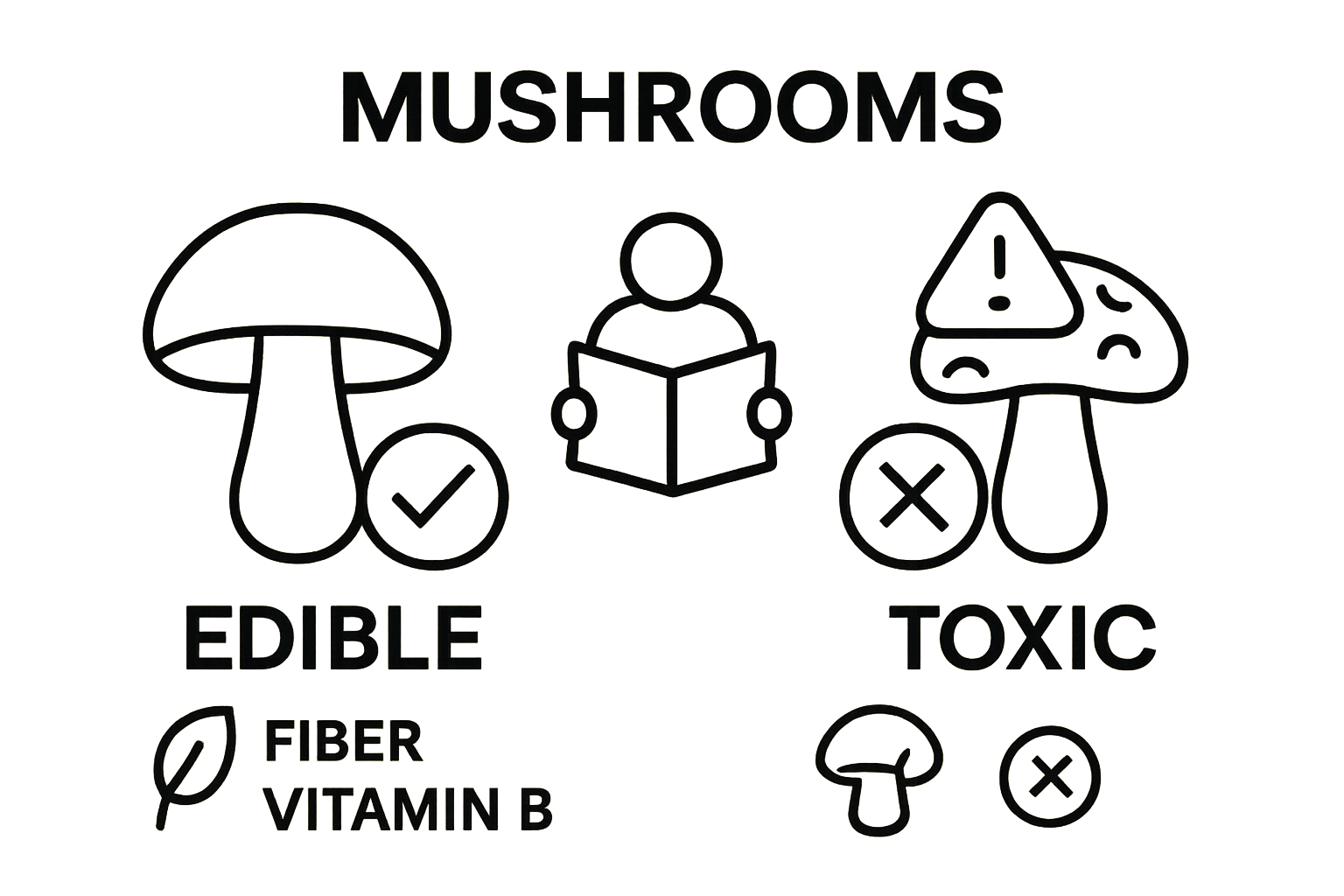
Key safety considerations include:
- Precise identification of mushroom species
- Understanding potential toxic varieties
- Sourcing mushrooms from reputable and verified suppliers
- Proper cleaning and preparation techniques
- Awareness of individual health conditions and potential interactions
Dosage and Individual Response
Responsible mushroom use demands a personalized approach that acknowledges individual physiological differences. What works for one person may not be appropriate for another. Learn more about understanding mushroom cultivation to gain deeper insights into mushroom varieties and their potential impacts.
Individuals should approach mushroom consumption with careful consideration, starting with minimal quantities and monitoring their body’s response. Consulting healthcare professionals becomes crucial, especially for those with pre-existing health conditions or individuals taking medications that might interact with mushroom compounds.
The principles of responsible mushroom use extend beyond personal consumption to include ecological awareness and sustainable practices. By respecting the complexity of these remarkable organisms and approaching their use with knowledge, mindfulness, and scientific understanding, individuals can safely explore the potential wellness benefits of mushrooms while minimizing potential risks.
Potential Risks and Ethical Considerations
Responsible mushroom use extends beyond understanding their benefits, requiring a comprehensive examination of potential risks and complex ethical dimensions. This approach demands careful navigation of scientific, personal, and societal considerations surrounding mushroom consumption.
Physiological and Psychological Risks
Research from the National Institutes of Health highlights the nuanced landscape of potential risks associated with mushroom consumption. Not all mushroom interactions are universally safe, and individual physiological responses can vary significantly.
Critical risk factors include:
- Individual genetic predispositions
- Potential interactions with existing medications
- Pre-existing mental health conditions
- Underlying cardiovascular or neurological vulnerabilities
- Potential for unexpected psychological responses
Ethical Consumption and Informed Decision Making
Ethical mushroom use requires a holistic understanding that transcends individual consumption. Explore our guide on why organic mushrooms matter to understand the broader implications of responsible sourcing and consumption.
Key ethical considerations involve understanding the source of mushrooms, ensuring sustainable harvesting practices, respecting indigenous knowledge systems, and maintaining transparency about potential benefits and limitations. Responsible consumers must prioritize informed consent, personal research, and professional medical guidance before integrating any new mushroom supplement into their wellness routine.
The intersection of personal choice, scientific understanding, and ethical considerations creates a complex framework for mushroom use.
To help readers quickly understand the different risks and ethical factors relevant to mushroom use, the table below organizes key considerations mentioned in the content.
| Risk or Ethical Consideration | Description |
|---|---|
| Individual Genetic Predispositions | Some people have unique genetic factors that impact how they respond to mushroom compounds. |
| Medication Interactions | Mushrooms can interact with existing medications, leading to adverse effects or reduced efficacy. |
| Pre-existing Mental Health Conditions | Individuals with certain mental health concerns may be at higher risk of negative reactions. |
| Cardiovascular or Neurological Vulnerabilities | Underlying health issues may increase sensitivity to specific mushroom bioactive compounds. |
| Unexpected Psychological Responses | Mushrooms can cause unpredictable psychological effects in some individuals. |
| Sustainable Harvesting Practices | Ethical sourcing ensures environmental health and respects ecosystems. |
| Transparency and Informed Consent | Consumers should be aware of both benefits and limitations before new supplements are used. |
| Respect for Indigenous Knowledge | Ethical use includes acknowledging traditional knowledge and sourcing practices. |
Integrating Responsible Mushroom Use into Daily Life
Responsible mushroom use represents a holistic approach to wellness that extends beyond occasional consumption, transforming into a deliberate lifestyle strategy centered on mindful integration and comprehensive understanding of these remarkable organisms.
Dietary and Nutritional Integration
Research from national health studies reveals that consistent, thoughtful mushroom consumption can offer substantial cognitive and physiological benefits. Integrating mushrooms into daily nutrition requires strategic planning and informed selection.
Key strategies for dietary integration include:
- Selecting diverse mushroom varieties with complementary nutritional profiles
- Starting with small, manageable quantities
- Consulting nutritional experts for personalized recommendations
- Monitoring individual physiological responses
- Maintaining consistent but moderate consumption patterns
Holistic Wellness Approach
Learn more about incorporating mushrooms into your diet to understand the nuanced strategies for seamless integration. Responsible mushroom use transcends mere consumption, representing a comprehensive wellness philosophy that considers individual health objectives, personal biochemistry, and broader ecological considerations.
Wellness integration involves understanding mushrooms as complex biological entities with potential to support mental clarity, immune function, and overall physiological balance. This approach demands continuous learning, self awareness, and a commitment to personal and environmental health. By viewing mushroom consumption as part of a broader wellness ecosystem, individuals can develop a more sophisticated, mindful relationship with these extraordinary organisms.

Take Responsible Mushroom Wellness from Theory to Everyday Life
You have explored the importance of responsible mushroom use, from safe identification and proper dosage to ethical consumption. But putting these insights into daily practice can feel overwhelming. Finding trustworthy products and making informed choices is crucial if you want to enjoy the benefits without the risks. That is where we can help you bridge the gap between knowledge and real-life wellness.
Browse our curated selection in the Uncategorized section and discover how responsible use starts with transparent sourcing and guided options designed for your needs.
Ready to make responsible mushroom use a part of your wellness journey? Explore our natural, vegan mushroom gummies and grow kits at WUNDER GUMMIES. Discover transparent information, helpful resources, and product variety crafted for those who want to nurture creativity, clarity, and balance. Shop now to experience safe, intentional mushroom wellness for yourself.
Frequently Asked Questions
What is responsible mushroom use?
Responsible mushroom use involves a holistic approach to consuming mushrooms, emphasizing safety, knowledge, and intentional consumption. It focuses on understanding the properties, benefits, risks, and appropriate dosages of different mushroom varieties.
Why is it important to consult with healthcare professionals before using mushrooms?
Consulting with healthcare professionals is crucial because they can provide tailored advice based on individual health conditions and potential interactions with existing medications, ensuring safe mushroom use.
What should I consider when identifying mushrooms?
When identifying mushrooms, ensure precise species recognition, be aware of toxic varieties, and source them from reputable suppliers. Proper cleaning and preparation techniques are also essential for safety.
How can I incorporate mushrooms into my diet responsibly?
To incorporate mushrooms responsibly, start with small quantities, choose diverse varieties that complement your nutritional needs, and monitor your body’s response. Consulting nutritional experts can also help you make informed choices.
Recommended
- Understanding Mushroom Terminology Explained for Health Insights – WUNDER GUMMIES
- Understanding What is Mushroom Cultivation and Its Benefits – WUNDER GUMMIES
- Understanding Why Organic Mushrooms Matter for Health – WUNDER GUMMIES
- What is Mushroom Bioavailability? A Comprehensive Guide – WUNDER GUMMIES
