
Uncategorized
Understanding Types of Edible Mushrooms: The Essentials

Sep
Edible mushrooms are popping up in kitchens and health routines everywhere. Over 2,000 varieties of mushrooms are safe to eat, and each one carries its own unique benefits for the body and mind. Most people focus on their rich flavors and meaty texture, but what often gets overlooked is their supercharged nutrient profile and surprising power to support immunity, brain health, and even stress management.
Table of Contents
- What Are Edible Mushrooms And Why Do They Matter?
- Nutritional Benefits Of Different Types Of Edible Mushrooms
- Common Varieties Of Edible Mushrooms And Their Uses
- How Edible Mushrooms Contribute To Wellness And Health
- Key Considerations When Choosing Edible Mushrooms
Quick Summary
| Takeaway | Explanation |
|---|---|
| Edible mushrooms are nutrient-rich foods | They provide essential amino acids, dietary fiber, and vital B vitamins for a balanced diet. |
| Mushrooms support immune and metabolic health | Bioactive compounds enhance immune function and regulate cholesterol and blood sugar levels. |
| Diverse varieties offer specific health benefits | Different species like shiitake and lion’s mane provide unique flavors and targeted nutritional advantages. |
| Choose high-quality, safe mushroom sources | Verify grower reputation and seek organic options to ensure optimal nutrition and safety. |
| Mushrooms can aid in mental wellness | Certain types promote neuroplasticity and help manage stress and anxiety for overall emotional balance. |
What Are Edible Mushrooms and Why Do They Matter?
Edible mushrooms represent a fascinating world of nutritional powerhouses that extend far beyond simple culinary ingredients. These remarkable organisms are complex life forms belonging to the fungal kingdom, offering unique characteristics that distinguish them from plants and animals. Explore our guide on mushroom nutrition to understand their comprehensive health benefits.
The Nutritional Landscape of Edible Mushrooms
Edible mushrooms are remarkable for their exceptional nutrient profile. According to research from the National Institutes of Health, these fungi are packed with essential nutrients that contribute significantly to human health. They provide an impressive range of nutritional components:
- High protein content with all essential amino acids
- Rich source of dietary fiber
- Abundant B vitamins including riboflavin, niacin, and pantothenic acid
- Mineral content including selenium, potassium, and copper
- Powerful antioxidants like ergothioneine
Functional Benefits Beyond Basic Nutrition
Beyond their nutritional value, edible mushrooms offer profound functional benefits. They are not merely food but potent natural supplements that support various aspects of human wellness. Their bioactive compounds demonstrate remarkable properties such as immune system modulation, anti-inflammatory effects, and potential cognitive enhancement.
The global significance of edible mushrooms extends far beyond individual health. They represent a sustainable food source with minimal environmental impact, requiring limited land and water resources for cultivation. Their ability to grow in diverse conditions makes them an essential component of global food security strategies, particularly in regions with challenging agricultural landscapes.
The diversity of edible mushrooms is astounding. From commonly known varieties like shiitake and portobello to more exotic species such as lion’s mane and reishi, each mushroom brings a unique flavor profile and potential health benefit. Understanding their characteristics allows individuals to make informed dietary choices that support comprehensive wellness.
Nutritional Benefits of Different Types of Edible Mushrooms
Edible mushrooms are not a monolithic category but a diverse group of fungi with distinct nutritional profiles and health benefits. Learn more about optimal mushroom wellness to understand their comprehensive potential. Their unique composition offers targeted nutritional advantages that make them exceptional dietary supplements.
Below is a comparison table summarizing the unique nutritional and functional benefits offered by common edible mushroom varieties discussed in the article.
| Mushroom Variety | Key Nutrients & Compounds | Notable Health Benefit |
|---|---|---|
| Shiitake | B vitamins, copper, selenium | Immune support, rich umami flavor |
| Oyster | Protein, antioxidants | Cellular health, antioxidant effects |
| Portobello | Potassium, phosphorus | Heart health, robust texture |
| Lion’s Mane | Bioactive compounds for cognition | Potential cognitive support |
| Reishi | Immune-modulating compounds | Immune system enhancement |
| Chaga | Antioxidants | Metabolic and oxidative stress support |
| Cordyceps | Bioactive polysaccharides | Energy production, metabolism support |
Protein and Micronutrient Powerhouses
According to research from the Food and Agriculture Organization, different mushroom varieties provide remarkable nutritional diversity. Each species brings its own spectrum of essential nutrients
 :
:
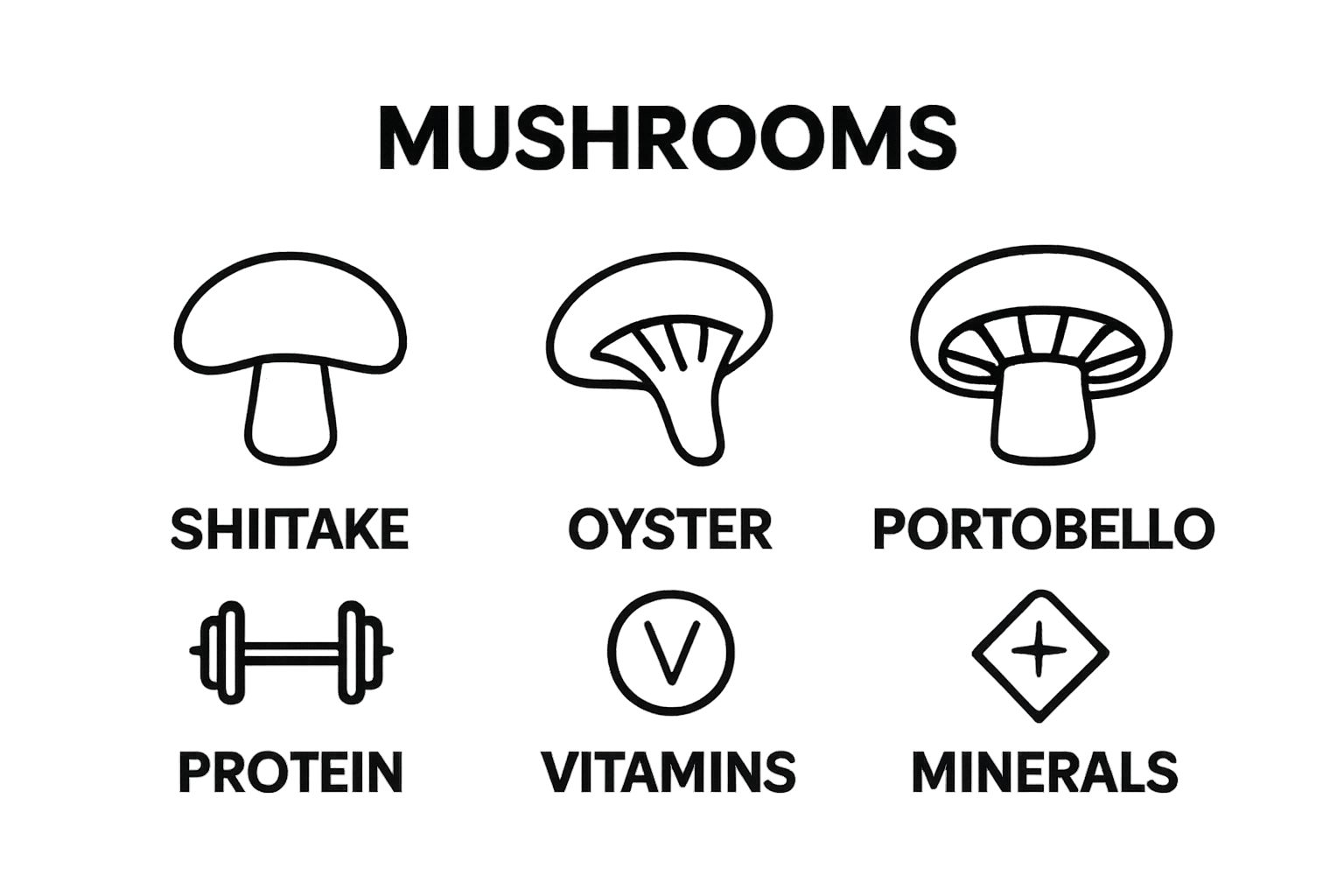
- Shiitake Mushrooms: High in B vitamins, copper, and selenium
- Oyster Mushrooms: Excellent source of protein and antioxidants
- Portobello Mushrooms: Rich in potassium and phosphorus
- Lion’s Mane: Notable for potential cognitive health support
- Reishi: Concentrated with immune-modulating compounds
Functional Nutrition and Health Implications
Beyond basic nutrition, edible mushrooms contain bioactive compounds that offer therapeutic potential. Their complex molecular structures provide benefits extending well beyond traditional nutritional metrics. Mushrooms like cordyceps and chaga are renowned for supporting metabolic functions, enhancing cellular energy production, and potentially mitigating oxidative stress.
The micronutrient density of mushrooms makes them exceptional dietary ingredients. Their low caloric content combined with high nutrient bioavailability positions them as strategic nutritional interventions. Some mushroom varieties demonstrate remarkable adaptogenic properties, helping the body manage stress and maintain physiological balance. Their intricate phytochemical compositions make them more than mere food but potent natural wellness tools capable of supporting comprehensive human health.
Common Varieties of Edible Mushrooms and Their Uses
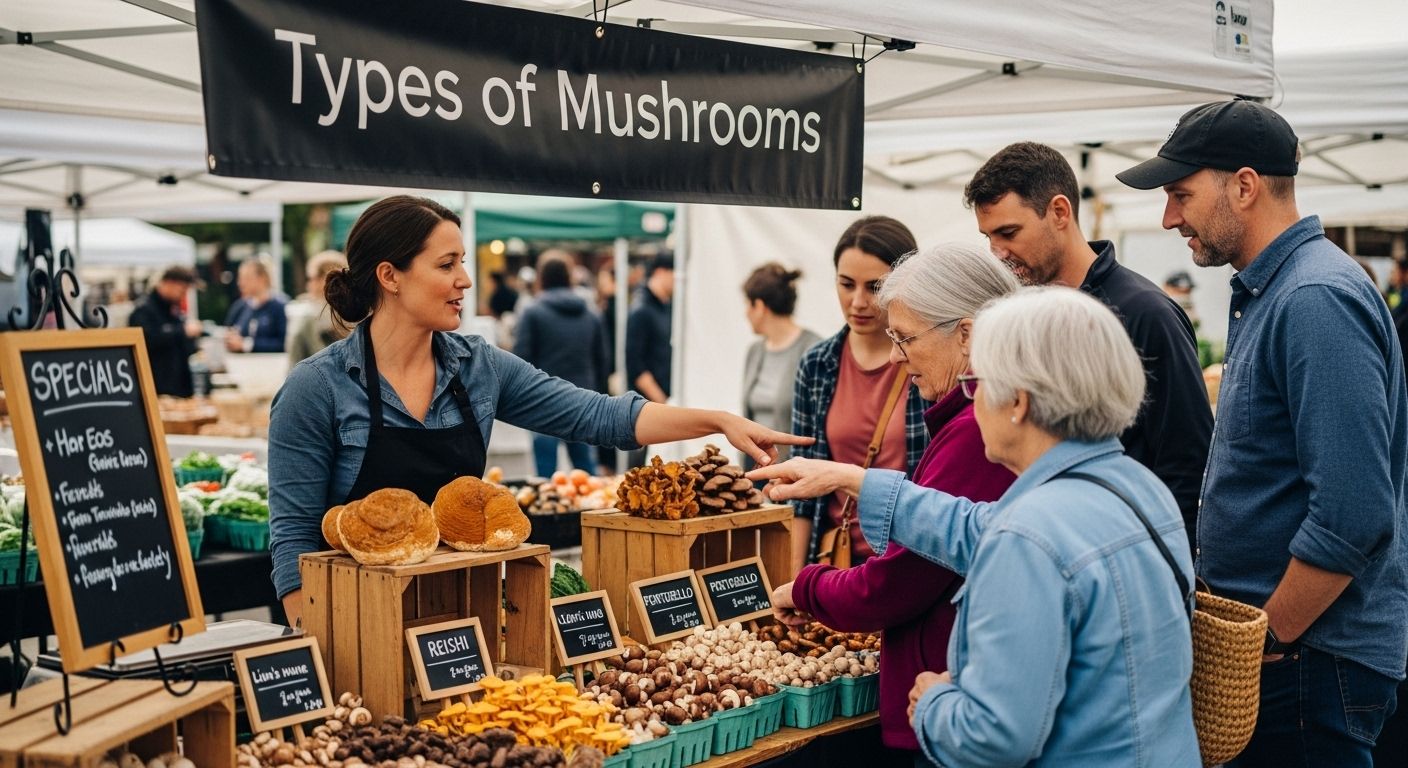
The world of edible mushrooms is remarkably diverse, offering a wide range of flavors, textures, and health benefits. Discover the nuances of mushroom wellness to explore their intricate potential for human health. Understanding the unique characteristics of different mushroom varieties can transform how we approach nutrition and wellness.
The following table helps clarify critical differences between culinary and medicinal mushroom categories as described in the content.
| Category | Example Varieties | Primary Use | Typical Benefits |
|---|---|---|---|
| Culinary Mushrooms | White Button, Shiitake, Oyster, Portobello | Cooking, meals, flavor | Taste, nutrition, texture |
| Medicinal Mushrooms | Reishi, Lion’s Mane, Chaga, Cordyceps | Supplements, wellness routines | Immunity, focus, stress support |
Culinary and Medicinal Mushroom Spectrum
According to research from the National Institutes of Health, over 2,000 mushroom varieties are edible, each with distinctive properties. The most commercially significant mushrooms can be categorized based on their primary uses:
-
Culinary Mushrooms:
- White Button Mushrooms (mild, versatile)
- Shiitake (rich, umami flavor)
- Oyster Mushrooms (delicate texture)
- Portobello (meaty, robust)
-
Medicinal Mushrooms:
- Reishi (immune support)
- Lion’s Mane (cognitive health)
- Chaga (antioxidant properties)
- Cordyceps (energy enhancement)
Global Cultivation and Cultural Significance
Mushroom varieties reflect complex ecological and cultural interactions. While some mushrooms like Agaricus bisporus dominate global production, others hold profound traditional significance in specific regions. For instance, shiitake mushrooms have been central to East Asian cuisine and medicine for centuries, representing more than just a food item but a holistic wellness approach.
The cultivation and consumption of mushrooms extend beyond nutritional needs. They represent intricate ecosystems, sustainable agricultural practices, and profound connections between human health and natural biodiversity. From gourmet restaurants to traditional medicine practices, mushrooms continue to demonstrate their remarkable versatility and potential for supporting human wellness.
How Edible Mushrooms Contribute to Wellness and Health
Edible mushrooms represent more than just nutritional ingredients. They are complex biological systems capable of delivering profound wellness benefits through their intricate molecular compositions. Explore comprehensive mushroom wellness strategies to understand their transformative potential for human health.
Immunological and Metabolic Support
According to research from the journal Nutrients, edible mushrooms provide remarkable immunological and metabolic support through unique bioactive compounds. Their complex biochemical profiles offer multiple health advantages:
-
Immune System Enhancement:
- Stimulation of immune cell production
- Activation of natural killer cells
- Reduction of inflammatory responses
- Modulation of immune system sensitivity
-
Metabolic Health Benefits:
- Cholesterol level regulation
- Blood sugar management
- Improved cellular metabolism
- Enhanced mitochondrial function
Neurological and Psychological Wellness
Beyond physical health, edible mushrooms demonstrate significant potential for neurological and psychological wellness. Certain mushroom varieties like lion’s mane and reishi contain compounds that support cognitive function, potentially mitigating neurodegenerative processes. These fungi interact with neural pathways, promoting neuroplasticity and potentially supporting mental health management.
The holistic wellness potential of edible mushrooms extends into psychological domains. Their adaptogenic properties help modulate stress responses, potentially offering natural approaches to managing anxiety and supporting emotional equilibrium. By interacting with complex neurochemical systems, mushrooms represent a sophisticated botanical approach to comprehensive human wellness.
Key Considerations When Choosing Edible Mushrooms
Selecting the right edible mushrooms requires thoughtful evaluation of multiple factors beyond simple aesthetic appeal. Discover smart mushroom selection strategies to ensure optimal wellness and safety in your mushroom consumption.
Quality and Source Evaluation
According to comprehensive research in the medical journal Foods, choosing high-quality edible mushrooms involves several critical considerations:
-
Source Verification:
- Reputable cultivators
- Organic growing practices
- Controlled environmental conditions
- Third-party quality certifications
-
Freshness and Storage Indicators:
- Firm, unblemished texture
- Consistent color
- Absence of moisture or sliminess
- Proper refrigeration requirements
Safety and Nutritional Assessment
Not all mushrooms are created equal. Understanding potential risks and nutritional variations is paramount. Some mushrooms contain compounds that might interact with medications or trigger allergic responses. Individuals with specific health conditions should consult healthcare professionals before incorporating new mushroom varieties into their diet.
The nutritional profile of mushrooms can vary dramatically based on growing conditions, species, and harvesting techniques. Factors like soil composition, ambient temperature, and humidity significantly influence the concentration of bioactive compounds. Consumers should prioritize mushrooms from verified sources that provide transparent information about cultivation methods and potential health interactions.
This table outlines key considerations for evaluating quality, freshness, and safety when selecting edible mushrooms, consolidating the most important assessment criteria from the article.
| Factor | What to Look For | Why It Matters |
|---|---|---|
| Source Verification | Reputable cultivator, organic methods | Ensures safety and nutrition |
| Environmental Controls | Controlled conditions, certifications | Higher quality and purity |
| Freshness Indicators | Firm texture, consistent color | Maintains nutrient density |
| Storage Requirements | Proper refrigeration, no sliminess | Extends shelf life and safety |
| Health Interactions | Allergy and medication awareness | Prevents adverse health effects |
Ready to Experience the Power of Edible Mushrooms?
Exploring the incredible diversity of edible mushrooms can be overwhelming, especially when you want both convenience and true wellness benefits. After reading this article, you might wonder how to actually bring these functional mushrooms into your everyday life without the guesswork about quality, dosage, or preparation. Whether your goal is to support immunity, enhance focus, or simply enjoy the benefits of nature’s most fascinating fungi, it helps to have trusted solutions designed for your needs. See all our featured mushroom wellness options and take the next step in your natural health journey.
Why wait to upgrade your mind and body with real mushroom power? Visit WUNDER GUMMIES to discover tasty mushroom gummies and grow kits created for people who want wellness, convenience, and proven results. Select the product that fits your goals, or dive into our Uncategorized Archives to keep learning. Now is the perfect time to let edible mushrooms transform the way you feel every day.
Frequently Asked Questions
What are the main types of edible mushrooms?
Edible mushrooms can be broadly categorized into culinary and medicinal varieties. Culinary mushrooms include white button, shiitake, oyster, and portobello, while medicinal varieties include reishi, lion’s mane, chaga, and cordyceps.
How do nutritional profiles differ among various edible mushrooms?
Different types of edible mushrooms offer unique nutritional benefits. For instance, shiitake mushrooms are rich in B vitamins, while oyster mushrooms provide excellent protein and antioxidants. Portobello mushrooms are high in potassium, whereas lion’s mane is known for its potential cognitive benefits.
What health benefits do edible mushrooms provide?
Edible mushrooms offer several health benefits, including immune system enhancement, metabolic support, and mental wellness. Certain varieties can help regulate cholesterol, manage blood sugar levels, and promote cognitive function.
How should I select high-quality edible mushrooms?
When selecting edible mushrooms, prioritize freshness and source verification. Look for firm, unblemished mushrooms with consistent color. Ensure they are sourced from reputable cultivators practicing organic growing methods to maximize safety and nutritional value.
Recommended
- 7 Mushrooms for Mood Enhancement You Need to Try
- Understanding the Role of Mushrooms in Gut Health
- Understanding Functional Mushroom Terminology for Wellness
- What is Mushroom Bioavailability? A Comprehensive Guide
