
Uncategorized
Understanding Functional Mushroom Terminology for Wellness

Aug
Functional mushrooms are making waves for their powerful health benefits that go way beyond your typical nutrition facts. Think your usual button mushrooms do it all? Not even close. Studies show functional varieties like Lion’s Mane and Reishi contain high concentrations of beta-glucans, triterpenes, and phenolic compounds that can actually support your immune system, sharpen your mind, and help fight stress. Most people mix up these terms or miss out on their benefits altogether. That’s where understanding the real science and terminology changes everything.
Table of Contents
- What Are Functional Mushrooms And Their Terminology?
- Why Functional Mushroom Terminology Matters In Wellness
- How Functional Mushrooms Work: Key Compounds Explained
- Key Concepts In Functional Mushroom Uses And Benefits
Quick Summary
| Takeaway | Explanation |
|---|---|
| Functional mushrooms offer health benefits beyond nutrition | These mushrooms contain bioactive compounds that may enhance immune function, cognitive performance, and metabolic health. |
| Understanding mushroom classifications is essential | Knowing terms like adaptogenic and nootropic helps consumers recognize specific health benefits associated with different mushrooms. |
| Bioactive compounds drive wellness benefits | Key components like beta-glucans and triterpenes interact with the body to support immune function and reduce inflammation. |
| Different mushrooms target various health goals | Functional mushrooms like Lion’s Mane and Reishi provide specific support for cognition and stress management, respectively. |
The following table provides a comparison of some of the most mentioned functional mushrooms, their primary bioactive compounds, and their main health benefits, offering a quick overview for readers deciding which type might fit their needs best.
| Mushroom | Notable Compound(s) | Main Health Benefit |
|---|---|---|
| Lion’s Mane | Beta-glucans | Cognitive support, memory |
| Reishi | Triterpenes | Stress reduction, relaxation |
| Chaga | Phenolic compounds | Antioxidant support |
| Cordyceps | Sterols, Polysaccharides | Athletic performance, stamina |
| Shiitake | Beta-glucans | Immune support |
|
| Clear terminology helps avoid misconceptions | Accurate language distinguishes between types of mushrooms and their utility, aiding consumers in making informed health choices. |
What are Functional Mushrooms and Their Terminology?
Functional mushrooms represent a specialized category of edible fungi distinguished by their exceptional health-promoting properties beyond basic nutritional value. These remarkable organisms contain potent bioactive compounds that offer targeted physiological benefits, setting them apart from traditional culinary mushrooms.
Understanding Functional Mushroom Classification
Functional mushrooms are scientifically categorized based on their unique molecular compositions and therapeutic potentials. According to research published in PubMed, these mushrooms are characterized by high concentrations of specific compounds like:
- Beta-glucans
- Triterpenes
- Phenolic compounds
- Sterols
These bioactive elements contribute to their classification as “functional foods” with potential medical and wellness applications. Unlike standard dietary mushrooms, functional mushrooms are specifically studied for their potential to support immune function, cognitive performance, and overall metabolic health.
Key Terminology in Functional Mushroom Science
Navigating the world of functional mushrooms requires understanding several critical terminologies. Adaptogenic describes mushrooms that help the body resist physical and emotional stress. Nootropic refers to mushrooms supporting cognitive functions like memory and mental clarity. Immunomodulatory indicates the ability to regulate and optimize immune system responses.
Examples of prominent functional mushrooms include Lion’s Mane (known for potential neurological benefits), Reishi (associated with stress reduction), and Chaga (recognized for antioxidant properties). Each mushroom offers a unique profile of potential health advantages, making them valuable additions to wellness strategies.
To help readers differentiate between the main functional mushroom terms discussed, here is a table summarizing the key terminology and their definitions as featured in the article.
| Term | Definition | Example Mushroom |
|---|---|---|
| Adaptogenic | Supports the body’s ability to resist physical and emotional stress | Reishi |
| Nootropic | Enhances cognitive functions, including memory and mental clarity | Lion’s Mane |
| Immunomodulatory | Regulates and optimizes immune system responses | Chaga |
| Antioxidant | Protects cells from oxidative damage caused by free radicals | Chaga |
| Anti-inflammatory | Reduces or prevents inflammation in the body | Reishi, Cordyceps |
By integrating functional mushrooms into dietary practices, individuals can potentially access natural compounds that support holistic health optimization. Scientific interest continues to grow, with ongoing research exploring the comprehensive potential of these extraordinary fungi.
Why Functional Mushroom Terminology Matters in Wellness
Understanding functional mushroom terminology is crucial for making informed wellness decisions. These precise scientific terms help consumers navigate the complex landscape of mushroom-based health supplements, ensuring proper comprehension of potential benefits and applications.
Clarity in Health Communication
Precise terminology bridges the gap between scientific research and consumer understanding. According to research from the National Institutes of Health, accurate classification helps individuals differentiate between various mushroom types and their specific health properties. Misunderstandings can lead to incorrect usage or unrealistic expectations about potential health outcomes.
Key aspects of terminology clarity include:
- Distinguishing between culinary, medicinal, and functional mushroom categories
- Understanding specific health-related classifications
- Recognizing scientifically validated properties versus marketing claims
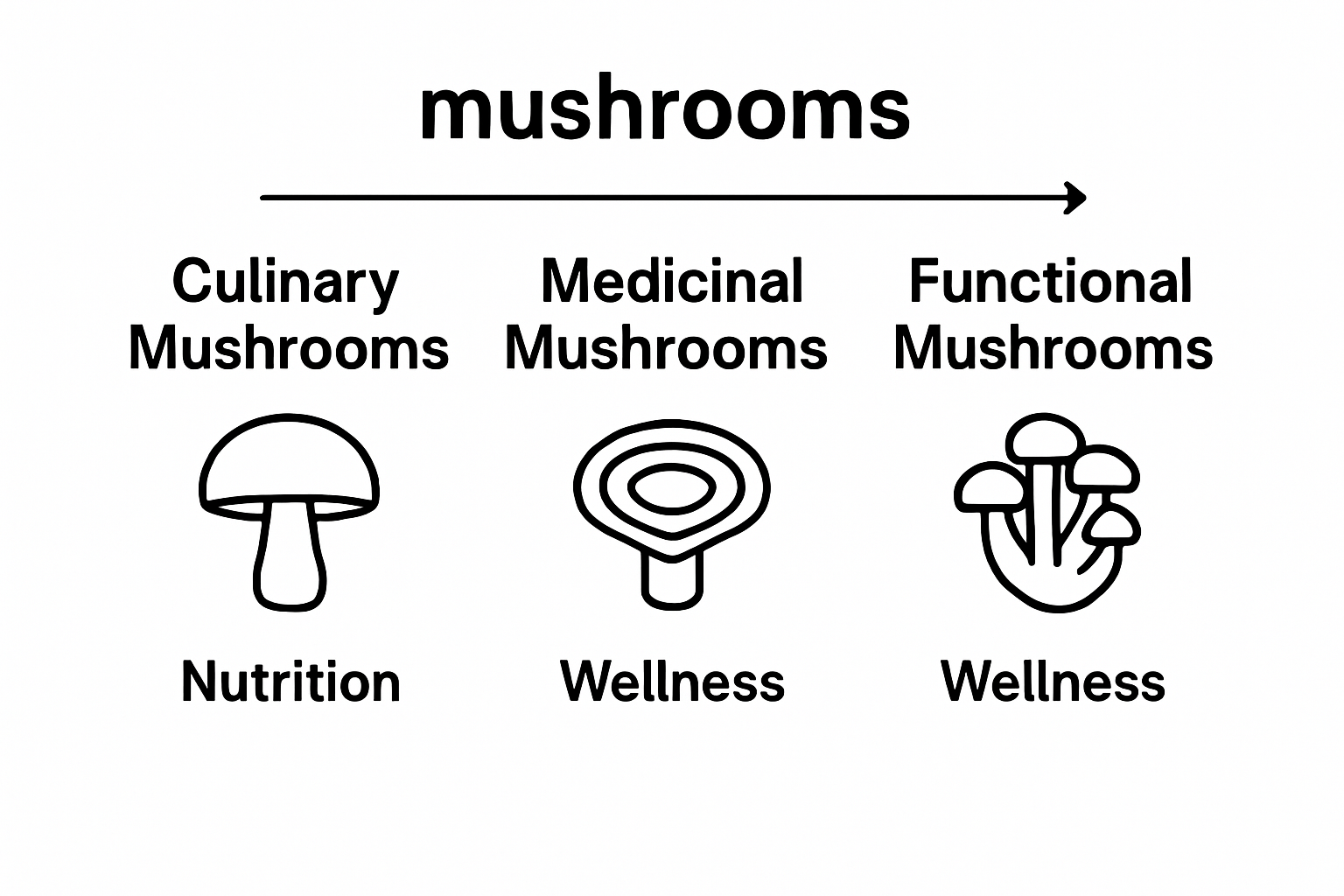
The Impact of Precise Terminology on Wellness Choices
Functional mushroom terminology provides critical insights into potential health benefits. Specific terms like adaptogenic, nootropic, and immunomodulatory offer precise descriptions of how different mushrooms interact with human physiological systems. For example, knowing that Lion’s Mane is classified as a nootropic helps consumers understand its potential cognitive support properties.
Consumers can make more informed decisions by understanding these nuanced terms. Explore our guide on nootropic mushroom blends to learn more about how specific mushroom classifications translate into potential wellness benefits.
Professional researchers, healthcare practitioners, and wellness enthusiasts rely on precise terminology to communicate complex scientific concepts effectively. By maintaining a standardized language, the functional mushroom community ensures credible, transparent information exchange about these remarkable natural compounds.
How Functional Mushrooms Work: Key Compounds Explained
Functional mushrooms operate through complex biochemical interactions, utilizing specialized compounds that interact with human physiological systems in sophisticated ways. These remarkable organisms contain bioactive molecules that can trigger specific wellness responses within the body.
Molecular Mechanisms of Action
According to research from the National Institutes of Health, functional mushrooms contain multiple critical compounds that drive their therapeutic potential. Beta-glucans, polysaccharides found in these mushrooms, play a fundamental role in modulating immune system responses and supporting overall cellular health.
Key molecular interaction mechanisms include:
- Immune system activation and regulation
- Cellular inflammation reduction
- Antioxidant defense enhancement
- Neurological pathway modulation
Primary Bioactive Compounds in Functional Mushrooms
Functional mushrooms contain several important molecular groups that contribute to their wellness properties. Terpenoids, for instance, demonstrate potent anti-inflammatory characteristics, while ergothioneine functions as a powerful antioxidant protecting cellular structures from oxidative stress.
Explore our advanced nootropic mushroom blends to experience these remarkable compounds in action. Different mushroom species offer unique molecular profiles, with compounds like lion’s mane beta-glucans potentially supporting cognitive function, and reishi triterpenes potentially helping stress management.
The intricate biochemical landscape of functional mushrooms represents a fascinating intersection of nutrition, biology, and wellness. Their molecular complexity allows for nuanced interactions with human physiological systems, offering potential supportive benefits through natural, scientifically intriguing mechanisms.

Key Concepts in Functional Mushroom Uses and Benefits
Functional mushrooms represent a sophisticated approach to holistic wellness, offering targeted support for various physiological systems through their complex biochemical properties. These remarkable natural compounds provide multifaceted benefits that extend far beyond traditional nutritional supplementation.
Fundamental Health Support Mechanisms
According to research from the International Journal of Molecular Sciences, functional mushrooms deliver comprehensive wellness support through several key mechanisms. Immunomodulation emerges as a critical concept, describing how these mushrooms can help balance and optimize immune system responses.
Primary health support mechanisms include:
- Enhancing cellular resilience
- Supporting metabolic efficiency
- Promoting neurological health
- Regulating stress response systems
Targeted Wellness Applications
Different functional mushroom species offer specialized benefits tailored to specific wellness goals. Cognitive support represents one prominent application, with certain mushrooms demonstrating potential for neurological protection and mental clarity. Discover our targeted nootropic mushroom blends designed to support mental performance.
Functional mushrooms excel in providing nuanced, holistic wellness support. Lion’s Mane might target cognitive function, while Reishi could offer stress management benefits. Cordyceps potentially supports athletic performance, and Chaga might provide robust antioxidant protection. Each mushroom presents a unique profile of potential physiological interactions, making them powerful tools in natural wellness strategies.
Bring Functional Mushroom Benefits to Life With Everyday Wellness
Are you overwhelmed by confusing terminology on your wellness journey? This article explained how functional mushroom terms like adaptogenic, nootropic, and immunomodulatory are more than just scientific words. They are your guide to choosing natural products that support creativity, focus, relaxation, and overall mood. Too often, complicated language makes it hard to know which mushroom products actually fit your needs or if the benefits will work for your lifestyle.

Why not take the guesswork out of wellness and put knowledge into action? At Wunder Mushroom Gummies, you will find real solutions inspired by the same scientific principles covered in this article. Browse our mushroom-infused gummies crafted for boosted creativity and calm. Every product uses potent natural ingredients and clear, trusted science so you can shop with confidence. Visit Wunder Mushroom Gummies today and experience the wellness power you have just read about for yourself.
Frequently Asked Questions
What are functional mushrooms?
Functional mushrooms are a category of edible fungi noted for their health-promoting properties that extend beyond basic nutrition. They contain bioactive compounds that may support immune function, cognitive performance, and overall metabolic health.
How do I incorporate functional mushrooms into my diet?
Functional mushrooms can be added to your diet in various forms such as powders, capsules, teas, or gummies. You can mix them into smoothies, soups, or coffee, or consume them as supplements to target specific health benefits.
What are the key compounds in functional mushrooms?
Functional mushrooms are rich in compounds like beta-glucans, triterpenes, and phenolic compounds. These bioactive elements are known for their immunomodulatory, anti-inflammatory, and antioxidant properties.
How do functional mushrooms support cognitive health?
Certain functional mushrooms, like Lion’s Mane, are classified as nootropics, which means they may enhance cognitive functions such as memory, focus, and mental clarity through their unique molecular mechanisms.
Recommended
- WUNDER MUSHROOM GUMMIES – THE OFFICIAL WEBSITE
- WUNDER ENTHEOGENIC NOOTROPIC BLEND MUSHROOM GUMMIES SOUR APPLE 7.5G
- WUNDER ENTHEOGENIC NOOTROPIC BLEND MUSHROOM GUMMIES GRAPE 7.5G
- WUNDER ENTHEOGENIC NOOTROPIC BLEND MUSHROOM GUMMIES STRAWNANA 12G
Article generated by BabyLoveGrowth
