
Uncategorized
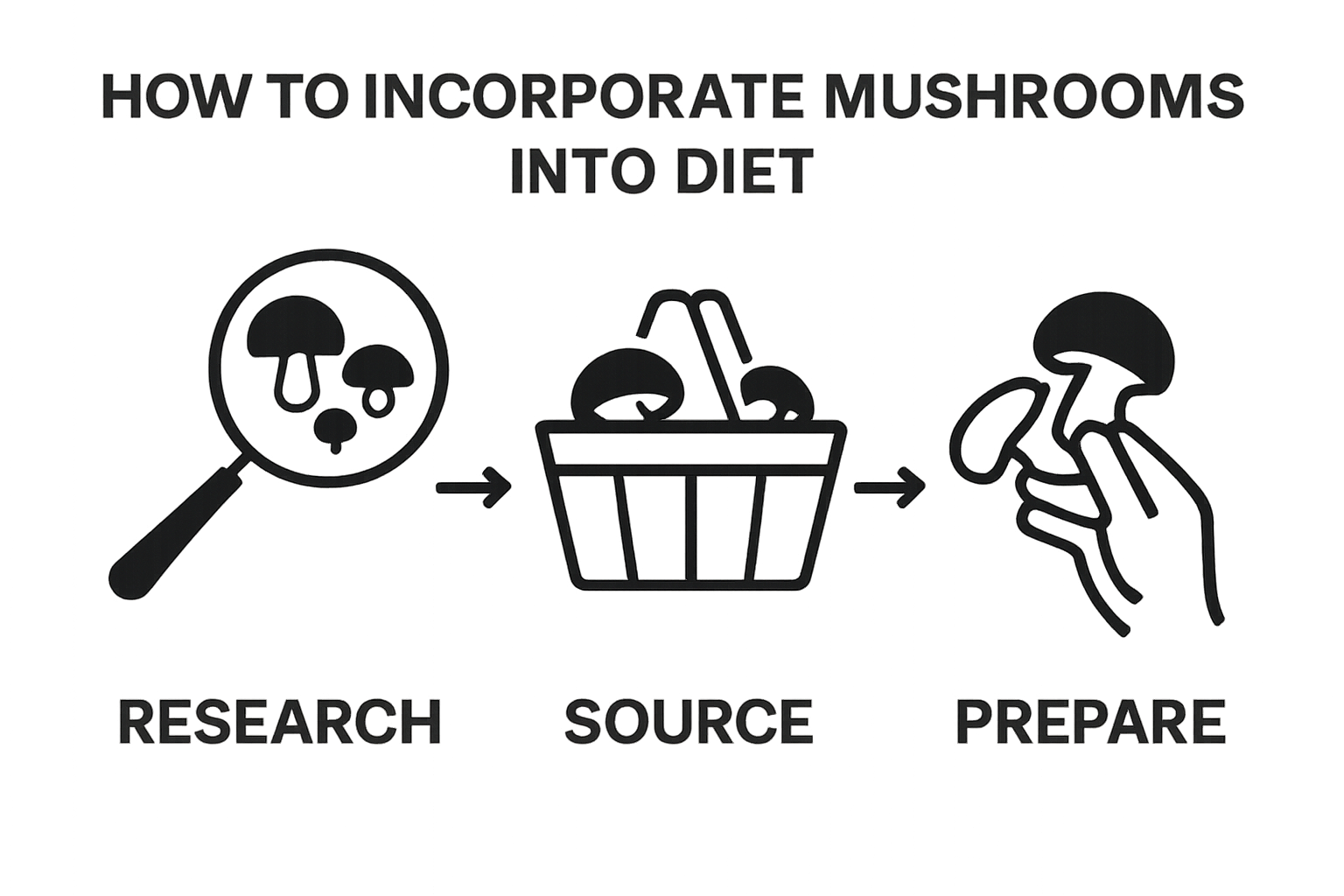
How to Incorporate Mushrooms into Diet for Health Benefits
Sep
Mushrooms are showing up everywhere, from gourmet kitchens to wellness blogs. They are not just for pizza toppings anymore and some varieties pack more nutritional punch than you might expect. In fact, shiitake mushrooms contain compounds that may help lower cholesterol and Lion’s Mane is being studied for brain health support. Most people just toss a few button mushrooms into a pan and call it a day but that barely scratches the surface. The real surprise is how much your daily routine and health can change once you start using the right types of mushrooms in the right ways.
Table of Contents
- Step 1: Research Mushroom Varieties And Benefits
- Step 2: Source Fresh Or Dried Mushrooms
- Step 3: Prepare Mushrooms For Cooking
- Step 4: Integrate Mushrooms Into Favorite Recipes
- Step 5: Monitor Health Changes And Adjust Intake
Quick Summary
| Key Point | Explanation |
|---|---|
| 1. Research mushroom varieties thoroughly | Explore different mushrooms like Reishi, Shiitake, and Lion’s Mane for their unique health benefits. |
| 2. Source quality mushrooms for health benefits | Choose fresh or dried mushrooms, ensuring they are firm and free from blemishes, to retain nutrition and flavor. |
| 3. Prepare mushrooms properly for cooking | Clean using a brush and cut appropriately to maximize flavor and nutritional value before cooking. |
| 4. Integrate mushrooms into existing recipes | Add mushrooms to dishes like pastas and stir-fries to enhance flavor and nutritional content without overpowering tastes. |
| 5. Monitor personal health changes with mushrooms | Keep a wellness journal and track physical and emotional health changes to determine mushrooms’ effect on your body. |
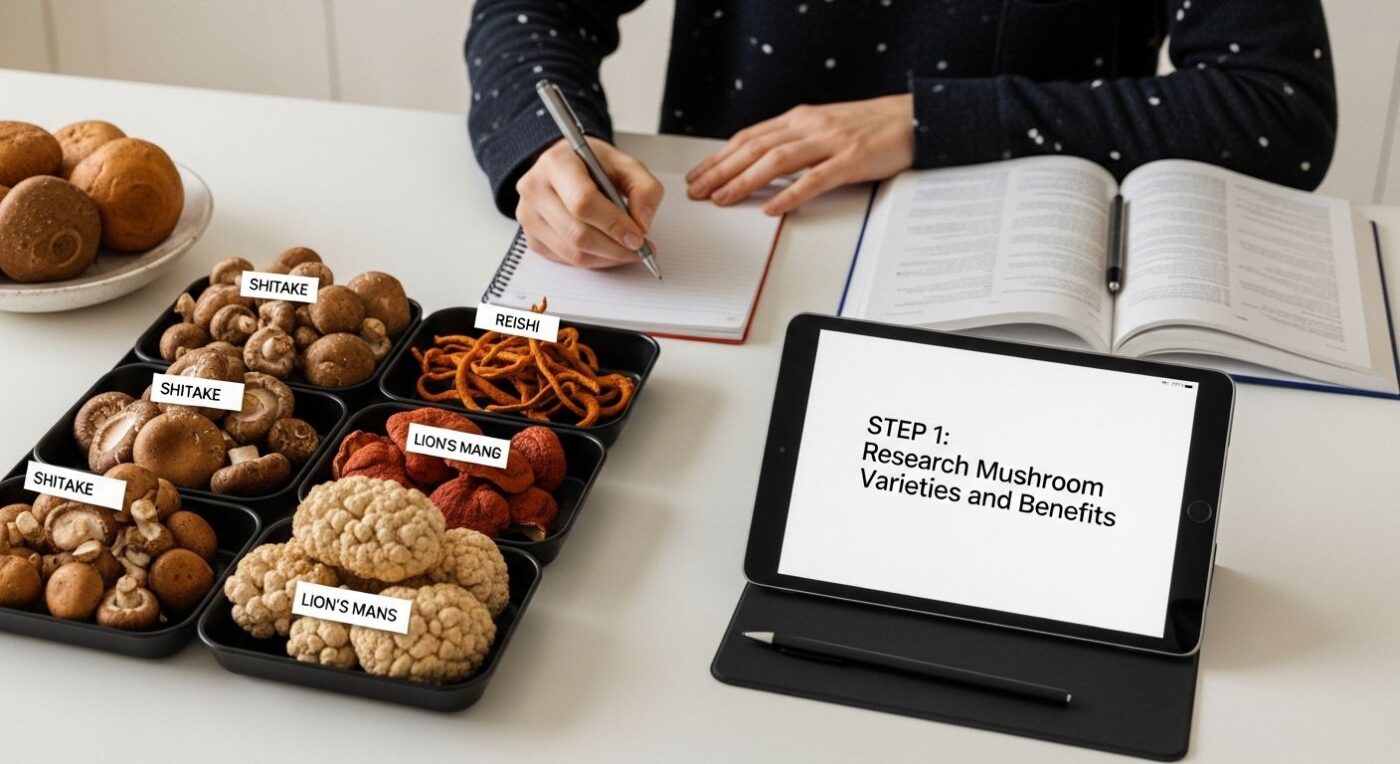
Step 1: Research Mushroom Varieties and Benefits
Understanding the world of mushrooms is your first crucial step toward incorporating these powerful superfoods into your diet. Not all mushrooms are created equal, and each variety offers unique health benefits that can transform your wellness approach. The key is to move beyond basic white button mushrooms and explore the rich diversity of functional and medicinal mushrooms available.
Identifying Key Mushroom Varieties
Your research should focus on mushrooms renowned for their exceptional health properties. Reishi mushrooms, for instance, are celebrated for their potential immune-boosting and stress-reducing capabilities. Shiitake mushrooms provide robust cardiovascular support and contain compounds that may help lower cholesterol. Lion’s Mane stands out for potential cognitive benefits, with research suggesting it could support brain health and nerve regeneration.
To begin your mushroom exploration, consult reputable scientific sources. Research from Harvard T.H. Chan School of Public Health highlights the impressive nutritional profile of various mushroom types. Their low-calorie nature combined with high micronutrient content makes them an excellent addition to any diet.
Practical Research Strategies
Start by creating a comprehensive understanding of different mushroom types. Consider consulting our detailed guide on understanding edible mushrooms to deepen your knowledge. Your research should include:
- Potential health benefits of each mushroom variety
- Recommended daily consumption amounts
- Potential interactions with existing medications
- Optimal preparation methods
Successful mushroom research involves looking beyond surface-level information. Dive into scientific publications, consult nutritionists, and consider attending workshops or webinars focused on functional mushrooms. Remember that individual responses to mushrooms can vary, so what works wonderfully for one person might differ for another.
By the end of this research phase, you should have a clear understanding of which mushroom varieties align with your specific health goals and dietary preferences.
Here is a table summarizing the main mushroom varieties covered, their key health benefits, and best uses in recipes.
| Mushroom Variety | Main Health Benefit | Best Use in Cooking |
|---|---|---|
| Reishi | Immune support, stress reduction | Teas, broths, tinctures |
| Shiitake | Cardiovascular health, may lower cholesterol | Stir-fries, soups, sauces |
| Lion’s Mane | Cognitive & nerve support | Sautés, pasta, mock seafood dishes |
| Oyster | Antioxidant content, supports heart health | Light cream sauces, stir-fries |
| Portobello | Low calorie, nutrient-dense | Grilling, burgers, steaks |
| Button | Basic nutrients, low in calories | Sautés, salads, eggs |
| Enoki | Supports immune health, rich in antioxidants | Soups, cold salads |
| This foundational knowledge will empower you to make informed decisions about integrating mushrooms into your nutrition plan. |
Step 2: Source Fresh or Dried Mushrooms
After researching mushroom varieties, the next critical step is sourcing high-quality mushrooms that will maximize your health benefits. Selecting the right mushrooms is more nuanced than simply grabbing the first package you see at the grocery store. Your goal is to find fresh, potent mushrooms that retain their nutritional integrity and flavor.
Identifying Quality Mushroom Sources
Local farmers markets, specialty grocery stores, and health food stores often provide the freshest mushroom selections. When evaluating mushrooms, look for specimens that are firm, dry, and free from dark spots or excessive moisture. Fresh mushrooms should have a clean, earthy scent without any signs of decay or unusual odors. Some specialty shops even offer exotic varieties like Lion’s Mane or Reishi that might not be available in standard supermarkets.
Learn more about selecting premium mushroom varieties to ensure you’re making the most informed choices. Dried mushrooms present another excellent option, especially for long-term storage and convenience. Research from the University of Massachusetts Amherst recommends choosing dried mushrooms that are uniform in color and free from dust or discoloration.
When purchasing dried mushrooms, consider these critical storage strategies:
- Store in airtight containers away from direct sunlight
- Keep in cool, dark environments
- Use within 6-12 months for optimal flavor and nutritional potency
- Inspect for any signs of moisture or mold before use
For those seeking maximum convenience, online specialty retailers and health food websites offer curated mushroom selections. These platforms often provide detailed information about sourcing, growing conditions, and potential health benefits. Some even offer subscription services that deliver fresh or dried mushrooms directly to your doorstep.
Remember that organic certification can be an important indicator of mushroom quality. Organically grown mushrooms are cultivated without synthetic pesticides or chemicals, potentially offering a purer nutritional profile. By the end of this sourcing process, you should have a selection of high-quality mushrooms that align with your research and health goals, setting the stage for successful dietary integration.
Step 3: Prepare Mushrooms for Cooking
Preparing mushrooms for cooking is an art that requires attention to detail and understanding of different mushroom varieties. The key to unlocking their maximum flavor and nutritional potential lies in proper cleaning, cutting, and initial preparation techniques. Each type of mushroom demands a slightly different approach, making this step crucial for your culinary success.
Cleaning and Initial Processing
First, resist the temptation to wash mushrooms under running water, as they act like sponges and can become waterlogged. Instead, use a soft brush or slightly damp paper towel to gently remove any dirt or debris. For mushrooms with delicate surfaces like shiitake or oyster varieties, a light brushing works best. Firmer mushrooms like portobello can withstand more thorough cleaning.
Learn about mushroom preparation techniques to maximize their nutritional benefits. According to research from Harvard T.H. Chan School of Public Health, cooking is essential for making mushroom nutrients more bioavailable and ensuring food safety.
Cutting techniques vary depending on your recipe and mushroom type. Larger mushrooms like portobellos can be sliced into steaks or chopped into chunks, while delicate varieties like enoki are best left whole or lightly separated. A sharp, clean knife is your best tool for precise cutting. For medicinal mushrooms like reishi, which are typically too tough to eat whole, consider creating thin slices or using them in teas and broths.
Prepare your workspace with these essential tools:
- Sharp chef’s knife
- Clean cutting board
- Soft brush or damp paper towel
- Colander (for final rinse if necessary)
- Kitchen towels for drying
Dried mushrooms require a different approach. Rehydrate them by soaking in warm water for 20-30 minutes, then strain and pat dry. The soaking liquid can be a flavorful addition to stocks or sauces, capturing the concentrated mushroom essence. For varieties like shiitake or porcini, this rehydration process intensifies their umami flavor profile.
By the end of this preparation phase, you should have clean, perfectly cut mushrooms ready for cooking.
The following table outlines essential tools and materials you need for effective mushroom preparation, along with their purposes and tips for use.
| Tool/Material | Purpose | Usage Tip |
|---|---|---|
| Soft brush / Paper towel | Clean dirt without waterlogging mushrooms | Wipe gently; don’t soak |
| Sharp chef’s knife | Slice or chop mushrooms precisely | Keep blade sharp for clean cuts |
| Cutting board | Provide a clean, stable surface for cutting | Use a dedicated board if possible |
| Colander | Drain rehydrated or rinsed mushrooms | Shake off excess water |
| Kitchen towels | Pat mushrooms dry after cleaning or soaking | Use clean, dry towels |
| Bowl (for soaking) | Rehydrate dried mushrooms | Use warm water, 20–30 minutes |
| Your attention to detail will ensure that each mushroom retains its unique texture, flavor, and nutritional benefits, setting the stage for delicious and health-promoting meals. |
Step 4: Integrate Mushrooms into Favorite Recipes
Transforming your existing recipes to include mushrooms is an exciting culinary adventure that amplifies both flavor and nutritional value. The secret is understanding how different mushroom varieties can seamlessly enhance your favorite dishes without overwhelming their fundamental taste profile. This step is about strategic integration that feels natural and delicious.
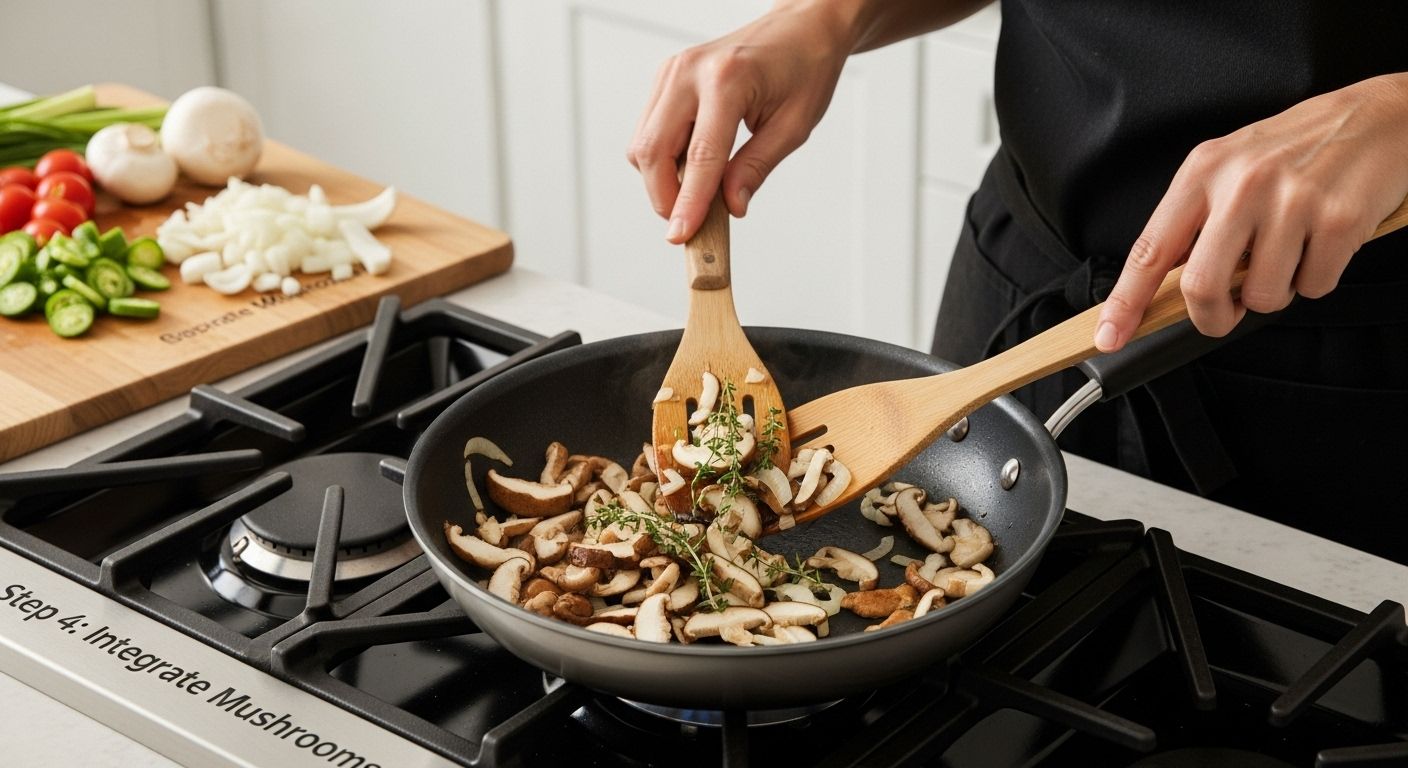
Mushrooms are remarkably versatile ingredients that can replace or complement meat, add depth to vegetarian dishes, and boost the nutritional density of meals. Explore creative ways to incorporate different mushroom varieties to maximize your culinary potential. According to Harvard T.H. Chan School of Public Health, mushrooms can be integrated into numerous dishes like omelets, stir-fries, pasta sauces, and grain bowls while providing essential nutrients with minimal caloric impact.
Start by identifying your go-to recipes that could benefit from a mushroom upgrade. Hearty dishes like risottos, pasta sauces, and stews are perfect starting points. Shiitake mushrooms offer a robust, meaty flavor ideal for replacing ground beef in tacos or bolognese. Delicate oyster mushrooms work beautifully in light cream sauces or as a garnish for elegant dishes. Portobello mushrooms make exceptional meat substitutes in burgers or as standalone grilled entrees.
Consider these strategic integration techniques:
- Chop mushrooms finely to distribute flavor evenly
- Layer different mushroom varieties for complex taste profiles
- Experiment with both raw and cooked preparations
- Use dried mushroom powders for concentrated nutrition
- Match mushroom intensity to your dish’s overall flavor
For those new to mushroom cooking, begin with familiar preparations. Add chopped button mushrooms to scrambled eggs, slice shiitake into stir-fries, or create a rich mushroom soup using a blend of varieties. Experiment gradually, allowing your palate to adjust and discover new flavor combinations. Some mushrooms like lion’s mane have delicate, almost seafood-like textures that can surprise and delight even experienced home cooks.
By the end of this integration process, you should feel confident introducing mushrooms into multiple meal types, understanding how their unique characteristics can elevate your cooking. Your dishes will not only taste more complex but also provide enhanced nutritional benefits, transforming everyday meals into powerful wellness opportunities.
Step 5: Monitor Health Changes and Adjust Intake
Incorporating mushrooms into your diet is not a one-size-fits-all journey. Systematic observation and personalized adjustment are crucial to understanding how these powerful fungi interact with your unique physiology. This final step transforms your mushroom integration from a generic dietary change to a tailored wellness strategy.
Establishing a baseline before starting your mushroom consumption provides the most accurate measurement of potential health improvements. Consider scheduling a comprehensive health checkup that includes blood work, tracking metrics like inflammation markers, cholesterol levels, and overall immune function. Discover how different mushroom varieties impact your wellness journey to better understand potential variations in individual responses.
According to clinical research, systematic tracking can reveal significant health transformations. Keep a detailed wellness journal documenting not just physical changes, but also subtle shifts in energy levels, cognitive function, and emotional well-being. Pay attention to both quantitative measurements and qualitative experiences. Some individuals might notice improved digestion, while others experience enhanced mental clarity or reduced stress levels.
Track your progress using these strategic monitoring techniques:
- Record daily mushroom intake and variety
- Note any changes in energy, mood, and physical performance
- Schedule quarterly health assessments
- Photograph physical changes if relevant
- Log any side effects or unusual symptoms
Recognize that mushroom benefits manifest differently for everyone. Some people might experience rapid improvements, while others require months of consistent consumption. Be patient and attentive. If you’re not seeing desired results, consider consulting a nutritionist or healthcare professional who can provide personalized guidance. They might recommend adjusting mushroom types, preparation methods, or daily quantities based on your specific health profile.
Additionally, remain flexible in your approach. Your body’s nutritional needs change with age, stress levels, and overall health conditions. What works perfectly today might require modification in six months. Regular blood tests can help you understand how mushrooms are interacting with your system, allowing for precise, data-driven adjustments to your dietary strategy. By the end of this monitoring phase, you’ll have transformed mushroom consumption from a generic health trend into a personalized, scientifically informed wellness practice.
This table provides an overview of the main steps to incorporate mushrooms into your diet, including the expected outcome for each stage.
| Step | Key Action | Expected Outcome |
|---|---|---|
| 1. Research Mushroom Varieties and Benefits | Identify and understand different mushrooms | Informed mushroom selection |
| 2. Source Fresh or Dried Mushrooms | Find quality mushrooms from trusted sources | Nutritionally potent mushrooms |
| 3. Prepare Mushrooms for Cooking | Clean, cut, and process mushrooms properly | Retained flavor and nutrition |
| 4. Integrate Mushrooms into Recipes | Add mushrooms to favorite meals | Enhanced flavor and nutrients |
| 5. Monitor Health Changes and Adjust Intake | Track health changes and adjust consumption | Personalized wellness optimization |
Ready to Simplify Mushroom Wellness?
Exploring how to incorporate mushrooms into your diet can feel overwhelming. Sorting through different varieties and preparation methods, then tracking daily wellness changes, takes a lot of effort and time. If you want the benefits of functional mushrooms without the hassle, there’s a solution that makes it easier than ever.
Discover our full selection of mushroom wellness options and see how convenient it can be to add these powerful ingredients to your routine.
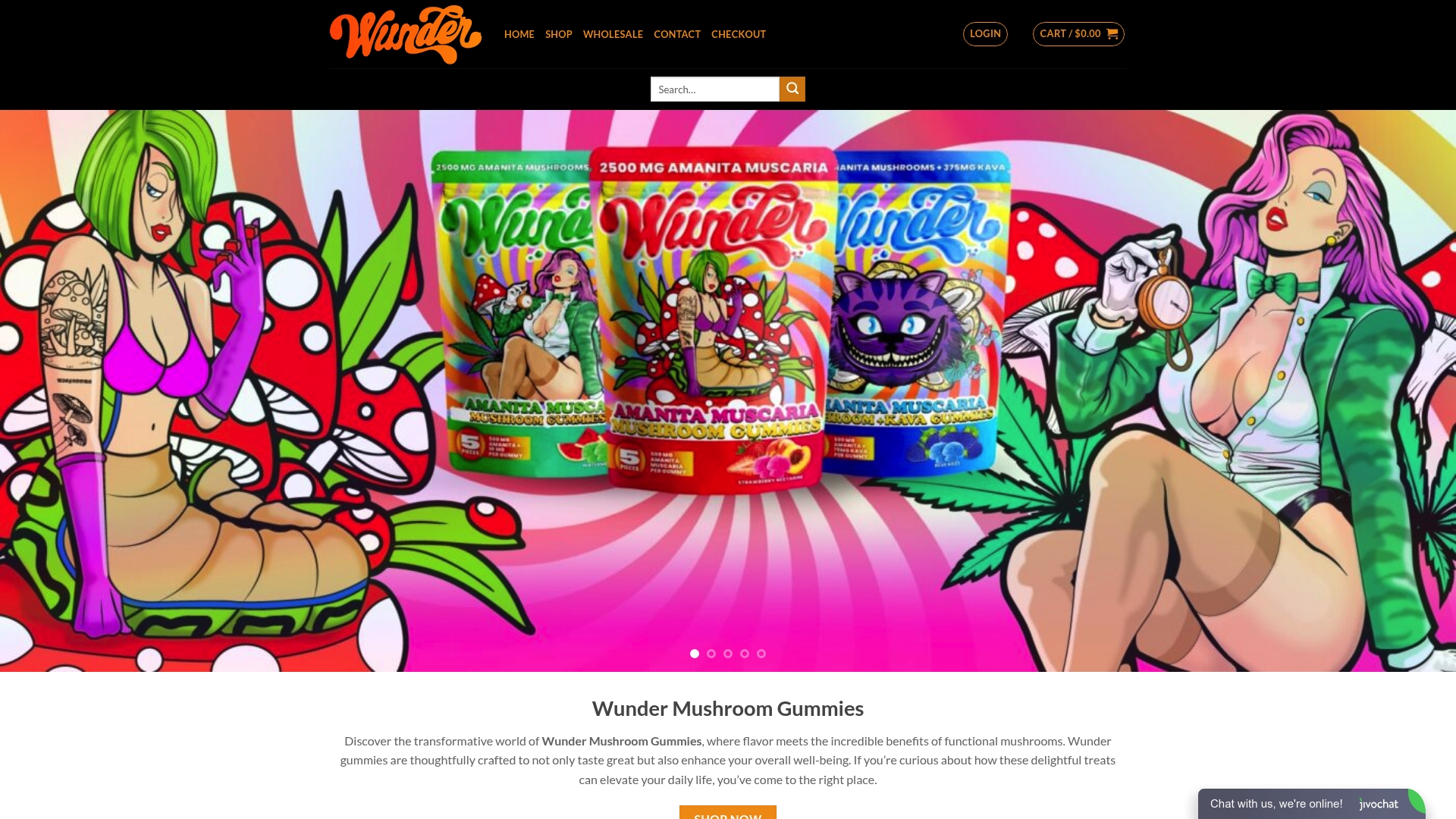
Experience the health-enhancing power of mushrooms in the form of delicious, easy-to-take gummies and grow kits. Our products highlight key mushroom benefits discussed in the article, including support for creativity, mood, relaxation, and focus. Visit WUNDER GUMMIES to shop now and transform your wellness journey. Choose quick, natural products designed for busy lives and start seeing positive changes today.
Frequently Asked Questions
What are the health benefits of different mushroom varieties?
Many mushroom varieties offer unique health benefits. For example, Reishi mushrooms are known for immune-boosting properties, Shiitake can support cardiovascular health, and Lion’s Mane may enhance cognitive function and nerve regeneration.
How should I prepare mushrooms for optimal taste and nutrition?
To prepare mushrooms, gently clean them with a soft brush or damp paper towel instead of washing them under running water to avoid sogginess. Proper cooking methods, like sautéing or roasting, can enhance their flavor and increase nutrient bioavailability.
Can I incorporate dried mushrooms into my recipes?
Yes, dried mushrooms can be easily integrated into recipes. Rehydrate them by soaking in warm water for 20-30 minutes, and use the soaking liquid to enhance soups or sauces. Dried mushrooms offer a concentrated flavor and can be a convenient option for long-term storage.
How can I monitor the health impacts of adding mushrooms to my diet?
To monitor health changes, keep a wellness journal documenting your daily mushroom intake and any changes in your energy levels, mood, or physical well-being. Regular health assessments and blood work can help track improvements in nutrition-related metrics.
Recommended
- Understanding the Role of Mushrooms in Gut Health
- Understanding Types of Edible Mushrooms
- 7 Mushrooms for Mood Enhancement You Need to Try
- Understanding Mushroom Terminology Explained for Health Insights
