
Uncategorized
Understanding Mushroom Terminology Explained for Health Insights

Sep
You might think mushrooms are just odd-looking plants in the woods. But actually, they form their own entire kingdom and scientists have found there are over 144,000 known species of fungi, with thousands more likely undiscovered. Most people only recognize a handful from the grocery store yet understanding mushroom terminology can open up a whole world of health benefits and possibilities you never imagined.
Table of Contents
- What Are Mushrooms? An Overview Of Fungi And Their Types
- Why Mushroom Terminology Matters In Health And Wellness
- Breaking Down Key Terms: Mycelium, Spores, And More
- The Therapeutic Potential Of Mushrooms: Understanding Key Compounds
- Navigating Mushroom Use: How Terminology Shapes Your Choices
Quick Summary
| Takeaway | Explanation |
|---|---|
| Mushrooms Are Fungi, Not Plants | Mushrooms belong to a unique kingdom called fungi, distinct from plants and animals. |
| Types of Mushrooms Have Specific Uses | Edible, medicinal, and wild mushrooms serve different purposes in culinary and health contexts. |
| Key Terminology Enhances Understanding | Familiarity with terms like mycelium and spores allows consumers to grasp mushroom biology and benefits. |
| Medicinal Mushrooms Offer Health Benefits | Certain compounds in mushrooms may boost immunity, reduce inflammation, and support overall health. |
| Choosing Mushrooms Requires Knowledge | Understanding classification helps consumers make informed choices about mushroom supplements and their uses. |
What Are Mushrooms? An Overview of Fungi and Their Types
Mushrooms represent a fascinating subset of fungi, representing living organisms that are neither plants nor animals but belong to their own unique kingdom. Explore more about fungal diversity reveals these remarkable organisms play critical roles in ecosystems worldwide.
Defining Mushrooms in the Fungal Kingdom
Fungi are multicellular eukaryotic organisms characterized by their distinctive cell walls composed of chitin and their ability to decompose organic matter. Unlike plants, fungi cannot produce their own food through photosynthesis and instead obtain nutrients by absorbing dissolved molecules from their surrounding environment. According to research from the National Center for Biotechnology Information, fungi represent a complex and hyperdiverse biological kingdom with nine primary phylum-level clades.
Types of Mushrooms and Their Characteristics
Mushroomsoften classified within the Basidiomycota and Ascomycota phylahave remarkable diversity. Key categories include:
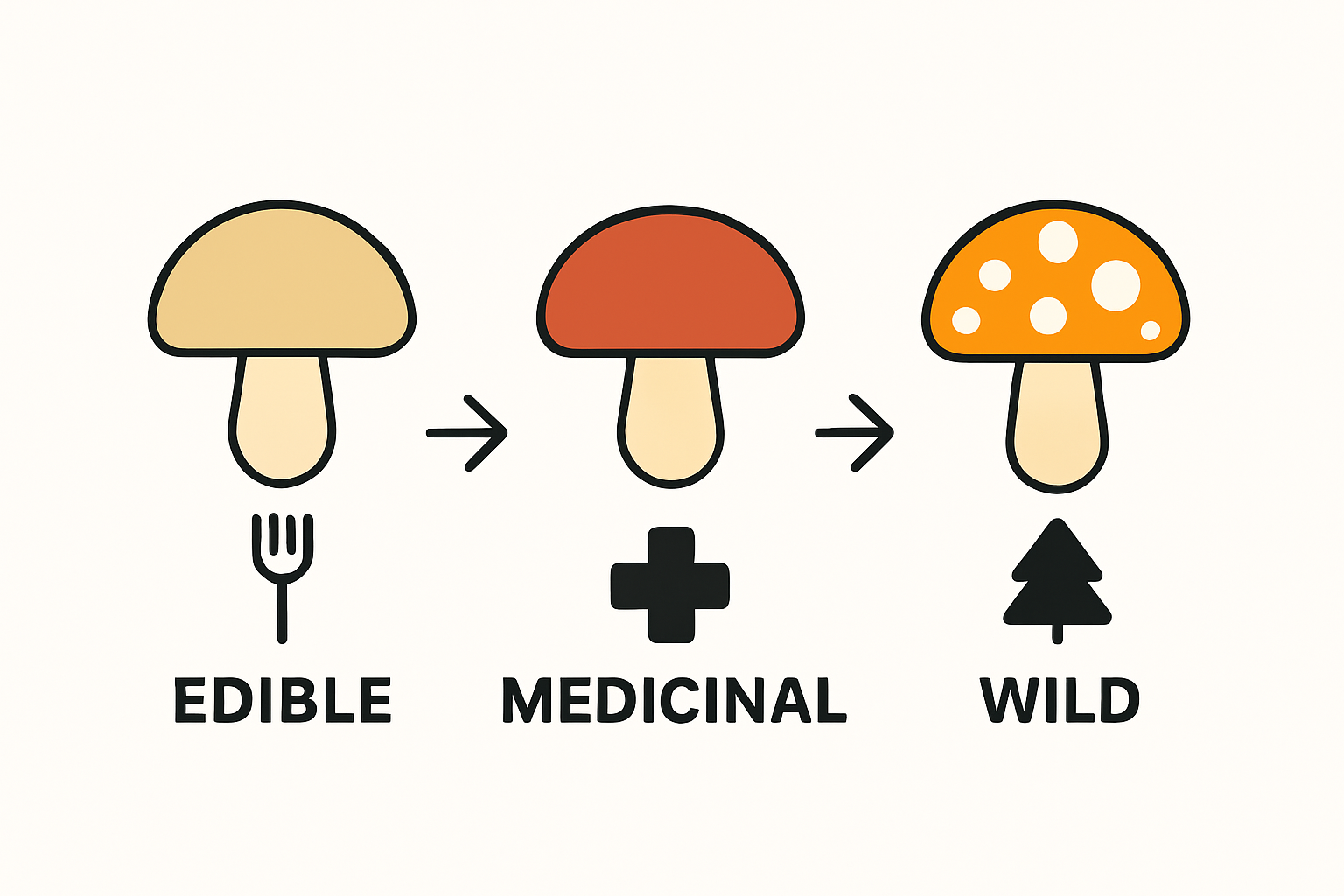
- Edible Mushrooms: Culinary varieties like button, shiitake, and oyster mushrooms
- Medicinal Mushrooms: Species prized for potential health benefits such as reishi, lion’s mane, and chaga
- Wild Mushrooms: Naturally occurring fungi found in forests, ranging from harmless to potentially toxic species
The structural composition of mushrooms typically includes:
- A fruiting body with a cap and stem
- Spore-producing structures underneath the cap
- Complex underground networks called mycelium
Scientific investigation continues to uncover the intricate biological mechanisms and potential applications of these remarkable organisms, highlighting their significance beyond simple decomposers in global ecosystems.
To help clarify the differences between categories of mushrooms mentioned, the table below summarizes their key characteristics and uses.
| Category | Example Species | Primary Use | Key Features |
|---|---|---|---|
| Edible Mushrooms | Button, Shiitake | Culinary | Safe to eat, commonly available |
| Medicinal Mushrooms | Reishi, Lion’s Mane | Health/Therapeutic | Contains bioactive compounds |
| Wild Mushrooms | Morel, Chanterelle | Culinary/Ecological | Often foraged; may be toxic or safe |
| Functional Mushrooms | Chaga, Turkey Tail | Wellness Support | Used for targeted health benefits |
| Adaptogenic Mushrooms | Cordyceps | Stress Resistance | May help adapt to physical/mental stress |
| Culinary Mushrooms | Oyster, Portobello | Nutrition/Diet | Consumed for flavor and nutrients |
Why Mushroom Terminology Matters in Health and Wellness
Understanding mushroom terminology is crucial for navigating the complex world of functional and medicinal fungi. Learn more about functional mushroom details reveals the intricate language that helps consumers make informed wellness decisions.
Decoding Scientific and Nutritional Language
Mushroom terminology bridges scientific research and consumer understanding, providing essential insights into their potential health benefits. The specialized vocabulary encompasses biological classifications, chemical compounds, and therapeutic properties that distinguish different mushroom species. Precise terminology allows individuals to differentiate between various types of mushrooms and their specific wellness contributions.
Key Terminology Categories in Mushroom Health
Navigating mushroom health information requires understanding several critical terminology categories:
- Taxonomic Terms: Scientific names and classifications that identify specific mushroom species
- Bioactive Compound Terminology: Specific chemical structures like polysaccharides, triterpenes, and beta-glucans that contribute to health benefits
- Functional Classification: Descriptions of mushrooms based on their potential wellness applications
According to research from the National Institutes of Health, medicinal mushrooms contain complex bioactive compounds that provide significant health advantages. These compounds include:
- Immunomodulatory substances
- Antioxidant molecules
- Potential anticancer agents
- Metabolic health regulators
Precise terminology enables healthcare professionals, researchers, and wellness enthusiasts to communicate effectively about mushroom properties, potential treatments, and nutritional benefits. By understanding these specialized terms, consumers can make more informed decisions about incorporating mushroom supplements into their health regimens.
Breaking Down Key Terms: Mycelium, Spores, and More
Understanding the intricate terminology associated with mushrooms helps health enthusiasts comprehend their complex biological structures and potential wellness benefits. Dive deeper into mushroom fundamentals provides essential insights into these fascinating organisms.
Defining Fundamental Mushroom Structures
Mushroomslike complex living systemsconsist of multiple interconnected biological components. Mycelium, the underground network of thread-like filaments called hyphae, serves as the primary nutritional and reproductive infrastructure for fungi. According to research from the Encyclopedia Britannica, mycelium acts as the vegetative part of a fungus, absorbing nutrients and supporting the organism’s overall growth and survival.
Key Mushroom Terminology Explained
Several critical terms help categorize and understand mushroom biology:
- Mycelium: The root-like network of fungal threads that grows underground
- Spores: Microscopic reproductive units that allow mushrooms to propagate
- Fruiting Body: The visible, above-ground part of the mushroom that produces spores
- Hyphae: Thin, branching filaments that collectively form the mycelium
The reproductive process of mushrooms involves complex interactions between these components:
- Spores germinate and develop into primary mycelia
- Mycelia grow and expand through underground networks
- Fruiting bodies emerge when environmental conditions are suitable
- Spores are released to continue the reproductive cycle
Understanding these terms provides crucial context for comprehending mushroom biology, their ecological roles, and potential health applications. Each component plays a unique and interconnected role in the fungal lifecycle, highlighting the remarkable complexity of these organisms.
Below is a quick-reference table organizing essential mushroom terminology introduced in the article, providing concise definitions for each key term.
| Term | Definition |
|---|---|
| Mycelium | Underground network of thread-like filaments (hyphae) absorbing nutrients for fungi |
| Spores | Microscopic reproductive units allowing mushrooms to propagate |
| Fruiting Body | The visible above-ground part of the mushroom that produces spores |
| Hyphae | Thin, branching filaments that collectively form the mycelium |
| Polysaccharides | Complex sugar molecules that modulate immune response |
| Terpenoids | Compounds with anticancer and neuroprotective characteristics |
| Phenolic Compounds | Antioxidant molecules that combat cellular damage |
| Sterols | Molecules supporting cellular health and metabolic functions |
The Therapeutic Potential of Mushrooms: Understanding Key Compounds
Medicinal mushrooms represent a powerful frontier in natural health research, offering complex biochemical compounds with remarkable therapeutic potential. Uncover the science behind mushroom wellness illuminates the intricate world of fungal bioactive substances.
Bioactive Compounds and Their Mechanisms
Mushrooms contain sophisticated chemical structures that interact with human biological systems in nuanced ways. According to comprehensive research published in biomedical journals, these compounds demonstrate remarkable properties including antioxidant, anti-inflammatory, and potential anticancer effects.
Primary Therapeutic Compounds in Mushrooms
Several key compound categories contribute to mushrooms therapeutic potential:
- Polysaccharides: Complex sugar molecules that modulate immune response
- Terpenoids: Compounds exhibiting anticancer and neuroprotective characteristics
- Sterols: Molecular structures supporting cellular health and metabolic functions
- Phenolic Compounds: Antioxidant molecules that combat cellular damage
Specific therapeutic actions of these compounds include:
- Stimulating immune system functionality
- Reducing inflammatory responses
- Supporting neurological health
- Protecting against oxidative stress
- Potentially inhibiting tumor growth
The intricate biochemical landscape of mushrooms continues to fascinate researchers, revealing sophisticated mechanisms that demonstrate nature’s remarkable capacity for supporting human wellness. Each compound represents a potential key to understanding advanced therapeutic interventions derived from fungal sources.
Navigating Mushroom Use: How Terminology Shapes Your Choices
Understanding mushroom terminology empowers consumers to make informed health decisions, transforming complex scientific language into practical wellness strategies. Explore functional mushroom insights provides crucial context for navigating the intricate world of fungal supplements.
Interpreting Mushroom Classification Terms
Mushroom classification terminology goes beyond scientific nomenclature, serving as a critical tool for understanding potential health benefits. According to comprehensive nutritional research, mushrooms are nutrient-dense superfoods containing essential compounds that offer significant wellness advantages.
Critical Terminology for Consumer Awareness
Key classification terms help consumers understand mushroom selection and potential benefits:
- Functional Mushrooms: Species specifically targeted for health and wellness properties
- Medicinal Mushrooms: Fungi with documented therapeutic potential
- Adaptogenic Mushrooms: Species that help body resist physical and mental stress
- Culinary Mushrooms: Edible varieties primarily used for nutritional value
Consumers should consider these important factors when interpreting mushroom terminology:
- Understanding the specific health goals of each mushroom type
- Recognizing the difference between supplement forms
- Identifying potential interactions with existing health conditions
- Verifying the quality and sourcing of mushroom products
By developing a nuanced understanding of mushroom terminology, individuals can make more informed choices about incorporating these powerful natural supplements into their wellness routines. The language of mushrooms bridges scientific research and personal health optimization, offering a sophisticated approach to natural supplementation.

Unlock the Power of Mushroom Knowledge for Real Results
Are you struggling to make sense of scientific mushroom terminology and how it connects to your personal wellness goals? This article uncovered that understanding terms like mycelium, adaptogenic properties, and bioactive compounds is often confusing. Many readers feel uncertain about which mushroom supplements will actually support relaxation, focus, or mood based on complex language and product choices.
Explore our Uncategorized Archives where science-backed clarity meets delicious convenience. Our site explains the real-world meaning behind the terminology and helps you find functional mushroom gummies tailored to your needs. Each formula uses carefully chosen ingredients, vegan recipes, and transparent education so you know exactly what each component does for your mind and body.

Why wait to bridge science with daily wellness? Shop at https://wundermushroomsgummies.com now to experience the true benefits of medicinal mushrooms in a format you will actually enjoy. Take the next step toward informed, joyful health choices and make your knowledge work for you today.
Frequently Asked Questions
What are the main types of mushrooms used for health benefits?
Key categories of mushrooms used for health benefits include edible mushrooms (like button and shiitake), medicinal mushrooms (such as reishi and lion’s mane), and functional mushrooms that specifically target health and wellness properties.
How can I differentiate between edible and medicinal mushrooms?
Edible mushrooms are mainly consumed for culinary purposes, while medicinal mushrooms are prized for their therapeutic properties. Understanding their specific benefits and bioactive compounds helps differentiate them.
What is mycelium, and why is it important for mushrooms?
Mycelium is the underground network of thread-like filaments (hyphae) that serves as the vegetative part of a fungus. It plays a crucial role in nutrient absorption and the overall growth and reproduction of mushrooms.
What are bioactive compounds in mushrooms, and what benefits do they offer?
Bioactive compounds in mushrooms, such as polysaccharides, triterpenes, and phenolic compounds, provide various health benefits including immune support, antioxidant effects, anti-inflammatory properties, and potential anticancer activities.
Recommended
- Understanding Functional Mushroom Terminology for Wellness
- What is Mushroom Bioavailability? A Comprehensive Guide
- Understanding the Role of Mushrooms in Gut Health
- Why Mushrooms for Cognitive Support
