
Uncategorized
Understanding What is Mushroom Cultivation and Its Benefits
Sep
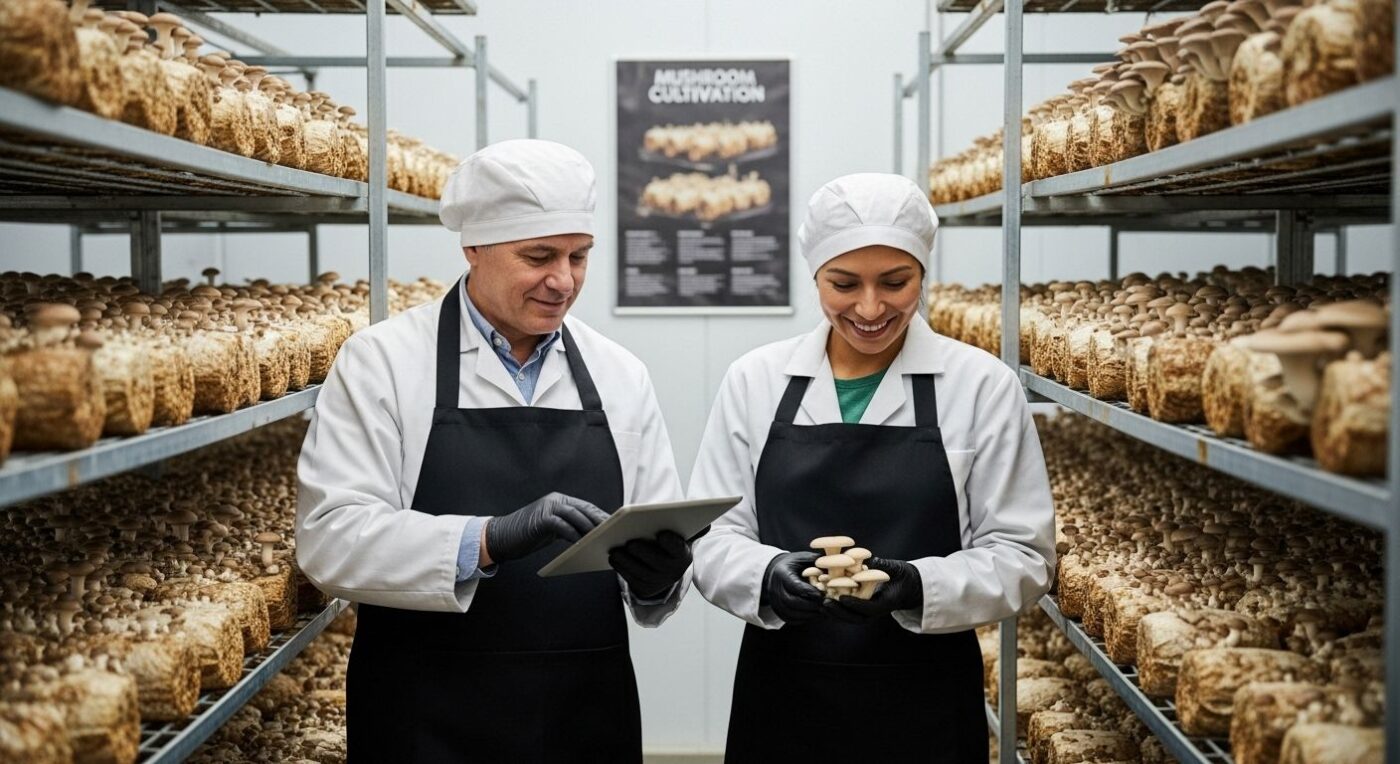
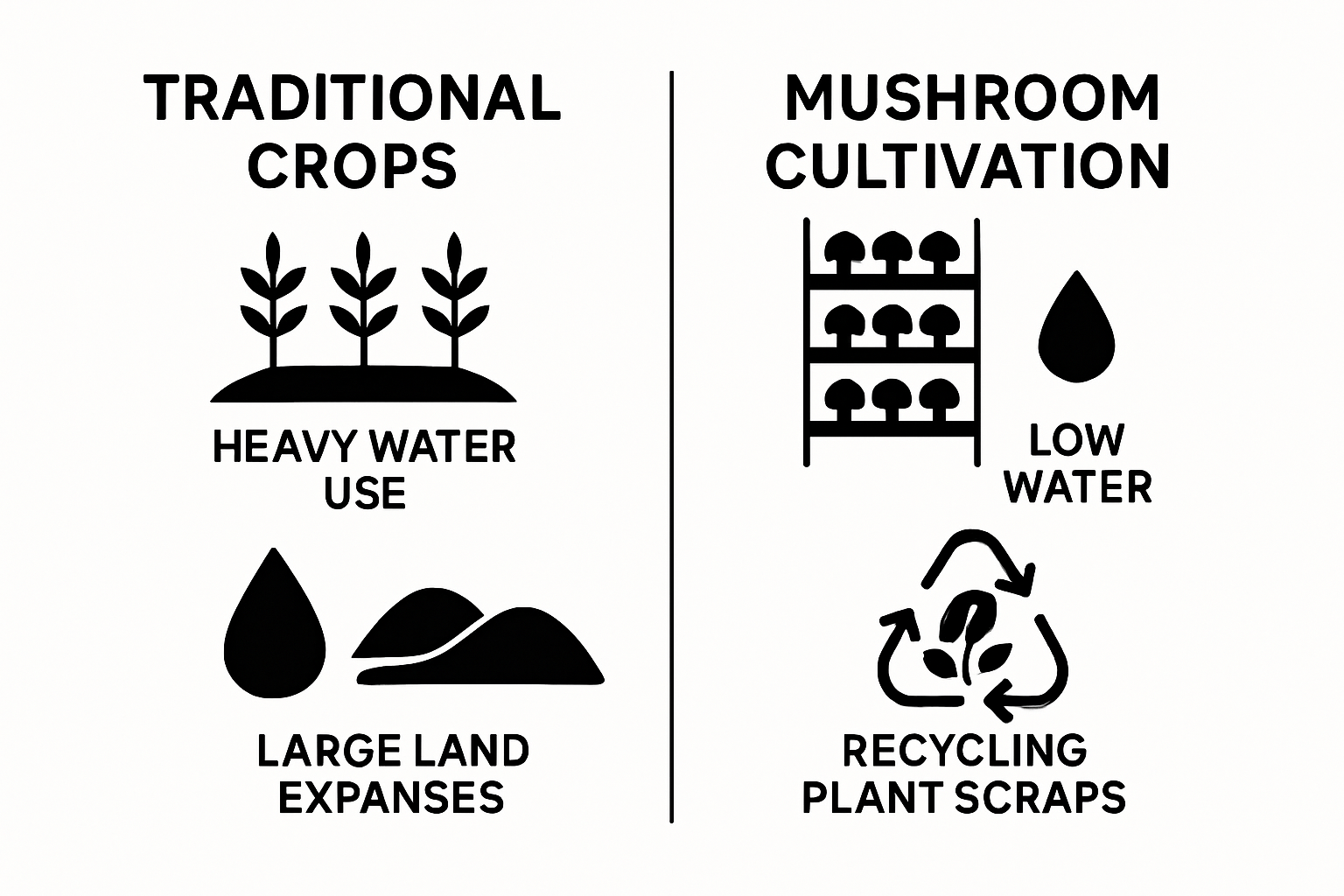
Mushroom cultivation sounds like a niche hobby or a small corner of agriculture, but it’s becoming a real driver of change in sustainable food and wellness. Here’s something that might surprise you. Some mushrooms contain up to 23 percent protein and can grow on recycled agricultural waste using as little as a tenth the water required for traditional crops. That flips the script on what food production can look like and points to an unconventional source of nutrition and health benefits most people overlook.
Table of Contents
- Defining Mushroom Cultivation: The Basics
- The Importance of Mushroom Cultivation in Health and Wellness
- How Mushroom Cultivation Works: Processes and Techniques
- Key Types of Mushrooms and Their Benefits
- The Future of Mushroom Cultivation in Sustainable Living
Quick Summary
| Takeaway | Explanation |
|---|---|
| Mushroom cultivation requires precise environmental control. | Successful growth needs consistent temperatures, humidity, and sterile conditions to thrive. |
| Mushrooms offer significant nutritional and medicinal benefits. | These fungi are rich in vitamins, minerals, and bioactive compounds that support health. |
| Sustainable practices make mushroom farming eco-friendly. | Cultivating mushrooms can recycle waste and require fewer resources than traditional farming. |
| Different mushroom varieties provide unique health advantages. | Varieties like Lion’s Mane and Reishi can enhance cognitive function and support immunity. |
| Emerging technologies may revolutionize mushroom cultivation. | Innovations in bioremediation and sustainable practices could reshape food production and environmental initiatives. |
Defining Mushroom Cultivation: The Basics
Mushroom cultivation represents a sophisticated agricultural practice that transforms organic substrates into nutritious fungi through carefully controlled biological processes. Unlike traditional crop farming, this specialized method requires understanding complex fungal growth mechanisms and creating precise environmental conditions that support mushroom development.
The Science Behind Mushroom Growth
At its core, mushroom cultivation involves deliberately nurturing fungal mycelium growth under controlled conditions. This process starts with selecting specific fungal spores or tissue cultures and introducing them to nutrient-rich substrates such as wood chips, agricultural waste, or specialized growing mediums. Learn more about mushroom growth fundamentals to understand the intricate biological interactions.
The fundamental stages of mushroom development include:
- Spore Germination: Initial stage where fungal spores begin developing into initial mycelial networks
- Mycelium Colonization: Period where fungal threads spread through the substrate
- Fruiting: Stage when actual mushroom structures emerge and develop
Environmental Requirements for Successful Cultivation
Successful mushroom growth demands precise environmental management. Key parameters include:
- Consistent temperature ranges typically between 55 80 degrees Fahrenheit
- Controlled humidity levels around 80 95 percent
- Specific light exposure depending on mushroom species
- Sterile growing conditions to prevent contamination
According to research from the Food and Agriculture Organization, mushroom cultivation offers significant potential for sustainable agriculture by converting agricultural waste into valuable protein sources. The practice not only provides nutritional benefits but also represents an environmentally friendly approach to food production.
By understanding these foundational principles, cultivators can successfully grow various mushroom species ranging from culinary favorites like oyster and shiitake to medicinal varieties with potential health benefits.
Below is a table summarizing the key stages of mushroom cultivation and their main objectives, making it easier to understand the overall process at a glance.
| Stage | Description |
|---|---|
| Spore Germination | Fungal spores begin developing into initial mycelial networks |
| Mycelium Colonization | Fungal threads spread throughout the substrate |
| Fruiting | Mushroom structures emerge and mature, ready for harvest |
The Importance of Mushroom Cultivation in Health and Wellness
Mushroom cultivation represents far more than a simple agricultural practice its emergence as a critical component of holistic health and wellness strategies transforms how we perceive nutrition and natural healing. These remarkable fungi offer profound potential for addressing complex health challenges while providing sustainable nutritional solutions.
Nutritional Profile and Bioactive Compounds
Mushrooms are exceptional nutritional powerhouses packed with essential nutrients that support comprehensive human health. Explore different edible mushroom varieties to understand their remarkable diversity. Their complex biochemical composition includes critical elements that distinguish them from traditional food sources:
- Vitamins and Minerals: Rich sources of vitamin D, B complex, selenium, and potassium
- Protein Content: High quality protein sources with complete amino acid profiles
- Antioxidant Properties: Powerful compounds that combat cellular oxidative stress
Medicinal and Therapeutic Potential
Beyond basic nutrition, cultivated mushrooms demonstrate extraordinary therapeutic capabilities. According to research published in biomedicine studies, these fungi exhibit remarkable health promoting properties including:
- Immune system modulation
- Anti inflammatory responses
- Potential anticancer mechanisms
- Metabolic health regulation
- Neurological function support
Cultivated mushrooms like reishi, lion mane, and cordyceps have been traditionally used in holistic medicine systems worldwide. Their ability to support human physiological processes makes them invaluable resources for preventative healthcare and wellness strategies. Modern scientific research continues to validate traditional knowledge about mushrooms potential therapeutic applications.
By integrating mushroom cultivation into health conscious lifestyles individuals can access natural nutritional interventions that support comprehensive well being through sustainable biological mechanisms.

How Mushroom Cultivation Works: Processes and Techniques
Mushroom cultivation is a sophisticated biological process that transforms simple organic materials into complex fungal ecosystems through precise scientific techniques. Unlike traditional agricultural practices, mushroom production requires intricate understanding of fungal growth mechanisms and carefully controlled environmental conditions.
Substrate Preparation and Inoculation
The foundation of successful mushroom cultivation lies in creating optimal substrate conditions. Learn more about advanced cultivation techniques to comprehend the nuanced requirements. Substrates serve as nutritional mediums for mushroom mycelium growth and can include various organic materials:
- Wood chips and sawdust
- Agricultural waste products
- Composted organic matter
- Specialized grain or grain byproducts
Inoculation involves introducing fungal spores or mycelial cultures into these carefully prepared substrates, initiating the complex biological transformation process. Sterile techniques are crucial during this stage to prevent contamination and ensure healthy fungal development.
Environmental Control and Fruiting Conditions
Successful mushroom cultivation demands meticulous environmental management. According to scientific research in agricultural biotechnology, critical parameters include:
- Temperature regulation between 55 75 degrees Fahrenheit
- Humidity maintenance around 80 95 percent
- Precise light exposure
- Air exchange and circulation
- Consistent monitoring of substrate moisture levels
The fruiting stage represents the culmination of careful cultivation efforts, where environmental conditions trigger mushroom structure formation. Cultivators must create specific microclimates that simulate natural fungal habitats, encouraging robust and healthy mushroom growth.
By understanding these intricate biological processes, cultivators can transform simple organic materials into nutritionally rich and scientifically cultivated fungal organisms that offer remarkable health and culinary potential.
Key Types of Mushrooms and Their Benefits
The world of mushroom cultivation encompasses an extraordinary diversity of species, each offering unique nutritional profiles and potential health benefits. From culinary delights to medicinal powerhouses, these fungal organisms represent a complex ecosystem of biological potential waiting to be explored and understood.
Medicinal and Functional Mushroom Varieties
Explore comprehensive details about edible mushroom types and unlock the intricate world of fungal diversity. The most prominent medicinal mushroom varieties include:
- Lion’s Mane: Renowned for potential neurological support and cognitive enhancement
- Reishi: Recognized for immune system modulation and stress reduction
- Cordyceps: Known for energy metabolism and athletic performance improvement
- Chaga: Celebrated for antioxidant and immune system strengthening properties
Each mushroom species represents a unique biochemical signature, offering specialized health benefits through complex interactions with human physiological systems.
This table highlights the nutritional and therapeutic features of commonly cultivated medicinal mushrooms, helping readers compare their unique benefits.
| Mushroom | Key Benefit | Therapeutic Potential |
|---|---|---|
| Lion’s Mane | Supports cognitive function | May enhance neurological health |
| Reishi | Immune modulation and stress reduction | Supports immune system and lowers stress |
| Cordyceps | Improves energy metabolism | Enhances athletic performance |
| Chaga | Strengthens antioxidant and immune response | Supports immune system; antioxidant |
Nutritional Profiles and Therapeutic Potential
According to scientific research in nutritional biology, mushrooms demonstrate remarkable nutritional complexity. Their biochemical composition includes:
- Protein content ranging from 20 23 percent
- Rich source of essential amino acids
- Significant levels of dietary fiber
- Abundant mineral and vitamin concentrations
- Presence of bioactive compounds like beta glucans
These nutritional characteristics position mushrooms as potential functional food ingredients capable of supporting comprehensive human health through natural, scientifically validated mechanisms. The therapeutic potential extends beyond basic nutrition, with emerging research suggesting potential applications in managing metabolic disorders, supporting immune function, and potentially mitigating chronic inflammatory conditions.
By understanding the distinctive characteristics of different mushroom varieties, individuals can strategically incorporate these remarkable fungi into their wellness routines, leveraging their extraordinary biological potential for holistic health optimization.
The Future of Mushroom Cultivation in Sustainable Living
Mushroom cultivation emerges as a groundbreaking solution to multiple environmental and nutritional challenges, positioning itself at the intersection of ecological innovation and sustainable food production. As global populations seek alternative approaches to traditional agriculture, mushroom cultivation represents a transformative pathway toward more responsible resource management.
Ecological Impact and Resource Recycling
Explore advanced mushroom cultivation techniques to understand their potential for environmental regeneration. Mushroom production offers remarkable ecological advantages through unique resource utilization mechanisms:
- Conversion of agricultural waste into nutritious food sources
- Minimal water consumption compared to traditional crop farming
- Ability to grow in vertical and compact urban environments
- Potential for carbon sequestration and soil regeneration
- Low land requirement for substantial protein production
These characteristics position mushroom cultivation as a critical strategy for addressing food security and environmental sustainability challenges in the 21st century.
Technological Innovations and Future Prospects
According to scientific research in sustainable agriculture, mushroom cultivation is poised to revolutionize multiple sectors beyond traditional food production. Emerging technological developments suggest promising applications in:
- Bioremediation of contaminated environments
- Development of alternative building materials
- Creation of biodegradable packaging solutions
- Pharmaceutical and nutraceutical ingredient production
- Potential carbon capture and climate change mitigation strategies
The convergence of biotechnology, ecological engineering, and advanced cultivation techniques promises to transform mushroom production from a niche agricultural practice into a comprehensive solution for sustainable living. By leveraging the extraordinary biological capabilities of fungi, researchers and cultivators are developing innovative approaches that could fundamentally reshape our understanding of food production, environmental restoration, and resource management.
Unlock the Practical Benefits of Mushroom Cultivation—Experience Real Wellness
Are you inspired by the science and promise behind mushroom cultivation but unsure how to truly harness its health potential in your daily life? Many people want the proven nutritional and functional benefits of mushrooms, discussed in our article, but find it hard to access fresh, high-quality varieties or create the perfect growing environment. If you are seeking natural support for immune health, clear thinking, and overall wellness, our Uncategorized Archives – WUNDER GUMMIES page provides an easy next step. Here, you will discover carefully crafted mushroom-infused gummies and all-in-one grow kits, bringing the complex value of medicinal and functional mushrooms into a convenient, enjoyable form.

Stop letting lack of access or experience slow down your journey to a healthier lifestyle. Visit https://wundermushroomsgummies.com today to shop our solutions—grown for flavor, formulated for wellness, and supported by research. Simplify your routine and get the results of advanced mushroom cultivation without stress. Start exploring now and elevate your well-being with nature’s best.
Frequently Asked Questions
What is mushroom cultivation?
Mushroom cultivation is the process of growing mushrooms by nurturing fungal mycelium in a controlled environment using nutrient-rich substrates such as wood chips or agricultural waste. This method transforms organic materials into nutritious fungi.
What are the environmental requirements for successful mushroom cultivation?
Successful mushroom cultivation requires controlled temperature ranges (typically between 55-80°F), high humidity levels (around 80-95%), specific light exposure, and sterile conditions to prevent contamination.
What are the health benefits of cultivated mushrooms?
Cultivated mushrooms offer various health benefits including high nutritional content, potential immune system support, anti-inflammatory properties, and compounds that may help regulate metabolic health and neurological function.
How does substrate preparation affect mushroom cultivation?
Substrate preparation is crucial for successful mushroom cultivation as it provides the nutritional medium for mycelium growth. The choice of substrate, whether wood chips, agricultural waste, or specialized grains, directly influences the efficiency and yield of mushroom production.
Recommended
- Understanding Types of Edible Mushrooms
- Understanding Mushroom Terminology Explained for Health Insights
- Understanding the Role of Mushrooms in Gut Health
- Why Mushrooms for Cognitive Support
