
Uncategorized
Mushroom Safety Explained: Understanding Risks and Benefits

Oct
Mushrooms are everywhere and their varieties might surprise you. Experts have already identified over 14,000 different mushroom species worldwide—from those found on your dinner plate to others best left untouched. But here is the shocker. Some poisonous mushrooms look almost identical to the safe, edible ones you find in supermarkets. Knowing how to spot the difference could save your life or open up an amazing world of culinary and wellness experiences.
Table of Contents
- What Are Mushrooms And Their Varieties?
- Why Mushroom Safety Matters For Health Enthusiasts
- How Toxic And Non-Toxic Mushrooms Differ
- Key Concepts In Identifying Safe Mushrooms
- Practical Considerations For Safe Mushroom Use
Quick Summary
| Takeaway | Explanation |
|---|---|
| Understand mushroom types before consumption. | Familiarize yourself with the four main mushroom categories: edible, medicinal, psychoactive, and poisonous to avoid health risks. |
| Consult experts for safe identification. | Always seek guidance from mycological experts or certified professionals before foraging or consuming wild mushrooms to prevent misidentification. |
| Purchase from reputable sources only. | Always buy mushrooms from certified suppliers who provide transparency in their cultivation and safety testing to ensure quality and safety. |
| Consider personal health before consuming mushrooms. | Assess any pre-existing health conditions and potential interactions with medications before trying new mushroom varieties. |
| Beware of toxic look-alikes. | Many toxic mushrooms closely resemble safe varieties, making careful identification crucial to avoid accidental poisoning. |
What are Mushrooms and Their Varieties?
Mushrooms represent a fascinating kingdom of organisms that bridge the gap between plants and animals, occupying a unique biological space. Unlike plants that generate energy through photosynthesis, mushrooms are fungi that obtain nutrients by decomposing organic matter in their environment. Understanding the basics of mushroom varieties reveals a complex and diverse world of organisms with remarkable characteristics.
Mushroom Biological Classification
Scientifically classified under the kingdom Fungi, mushrooms are multicellular organisms composed of thread-like structures called mycelium. These complex networks grow underground and produce the visible fruiting bodies we recognize as mushrooms. Researchers have identified over 14,000 distinct mushroom species worldwide, each with unique properties ranging from edible and medicinal to potentially toxic.
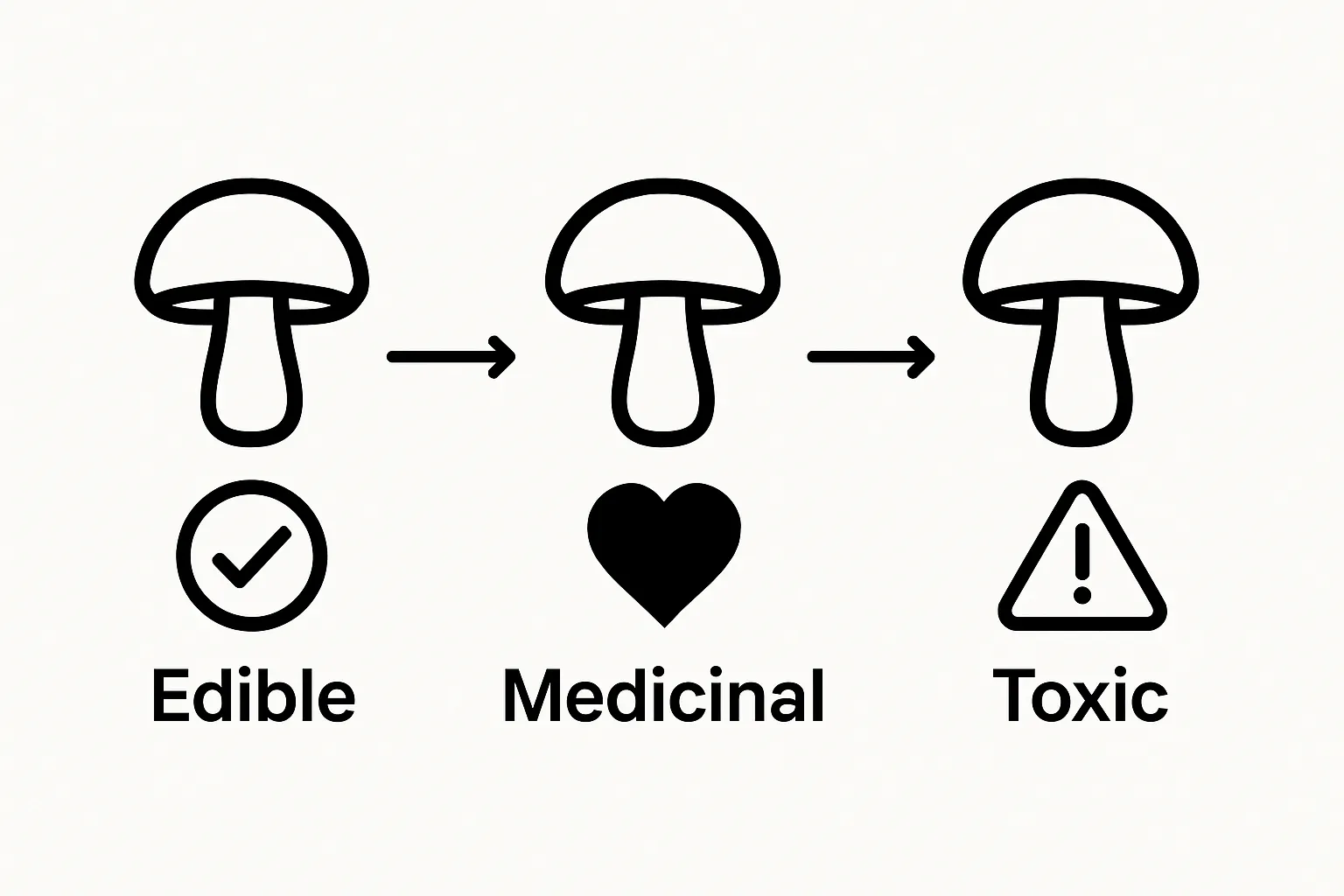
Mushrooms can be broadly categorized into several key groups
 :
:
- Edible Mushrooms: Safe for human consumption, including popular varieties like shiitake, portobello, and button mushrooms
- Medicinal Mushrooms: Known for potential health benefits, such as reishi, lion’s mane, and chaga
- Psychoactive Mushrooms: Contain compounds that affect neurological function, primarily psilocybin species
- Poisonous Mushrooms: Potentially lethal if consumed, requiring expert identification
Ecological and Nutritional Significance
Beyond their culinary uses, mushrooms play a critical role in ecosystem health. As decomposers, they break down dead organic matter, recycling nutrients and supporting soil fertility. According to research from the Mycological Society of America, mushrooms contribute essential ecosystem services by connecting plant root systems and facilitating nutrient exchange in complex underground networks.
Nutritionally, mushrooms are powerhouses of essential minerals, vitamins, and antioxidants. They provide protein, fiber, and unique compounds like beta-glucans that support immune function. Their low-calorie profile combined with rich nutritional content makes them an excellent addition to health-conscious diets.
Understanding mushroom varieties requires recognizing their incredible diversity and potential, from supporting environmental sustainability to offering potential health benefits across multiple domains.
Below is a table comparing the four main categories of mushrooms discussed in the article to help readers quickly understand their differences and unique characteristics.
| Mushroom Category | Description | Common Examples | Key Safety Consideration |
|---|---|---|---|
| Edible | Safe for human consumption, provide nutritional benefits | Shiitake, Portobello, Button | Buy from reputable sources |
| Medicinal | Potential therapeutic and health-boosting properties | Reishi, Lion’s Mane, Chaga | Confirm scientific backing and source |
| Psychoactive | Contain compounds affecting neurological function | Psilocybin species | Legal status and risks; need expert advice |
| Poisonous | Contain dangerous toxins, can be lethal if consumed | Amanita, Galerina families | Avoid entirely; expert ID required |
Why Mushroom Safety Matters for Health Enthusiasts
Mushroom safety is a critical consideration for anyone interested in exploring the potential health benefits of fungi. While mushrooms offer remarkable nutritional and therapeutic properties, consuming them without proper knowledge can lead to serious health risks. Understanding why organic mushrooms are essential helps consumers make informed decisions about their dietary and wellness choices.
Potential Health Risks of Improper Mushroom Consumption
The world of mushrooms contains a complex spectrum of species, ranging from incredibly beneficial to potentially deadly. According to research from the National Poison Data System, mushroom-related poisonings represent a significant health concern, with thousands of exposure cases reported annually. The risks stem from several critical factors:
- Toxic Look-Alikes: Many poisonous mushrooms closely resemble edible varieties, making visual identification challenging for untrained individuals
- Complex Chemical Compositions: Some mushrooms contain potent neurotoxins that can cause severe physiological reactions
- Variable Metabolic Responses: Individual human bodies may react differently to the same mushroom species
Understanding Safe Mushroom Consumption Practices
Ensuring mushroom safety requires a comprehensive approach that combines scientific knowledge, expert guidance, and responsible consumption practices. Health enthusiasts should prioritize several key strategies to minimize risks:
- Professional Sourcing: Purchase mushrooms from reputable suppliers who conduct rigorous quality and safety testing
- Expert Identification: Consult mycological experts or certified professionals before foraging or consuming wild mushrooms
- Controlled Cultivation: Consider growing mushrooms in controlled environments to ensure purity and safety
Beyond immediate health risks, improper mushroom consumption can lead to complex medical complications. Some mushroom toxins can cause acute liver damage, neurological impairments, and potentially life-threatening conditions. Professional medical guidance becomes crucial when exploring mushroom-based wellness strategies, especially for individuals with pre-existing health conditions or compromised immune systems.
By understanding the intricate relationship between mushroom varieties and human health, enthusiasts can unlock the incredible potential of these fascinating organisms while maintaining a robust approach to personal wellness and safety.
How Toxic and Non-Toxic Mushrooms Differ
Understanding the critical distinctions between toxic and non-toxic mushrooms is fundamental to ensuring personal safety and wellness. Understanding complex mushroom terminology helps individuals navigate the nuanced world of fungal identification and consumption.
Characteristics of Toxic Mushroom Species
Toxic mushrooms possess unique chemical compositions that distinguish them from their edible counterparts. According to research published in the Journal of Toxicology, toxic mushrooms contain specialized compounds that can trigger severe physiological reactions. These dangerous fungi often share several key characteristics:
- Potent Neurotoxins: Capable of causing immediate neurological disruptions
- Cellular Destruction: Compounds that can damage liver and kidney functions
- Rapid Metabolic Interference: Ability to quickly disrupt human metabolic processes
Some of the most dangerous toxic mushroom families include Amanita and Galerina, which contain amatoxins capable of causing extensive liver damage. These toxins are particularly insidious because symptoms may not appear immediately, creating a false sense of safety before serious medical complications emerge.
Identifying Safe Mushroom Varieties
Non-toxic mushrooms are characterized by specific biological markers and growth patterns that differentiate them from their poisonous counterparts. Key indicators of safe mushroom consumption include:
- Consistent Cellular Structure: Uniform tissue composition without unusual discolorations
- Predictable Growth Environments: Cultivated in controlled, monitored conditions
- Verified Genetic Profiles: Scientifically documented and taxonomically confirmed species
Medicinal and culinary mushrooms like shiitake, oyster, and button mushrooms represent well-studied, safe varieties that offer significant nutritional benefits.
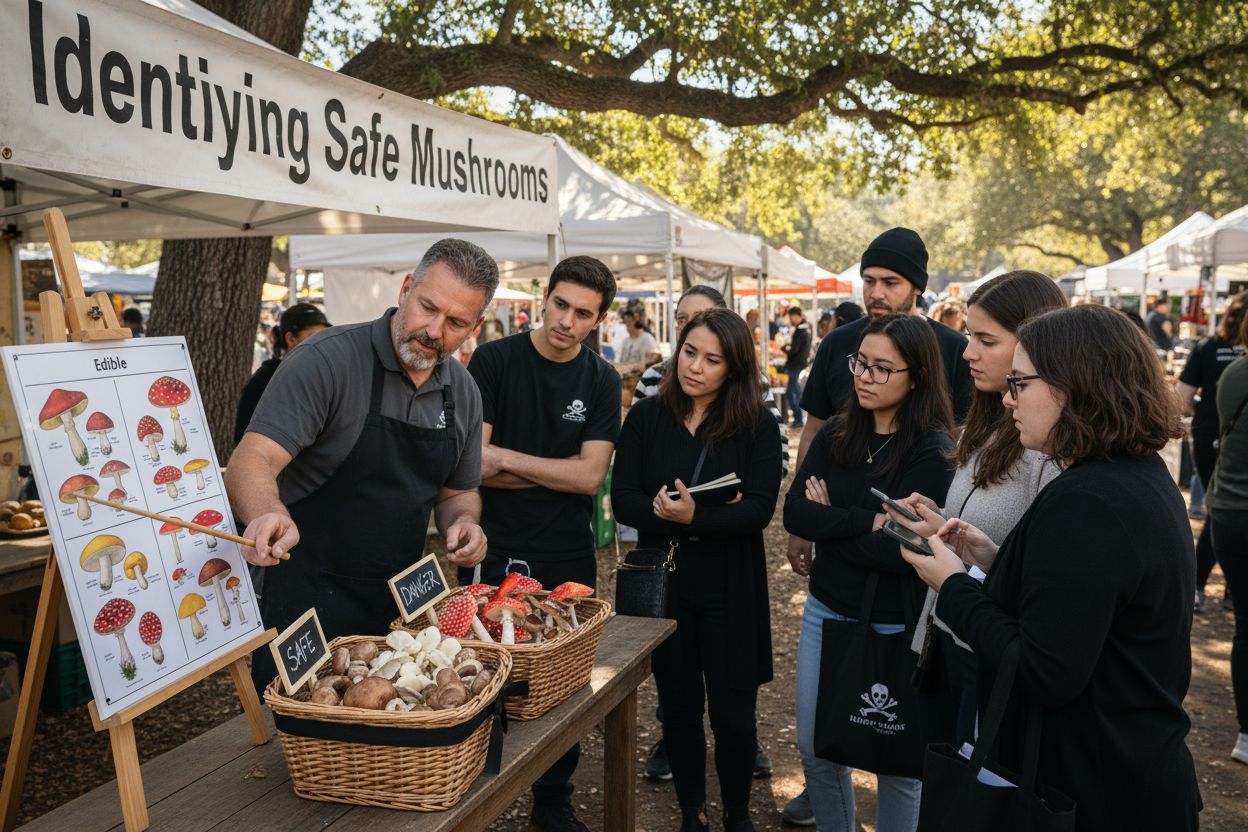 These species undergo rigorous testing to confirm their safety and potential health advantages.
The distinction between toxic and non-toxic mushrooms extends beyond simple visual identification. Comprehensive understanding requires deep knowledge of fungal biochemistry, ecological contexts, and potential human physiological interactions. Professional mycological expertise remains crucial in accurately differentiating between safe and dangerous mushroom species, underscoring the importance of expert guidance in mushroom exploration and consumption.
This table highlights key characteristics that differentiate toxic mushrooms from non-toxic ones, providing a clear reference for safer foraging and consumption decisions.
| Characteristic | Toxic Mushrooms | Non-Toxic Mushrooms |
|---|---|---|
| Chemical Composition | Contain neurotoxins, amatoxins, and organ-destroying toxins | Lacking toxic compounds, rich in nutrients |
| Visual Similarity | May resemble edible varieties, making ID challenging | Recognized growth patterns and structures |
| Effect on Humans | Cause liver/kidney damage, neurological issues, death | Provide nutritional or potential health benefits |
| Symptom Onset | Symptoms may be delayed (hours to days) | No harmful symptoms when properly consumed |
| Verification Required | Demands expert identification and caution | Often verified through scientific documentation |
Key Concepts in Identifying Safe Mushrooms
Mushroom identification represents a complex scientific discipline that requires specialized knowledge and careful observation. Understanding responsible mushroom use provides critical insights into safely navigating the intricate world of fungal species.
Scientific Identification Methodologies
Professional mushroom identification involves comprehensive analysis beyond simple visual assessment. According to scientific research published in Mycologia, there is no singular morphological trait that universally distinguishes toxic from non-toxic mushrooms. Expert mycologists employ multiple sophisticated techniques to ensure accurate species classification:
- Microscopic Tissue Analysis: Examining cellular structures and spore characteristics
- Genetic Sequencing: Utilizing DNA testing to confirm precise taxonomic classifications
- Chemical Reactivity Tests: Investigating specific chemical responses in fungal tissue
Critical Visual and Structural Indicators
While professional techniques provide definitive identification, several visual characteristics can help preliminary mushroom assessment. Experienced foragers and researchers recommend examining multiple physical attributes:
- Cap Morphology: Observing shape, color, texture, and surface characteristics
- Stem Structural Integrity: Analyzing attachment, thickness, and internal composition
- Gill and Spore Pattern: Documenting color, density, and arrangement of reproductive structures
- Environmental Context: Understanding specific growth habitats and associated ecological conditions
The complexity of mushroom identification underscores the critical importance of professional expertise. Amateur identification attempts can lead to potentially dangerous misclassifications, making consultation with certified mycological experts an essential safety measure. Comprehensive understanding requires not just visual recognition but deep knowledge of fungal biochemistry, ecological interactions, and potential physiological impacts on human systems.
Ultimately, mushroom identification is a nuanced science that demands respect for the complexity of fungal ecosystems and a commitment to rigorous, scientifically validated methodologies.
Practical Considerations for Safe Mushroom Use
Responsible mushroom consumption requires a holistic approach that prioritizes personal safety and informed decision-making. Understanding mushroom cultivation techniques provides critical insights into creating controlled, safe environments for mushroom interaction and consumption.
Professional Sourcing and Verification
Professional mushroom sourcing represents the foundational step in ensuring safe consumption. According to research published in the Journal of Ethnopharmacology, verifying mushroom origin and cultivation methods significantly reduces potential health risks. Key considerations for professional sourcing include:
- Certified Suppliers: Purchasing from recognized mycological experts and regulated vendors
- Transparent Production Documentation: Requesting comprehensive cultivation and testing records
- Third-Party Laboratory Verification: Ensuring independent quality control assessments
Health Screening and Personal Risk Assessment
Before engaging with any mushroom variety, individuals must conduct thorough personal health evaluations. Critical screening parameters involve understanding individual physiological responses and potential interaction risks:
- Medical History Review: Consulting healthcare professionals about pre-existing conditions
- Medication Interaction Assessment: Identifying potential biochemical conflicts
- Allergic Reaction Screening: Performing controlled sensitivity tests
- Dosage and Consumption Limitations: Establishing personalized consumption guidelines
The complexity of mushroom interactions with human physiology demands a nuanced, individualized approach. Professional medical guidance becomes essential, particularly for individuals with compromised immune systems or complex health backgrounds. Responsible mushroom use transcends simple consumption guidelines, requiring comprehensive understanding of personal health contexts, potential therapeutic applications, and inherent biological variability.
Ultimately, safe mushroom use represents an intersection of scientific knowledge, personal awareness, and professional guidance. By adopting a methodical, informed approach, individuals can explore the potential benefits of mushrooms while maintaining stringent safety protocols.
Elevate Mushroom Safety with Confidence and Trusted Solutions
Navigating the real risks and rewards of mushroom use demands more than basic knowledge. If you worry about misidentifying mushrooms or the long-term effects of what you consume, you are not alone. The article underscores how critical professional sourcing, verified quality, and expert guidance are for anyone seeking the benefits of medicinal mushrooms while avoiding dangerous mistakes. Many people feel overwhelmed by concerns about purity, safety, and responsible use when seeking natural wellness options. Gain peace of mind by choosing carefully formulated products that eliminate guesswork and risk.
Explore our curated collections dedicated to safe functional mushroom wellness
Harness the health benefits of expertly sourced mushrooms without compromising safety. With our range of mushroom-infused gummies, controlled grow kits, and evidence-based information, WUNDER GUMMIES delivers both convenience and confidence. Join a community that values responsible, natural wellness. Visit the shop now for pure, lab-tested products and start your journey with solutions focused on your health and peace of mind. If you want more in-depth guides and updates, check out our latest insights and resources in our Uncategorized Archives. Now is the time to make mushroom safety simple and enjoyable.
Frequently Asked Questions
What are the risks associated with consuming wild mushrooms?
Eating wild mushrooms poses significant risks due to the presence of toxic species that resemble edible varieties. Many poisonous mushrooms contain neurotoxins that can lead to severe health complications, including liver damage and neurological impairments. Proper identification and expert guidance are crucial to avoid these dangers.
How can I ensure the mushrooms I consume are safe?
To ensure safety, purchase mushrooms from reputable suppliers, consult mycological experts for identification, and consider cultivating mushrooms in controlled environments. Proper sourcing and fearless verification of mushroom species are essential practices in minimizing health risks.
What are some common edible mushroom varieties?
Common edible mushroom varieties include shiitake, portobello, and button mushrooms. These mushrooms are well-studied and recognized for their nutritional benefits and safety when sourced properly.
What precautions should health enthusiasts take when consuming mushrooms?
Health enthusiasts should prioritize professional sourcing, expert identification, and knowledge of personal health risks. Conduct thorough health screenings, especially for individuals with pre-existing conditions, and consult healthcare professionals when considering mushroom consumption for therapeutic uses.
Recommended
- Understanding What is Responsible Mushroom Use – WUNDER GUMMIES
- Understanding Types of Edible Mushrooms: The Essentials – WUNDER GUMMIES
- Understanding Mushroom Legality Explained: Key Concepts – WUNDER GUMMIES
- Understanding Mushroom Terminology Explained for Health Insights – WUNDER GUMMIES
