
Uncategorized
7 Alternative Wellness Trends for 2025 You Need to Know
Sep
Wellness trends are moving fast and 2025 is packed with fresh ideas promising better health and happiness. You might think everyone’s just chasing the next superfood or fitness fad. Yet the real headlines reveal something deeper. Studies show that nature-based therapies can seriously reduce anxiety and depression symptoms, and personalized nutrition plans now use genetic testing for immediate results. What’s truly surprising is that the latest trends turn the spotlight on things like sleep quality, community connection, and even the planet’s well-being. Wellness is getting personal and collective at the same time and it is changing everything you thought you knew.
Table of Contents
- Embracing Nature-Based Therapies
- The Rise Of Personalized Nutrition
- Integrating Technology With Mindfulness
- Exploring Plant-Powered Supplements
- Sustainable Practices In Wellness
- Incorporating Sleep Wellness Techniques
- Community-Centric Health Approaches
Quick Summary
| Takeaway | Explanation |
|---|---|
| Embrace nature-based therapies for holistic health | Engage with natural environments to support emotional well-being and reduce stress effectively. |
| Utilize personalized nutrition for tailored diets | Leverage genetic and metabolic insights to create dietary plans that suit individual health needs. |
| Incorporate technology into mindfulness practices | Use digital tools like apps and VR to enhance meditation experiences and promote mental health. |
| Explore plant-powered supplements for wellness | Choose supplements made from botanical sources to harness their nutritional and therapeutic benefits. |
| Adopt community-centric health approaches | Participate in collaborative health strategies that emphasize shared wellness and social connections for better outcomes. |
1: Embracing Nature-Based Therapies
As alternative wellness trends for 2025 continue to evolve, nature-based therapies are emerging as a powerful approach to holistic health and mental well-being. These therapeutic interventions leverage the inherent healing properties of natural environments to support physical, emotional, and psychological restoration.
Nature-based therapies represent a profound shift from traditional clinical treatments, focusing on reconnecting individuals with the natural world as a mechanism for healing. Research from PubMed reveals that engagement with natural settings can significantly reduce symptoms of anxiety and depression while enhancing overall quality of life.
Key characteristics of nature-based therapies include:
- Utilizing outdoor environments as therapeutic settings
- Promoting direct interaction with natural landscapes
- Encouraging mindful presence and sensory engagement
- Supporting holistic wellness through environmental immersion
Practitioners are increasingly recognizing the multifaceted benefits of these interventions. The therapeutic approach goes beyond mere exposure to nature, emphasizing intentional interaction and mindful connection with natural environments.
Modern nature-based therapies encompass diverse practices such as forest bathing, horticultural therapy, wilderness retreats, and ecotherapy. These approaches leverage environmental elements to support mental health, stress reduction, and personal growth. By integrating sensory experiences and physical movement within natural settings, individuals can unlock profound healing potential.
As wellness enthusiasts seek more integrative and holistic approaches to health, nature-based therapies offer a compelling alternative to conventional treatment methods. The growing body of scientific evidence underscores their effectiveness in promoting psychological resilience, emotional balance, and overall well-being.
2: The Rise of Personalized Nutrition
Personalized nutrition is transforming how individuals approach dietary choices and health optimization in 2025. This innovative approach moves beyond traditional one-size-fits-all nutritional recommendations, leveraging advanced technologies and scientific insights to create tailored dietary strategies specific to individual metabolic profiles.
Research from the Journal of Personalized Medicine highlights the groundbreaking developments in nutrigenomics and microbiome analysis, enabling unprecedented precision in nutritional guidance. These technological advancements allow for comprehensive understanding of how individual genetic makeup, lifestyle, and environmental factors influence nutritional requirements.
Key components of personalized nutrition include:
- Genetic testing to identify metabolic predispositions
- Comprehensive microbiome analysis
- Real-time metabolic tracking
- Customized nutritional recommendations based on individual data
The emerging field integrates multiple scientific disciplines, combining genetic profiling, metabolic assessments, and advanced diagnostic technologies. By analyzing an individual’s unique biological markers, nutritionists and health professionals can develop targeted dietary interventions that address specific health goals, from weight management to chronic disease prevention.
Digital health platforms and mobile applications are playing a crucial role in democratizing personalized nutrition. These tools provide users with instant access to detailed nutritional insights, enabling real-time tracking of dietary intake, metabolic responses, and health indicators. The integration of artificial intelligence and machine learning algorithms further enhances the precision and effectiveness of these personalized nutrition strategies.
As wellness enthusiasts seek more sophisticated and individualized approaches to health, personalized nutrition represents a significant leap forward in preventive healthcare. By understanding the intricate connections between diet, genetics, and overall well-being, individuals can make more informed choices that optimize their health potential.
3: Integrating Technology with Mindfulness
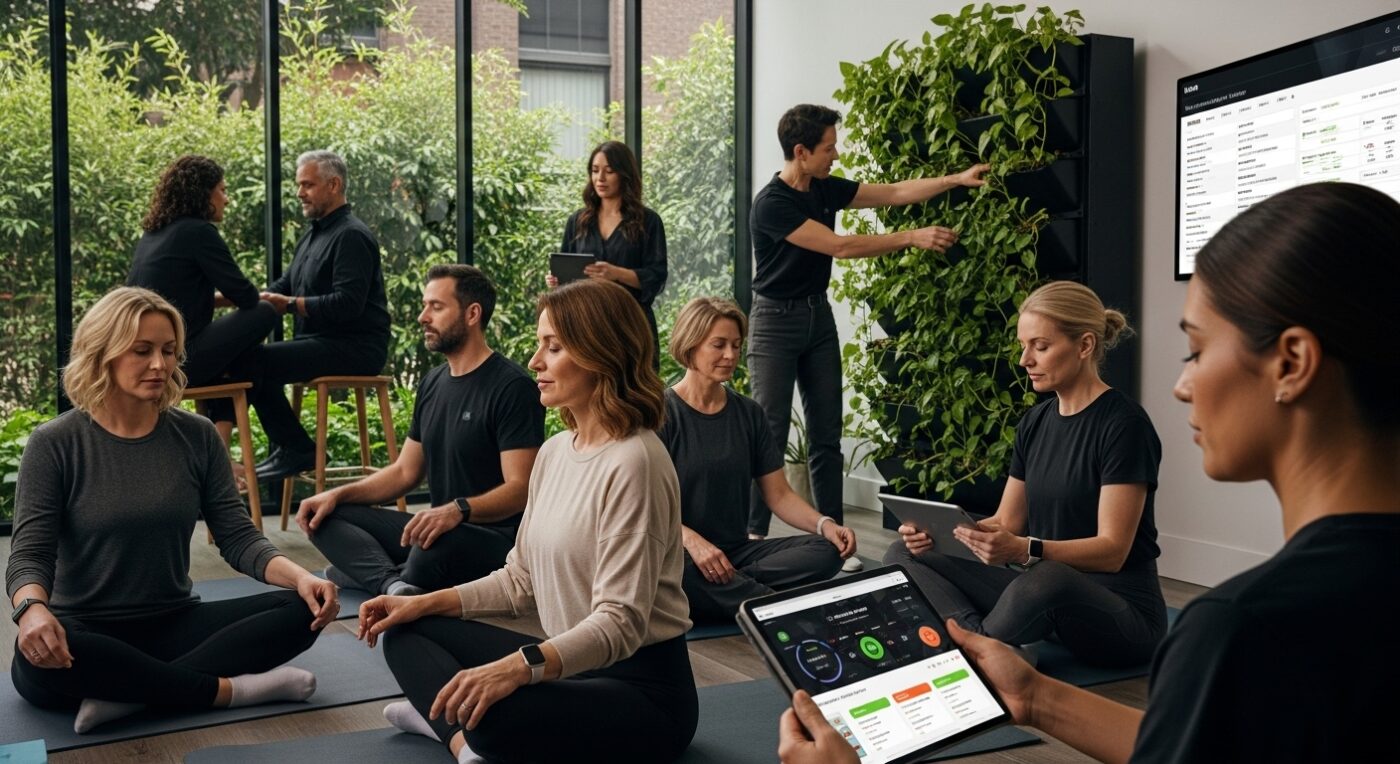
The intersection of technology and mindfulness represents a groundbreaking approach to mental wellness in 2025, transforming traditional meditation practices through innovative digital solutions. This emerging trend bridges ancient contemplative techniques with cutting-edge technological platforms, making mindfulness more accessible, personalized, and engaging.
Research from Sensors journal reveals how digital technologies are revolutionizing mindfulness interventions, enabling unprecedented levels of personalization and support for mental health practices.
Key technological innovations in mindfulness include:
- Virtual reality meditation environments
- AI-powered meditation guidance
- Biofeedback tracking applications
- Personalized mindfulness recommendation systems
The digital mindfulness ecosystem encompasses a wide range of tools designed to support mental well-being. Smartphone applications now offer sophisticated features like heart rate monitoring, stress level tracking, and real-time meditation coaching. Advanced wearable devices can detect physiological markers of stress and guide users through immediate relaxation techniques.
Virtual reality platforms are particularly transformative, creating immersive meditation experiences that transport users to serene environments. These technologies can simulate peaceful landscapes, underwater scenes, or tranquil mountain retreats, providing sensory-rich backdrops for deep contemplative practices.
Artificial intelligence is playing an increasingly sophisticated role in personalizing mindfulness experiences. Machine learning algorithms can analyze individual meditation patterns, emotional states, and stress responses to generate tailored recommendations and adaptive meditation sequences.
As wellness enthusiasts seek more integrated and technologically supported approaches to mental health, the convergence of mindfulness and digital innovation offers a promising pathway to enhanced psychological resilience and emotional well-being.
4: Exploring Plant-Powered Supplements
Plant-powered supplements are rapidly emerging as a sophisticated alternative wellness trend, offering holistic health solutions derived from natural botanical sources. This innovative approach transcends traditional supplement methodologies, focusing on bioactive compounds that provide comprehensive nutritional support and potential therapeutic benefits.
Research highlighting bioactive compounds demonstrates the profound health-promoting properties of plant-derived supplements, including antioxidative, anti-inflammatory, and immunomodulatory effects.
Key characteristics of plant-powered supplements include:
- Whole food ingredient sourcing
- Minimally processed extraction methods
- Comprehensive nutrient profiles
- Targeted health optimization strategies
The emerging landscape of plant-powered supplements emphasizes holistic wellness through carefully curated botanical extracts. These supplements leverage the intricate molecular structures found in plants, capturing complex nutritional networks that traditional synthetic supplements often miss.
Modern plant-powered supplements incorporate advanced extraction technologies that preserve the delicate phytochemical structures. Innovative techniques like cold-pressing, supercritical CO2 extraction, and enzymatic processing ensure maximum nutritional integrity and bioavailability.
Consumers are increasingly seeking supplements that align with their values of sustainability, transparency, and natural health optimization. Plant-powered supplements meet these demands by offering traceable ingredient sources, environmentally conscious production methods, and scientifically validated health benefits.
The trend extends beyond simple nutritional supplementation, representing a broader philosophical shift towards understanding human health as an interconnected ecosystem. By prioritizing plant-based solutions, individuals can access concentrated nutritional resources that support comprehensive physical and mental well-being.
5: Sustainable Practices in Wellness
Sustainable practices are revolutionizing the wellness industry, transforming how individuals and organizations approach holistic health and environmental responsibility. This emerging trend goes beyond traditional green initiatives, integrating comprehensive ecological consciousness into every aspect of wellness design and delivery.
Research from the International Journal of Environmental Research and Public Health highlights the critical importance of sustainable approaches in creating meaningful, environmentally responsible wellness experiences.
Key sustainable wellness principles include:
- Minimizing environmental footprint
- Prioritizing ethical product sourcing
- Supporting regenerative ecological practices
- Promoting circular economic models
The wellness industry is witnessing a profound shift towards regenerative sustainability, where practices not only reduce negative environmental impact but actively contribute to ecosystem restoration. This approach encompasses everything from product manufacturing and packaging to service delivery and community engagement.
Consumers are increasingly demanding transparency and genuine commitment to sustainable practices. Wellness brands are responding by implementing comprehensive strategies that address environmental, social, and economic dimensions of sustainability. This includes using renewable energy in facilities, developing biodegradable packaging, supporting fair trade practices, and creating products with minimal carbon footprint.
Innovative sustainable wellness practices are emerging across multiple domains, including eco-friendly fitness equipment, organic and locally sourced nutrition programs, and wellness retreats designed to have minimal environmental disruption. These initiatives demonstrate that personal well-being and planetary health are fundamentally interconnected.
As wellness enthusiasts become more environmentally conscious, sustainable practices are no longer a niche consideration but a fundamental expectation. The integration of ecological responsibility with personal health represents a holistic approach to wellness that recognizes the deep interdependence between individual and planetary well-being.
6: Incorporating Sleep Wellness Techniques
Sleep wellness has emerged as a critical component of holistic health, transcending traditional approaches to rest and recovery. In 2025, innovative techniques are revolutionizing how individuals understand and optimize their sleep experiences, integrating advanced technologies, neuroscientific insights, and personalized strategies.
Research into digital therapeutic interventions reveals groundbreaking approaches to enhancing sleep quality through comprehensive, multifaceted wellness techniques.
Key sleep wellness strategies include:
- Circadian rhythm optimization
- Advanced stress management techniques
- Neurotechnology-enabled sleep tracking
- Personalized sleep environment design
Holistic sleep wellness approaches now combine multiple disciplines, recognizing sleep as a complex physiological and psychological process. Advanced wearable technologies can now track detailed sleep metrics, including REM cycles, brain wave patterns, and physiological stress responses, providing unprecedented insights into individual sleep architectures.
Emergent techniques go beyond traditional sleep hygiene recommendations, incorporating cutting-edge strategies like biofeedback, neurofeedback, and adaptive environmental controls. Smart home technologies can now automatically adjust lighting, temperature, and sound to create optimal sleep conditions based on individual biometric data.
Mindfulness and cognitive techniques are being integrated with technological solutions to address underlying psychological factors affecting sleep. Meditation applications, guided relaxation programs, and personalized stress reduction strategies are becoming increasingly sophisticated, offering targeted interventions for sleep-related challenges.
As wellness enthusiasts recognize sleep’s fundamental role in overall health, these comprehensive approaches represent a significant evolution in understanding rest as an active, restorative process. The integration of technology, neuroscience, and personalized wellness strategies promises to transform how individuals approach and experience sleep.
7: Community-Centric Health Approaches
Community-centric health approaches are revolutionizing wellness strategies by placing collective well-being and collaborative participation at the forefront of health interventions. This transformative model shifts away from individualistic healthcare perspectives, recognizing that holistic health emerges through interconnected social networks and shared wellness experiences.
Research exploring community engagement methodologies demonstrates the profound potential of systemic, collaborative approaches to addressing complex health challenges.
Key principles of community-centric health include:
- Participatory decision making
- Shared leadership models
- Collaborative resource development
- Inclusive wellness strategy design
Modern community-centric health approaches leverage technology and social networks to create comprehensive wellness ecosystems. Digital platforms enable real-time communication, knowledge sharing, and collective problem solving, breaking down traditional barriers between healthcare providers and community members.
These approaches recognize that health is fundamentally a social experience, extending beyond individual medical interventions. By fostering strong community connections, wellness strategies can address underlying social determinants of health, such as economic stability, social support, and environmental conditions.
Innovative community health models are emerging across diverse contexts, from urban neighborhoods to rural regions. These strategies prioritize local knowledge, cultural sensitivity, and collaborative problem solving. Community members are no longer passive recipients of healthcare but active co-creators of wellness solutions.
As wellness trends continue to evolve, community-centric approaches represent a powerful paradigm shift. By emphasizing collective resilience, shared learning, and mutual support, these strategies offer a more holistic, sustainable approach to health and well-being that recognizes our fundamental interconnectedness.
Here is a comprehensive table summarizing the 7 alternative wellness trends for 2025 covered in the article, including their core concepts and primary benefits.
| Trend | Core Concept | Main Benefits |
|---|---|---|
| Nature-Based Therapies | Engagement with natural environments for holistic healing | Reduces anxiety, improves mood, boosts emotional balance |
| Personalized Nutrition | Individualized diets using genetic and metabolic data | Optimizes health outcomes, supports tailored nutrition, prevents disease |
| Technology & Mindfulness Integration | Use of digital tools (apps, VR, wearables) to enhance mindfulness | Increases accessibility, enables personalized stress relief |
| Plant-Powered Supplements | Botanical supplements emphasizing whole foods and minimal processing | Provides antioxidative, anti-inflammatory, and holistic health support |
| Sustainable Wellness Practices | Eco-conscious, ethical, and regenerative approaches in wellness | Minimizes environmental impact, promotes long-term health for all |
| Sleep Wellness Techniques | Advanced sleep tracking, circadian alignment, and neurotech interventions | Enhances sleep quality, supports restorative and mental wellness |
| Community-Centric Health Approaches | Wellness models focusing on collective social engagement | Fosters social support, shared resources, and equitable health outcomes |
Discover Plant-Powered Wellness That Goes Beyond Trends
As you explore groundbreaking approaches in “7 Alternative Wellness Trends for 2025 You Need to Know,” you might be searching for real, everyday solutions to challenges like stress, sleep issues, and staying balanced in a fast-changing world. The article shines a light on essential wellness needs such as holistic sleep support, plant-powered supplements, and sustainable practices. If you crave natural ways to elevate your focus, mood, and creativity while avoiding artificial ingredients, now is the time to take action.

Bring the promise of these trends into your daily routine with our mushroom-infused gummies and grow kits at Wunder Mushroom Gummies. Our selection makes it simple to integrate the proven benefits of functional mushrooms into your lifestyle for deep relaxation, immune support, and mindful energy. Explore our mushroom gummies collection for a taste of nature-based therapies, discover grow kits that connect you with sustainable wellness at home, or read our blog to learn about responsible use and ingredient transparency. Step into a community focused on holistic health and get the wellness boost you’ve been looking for. Visit Wunder Mushroom Gummies today and take a powerful step toward your personal wellness transformation.
Frequently Asked Questions
What are nature-based therapies and how do they promote wellness?
Nature-based therapies utilize outdoor environments as therapeutic settings, promoting direct interaction with natural landscapes to enhance mental health, reduce anxiety, and boost emotional well-being through mindful engagement with nature.
How does personalized nutrition differ from traditional dietary advice?
Personalized nutrition tailors dietary recommendations to individual metabolic profiles using genetic testing, microbiome analysis, and real-time tracking, unlike traditional approaches that offer one-size-fits-all solutions.
What technologies are used in mindfulness practices to enhance mental well-being?
Technological innovations in mindfulness include virtual reality meditation environments, AI-powered guidance, and biofeedback applications that provide personalized recommendations for improving mental health practices.
What are plant-powered supplements and their potential benefits?
Plant-powered supplements focus on natural botanical sources and bioactive compounds that offer holistic health benefits such as antioxidative and anti-inflammatory effects, emphasizing whole food sourcing and minimally processed extraction methods.
Recommended
- 7 Mushrooms for Mood Enhancement You Need to Try – WUNDER GUMMIES
- WUNDER MUSHROOM GUMMIES – THE OFFICIAL WEBSITE
- GROW KITS Archives – WUNDER GUMMIES
- GUMMIES Archives – WUNDER GUMMIES
