
Uncategorized
Guide to Integrating Mushrooms into Diet for Wellness
Sep
Mushrooms are popping up everywhere in wellness circles and for good reason. Some varieties like lion’s mane and reishi are linked to immune support, cognitive boosts, and even stress reduction. That might sound like just another health fad waiting to fade. But the real surprise is how personalized mushroom integration can get, transforming a casual sprinkle on your pizza into a totally unique wellness journey tailored to your own goals and needs.
Table of Contents
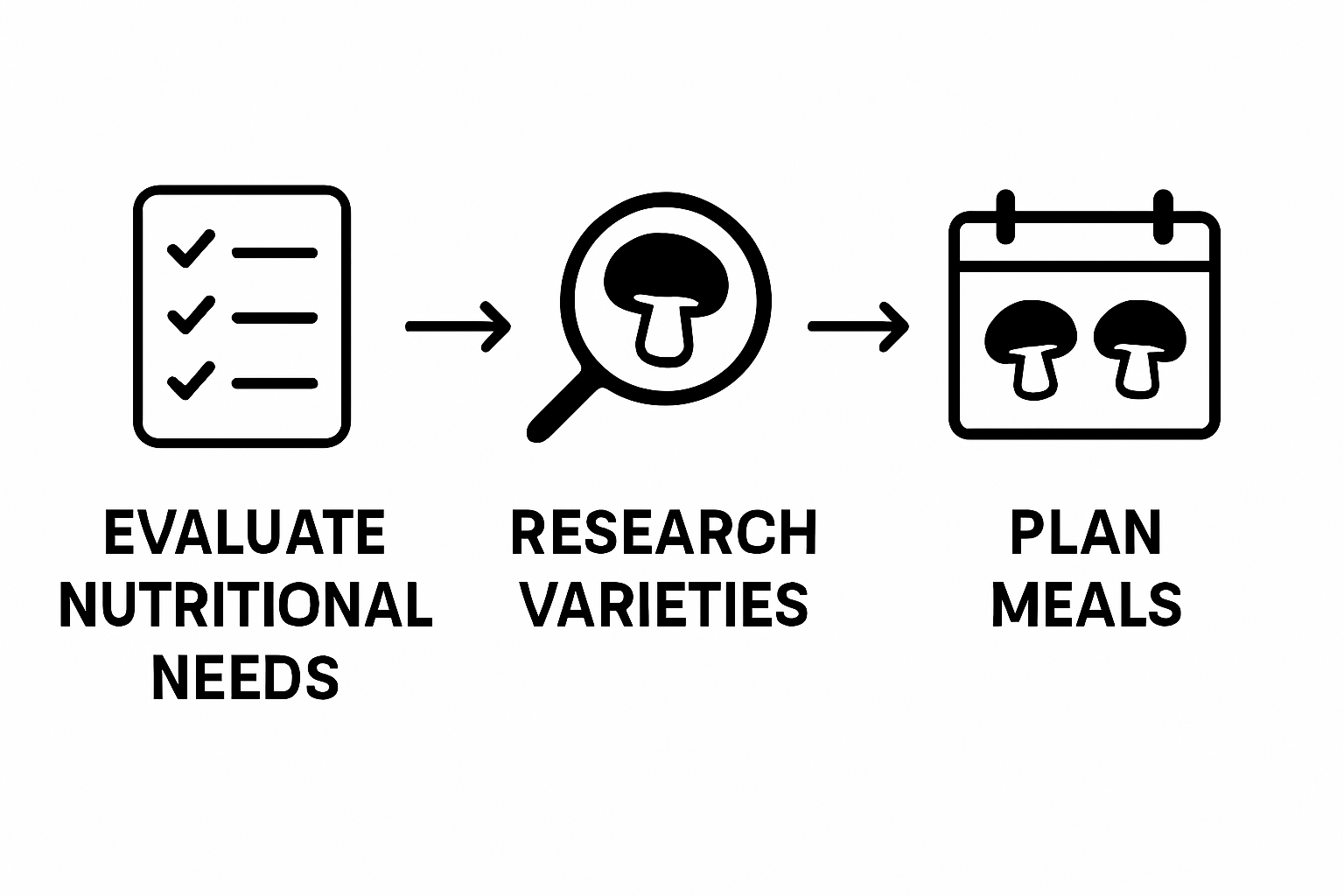
- Step 1: Evaluate Your Nutritional Goals
- Step 2: Research Different Mushroom Varieties
- Step 3: Plan Your Weekly Meals With Mushrooms
- Step 4: Prepare Mushrooms For Cooking And Consumption
- Step 5: Incorporate Mushrooms Into Daily Recipes
- Step 6: Monitor Your Health And Adjust Intake
Quick Summary
| Key Point | Explanation |
|---|---|
| 1. Assess Your Nutritional Goals | Evaluate your health needs to choose mushroom varieties that support your specific objectives like immunity or stress management. |
| 2. Research Varieties of Mushrooms | Explore different edible and medicinal mushrooms, noting their unique nutritional profiles and health benefits to enhance your diet. |
| 3. Plan Weekly Meals with Mushrooms | Create a flexible meal plan incorporating various mushroom types to maximize flavor and nutrient diversity in your diet. |
| 4. Prepare Mushrooms Properly | Use appropriate cleaning and cooking techniques for each mushroom variety to maintain nutritional value and enhance taste. |
| 5. Monitor Your Health and Adapt | Keep track of how mushrooms affect your well-being and consult health professionals for personalized adjustments to your intake strategy. |
Step 1: Evaluate Your Nutritional Goals
Integrating mushrooms into your diet begins with a strategic assessment of your personal nutritional landscape. Understanding your unique health requirements transforms mushroom consumption from a random dietary addition to a targeted wellness approach. This initial evaluation helps you select the most appropriate mushroom varieties that align precisely with your body’s specific nutritional needs and wellness objectives.
Your nutritional goal assessment involves examining several key health dimensions. Consider your current dietary patterns, existing nutrient deficiencies, and specific wellness targets. Are you seeking immune system support, cognitive enhancement, stress reduction, or metabolic optimization? Some individuals might need mushrooms rich in vitamin D and selenium, while others might prioritize adaptogenic varieties that support stress management and hormonal balance.
To conduct a comprehensive nutritional goal evaluation, start by consulting with a healthcare professional or registered dietitian who can provide personalized insights. They can help analyze your current health status through blood tests, nutritional screenings, and comprehensive health assessments. These professionals can identify specific micronutrient deficiencies or physiological requirements that specific mushroom types might address. For instance, individuals with compromised immune systems might benefit from reishi or shiitake mushrooms, while those seeking cognitive support could explore lion’s mane varieties.
For more detailed guidance on selecting the right mushroom supplements for your specific needs, check out our comprehensive mushroom supplement dosing guide. This resource can help you understand how different mushroom varieties interact with individual health profiles and wellness objectives.
Successful nutritional goal evaluation involves honest self reflection and professional guidance. Track your current health metrics, document your wellness objectives, and remain open to adjusting your approach as your body responds to new dietary interventions. Remember that integrating mushrooms is a personalized journey, not a one size fits all solution.
Step 2: Research Different Mushroom Varieties
Diving into the world of mushroom varieties requires a systematic and curious approach that transforms nutritional research into a fascinating exploration of wellness potential. This step moves beyond basic nutritional goal setting, introducing you to the diverse ecosystem of edible and medicinal mushrooms that can dramatically enhance your dietary strategy.
Your research journey begins with understanding the fundamental categories of mushrooms. Culinary mushrooms like button, shiitake, and portobello offer familiar entry points, while medicinal varieties such as reishi, lion’s mane, and chaga present more specialized wellness opportunities. Each variety carries a unique nutritional profile with distinct bioactive compounds that target specific health dimensions.
Here is a comparison table summarizing popular mushroom varieties, their main health benefits, and optimal preparation methods mentioned in the guide for quick reference.
| Mushroom Variety | Main Health Benefit | Suggested Preparation Method |
|---|---|---|
| Lion’s Mane | Cognitive support | Breaded/pan-fried, add to broths |
| Reishi | Immune & stress management | Powdered in broths or teas |
| Shiitake | Immune system support | Roasted, grilled, in stir-fries |
| Oyster | Nutrient diversity | Sautéed, steamed, salads |
| Button | Culinary enjoyment | Omelets, sautéed |
| Portobello | Umami & texture | Grilled, roasted |
| Chaga | Specialized wellness | Not specified in detail |
To conduct comprehensive mushroom variety research, leverage multiple information sources. Academic publications, nutrition databases, herbalist guides, and reputable wellness websites can provide deep insights. Learn more about understanding different edible mushroom types in our comprehensive guide, which breaks down the intricate world of mushroom varieties and their potential health benefits. Focus on credible sources that offer scientific backing and practical consumption recommendations.
Successful mushroom variety research involves comparing nutritional content, potential health interactions, and practical integration strategies. Consider factors like bioavailability, potential allergens, and recommended dosages. Pay attention to how different mushroom types might interact with existing medications or health conditions. Some individuals might experience sensitivities, so gradual introduction and professional consultation remain crucial. The goal is not just collecting information, but developing a nuanced understanding that allows personalized, informed dietary choices centered around mushroom wellness.
Step 3: Plan Your Weekly Meals with Mushrooms
Transforming your nutritional research into practical meal planning represents the critical bridge between understanding mushrooms and actually experiencing their wellness benefits. This step moves beyond theoretical knowledge, converting your newfound mushroom insights into delicious, intentional dietary strategies that seamlessly integrate these powerful fungi into your everyday eating routine.
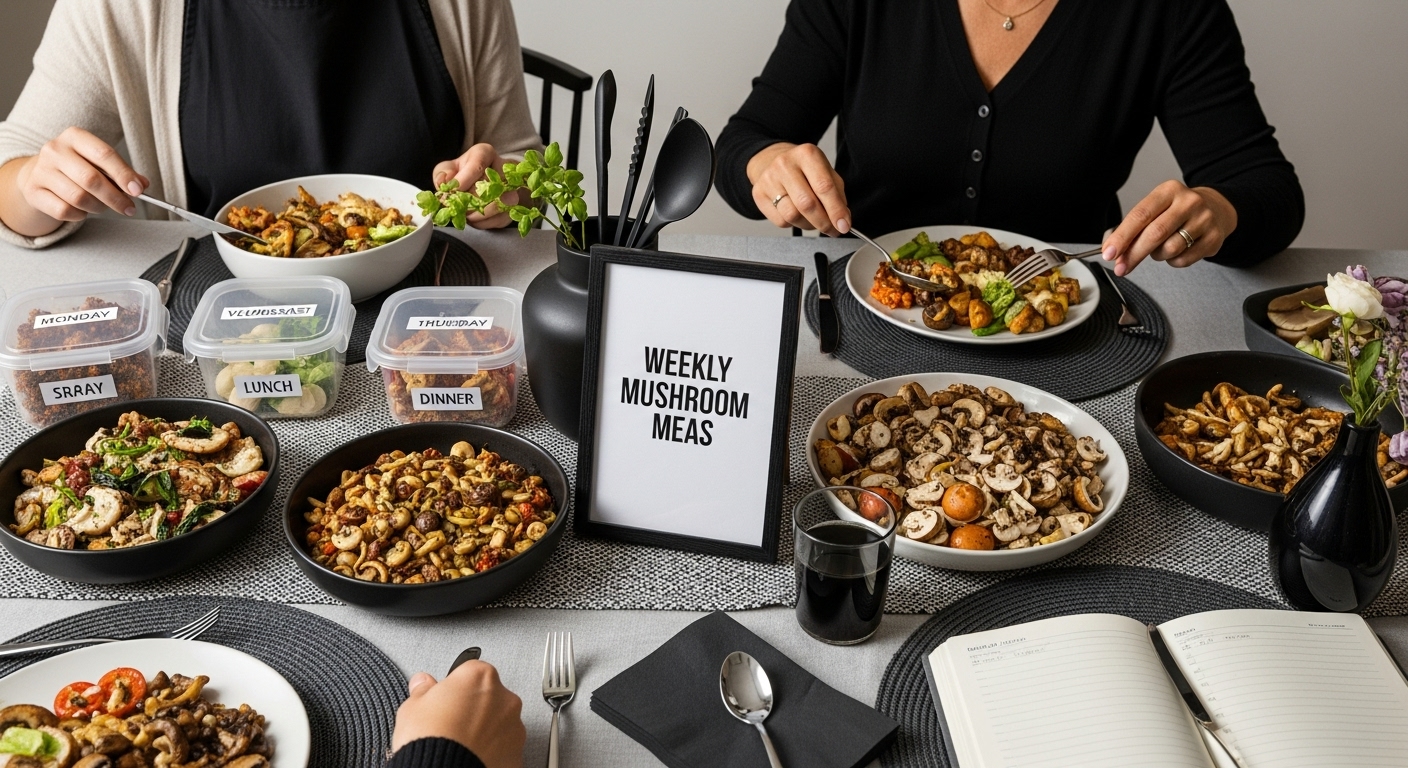
Begin by creating a flexible weekly meal framework that accommodates different mushroom varieties. Your approach should balance culinary enjoyment with nutritional objectives. Consider incorporating diverse mushroom types across multiple meals to maximize nutrient variety. For example, blend mild button mushrooms into morning omelets, use robust shiitake in afternoon stir-fries, and sprinkle delicate oyster mushrooms into evening salads. This rotation ensures you’re not only consuming mushrooms but experiencing their full flavor and nutritional spectrum.
Practical meal integration requires strategic preparation and creativity. Develop a comprehensive shopping list that includes fresh, dried, and supplement mushroom options. Prepping ingredients in advance minimizes friction in daily cooking. Roast a batch of mixed mushrooms on Sunday that can be quickly added to meals throughout the week. Experiment with techniques like marinating, sautéing, and slow-cooking to maintain mushroom nutrients while creating appealing textures. For more detailed strategies on incorporating mushrooms into your diet, explore our comprehensive guide on mushroom dietary integration.
Successful meal planning involves continuous adaptation. Track how different mushroom varieties make you feel, noting energy levels, digestive responses, and overall wellness. Be willing to adjust your approach based on personal responses. Some individuals might find certain mushrooms more agreeable than others, so maintaining a flexible, personalized strategy is key. Your weekly meal plan should feel like an exciting culinary adventure, not a restrictive dietary prescription.
Use this weekly mushroom meal planning checklist to help ensure you are diversifying your mushroom intake and optimizing both flavor and nutritional benefits as described in the guide.
| Day of the Week | Mushroom Variety (Example) | Meal Example | Preparation Method | Notes |
|---|---|---|---|---|
| Monday | Button | Omelet | Sautéed | Mild flavor, easy breakfast add-in |
| Tuesday | Shiitake | Stir-fry | Roasted or stir-fried | Rich umami taste |
| Wednesday | Oyster | Salad | Steamed or raw slice | Delicate, pairs with fresh greens |
| Thursday | Lion’s Mane | Sandwich filling | Breaded/pan-fried | Seafood-like texture |
| Friday | Portobello | Grilled burger | Grilled | Meaty, great for dinner |
| Saturday | Cremini | Pasta sauce | Chopped/sauteed | Good meat substitute |
| Sunday | Mix (leftovers) | Grain bowl | Roasted/Sautéed Mix | Use prepped leftovers for convenience |
Step 4: Prepare Mushrooms for Cooking and Consumption
Mushroom preparation is a nuanced process that transforms raw fungi into delectable, nutritionally potent ingredients. This critical step bridges your wellness intentions with actual dietary practice, requiring careful handling to preserve nutritional integrity and ensure safe consumption. Understanding proper cleaning, cutting, and cooking techniques becomes essential to maximize both flavor and health benefits.
Begin with meticulous cleaning techniques that respect each mushroom variety’s unique structure. Gentle handling is paramount. Instead of washing mushrooms under running water, which can compromise their delicate texture, use a soft brush or slightly damp paper towel to remove surface dirt. For varieties with intricate surfaces like morels or chanterelles, a careful brushing motion prevents moisture absorption while effectively removing debris. Some mushrooms absorb water quickly, which can dilute their concentrated flavors and impact cooking performance.
Cooking methods significantly influence mushroom nutrition and palatability. Different varieties require tailored approaches to unlock their full potential. Robust mushrooms like shiitake and portobello respond beautifully to high-heat techniques such as grilling or roasting, which caramelize their surfaces and intensify umami flavors. Delicate varieties like oyster mushrooms benefit from quick sautéing or light steaming to maintain their tender texture. For deeper insights into mushroom bioavailability and optimal preparation techniques, explore our comprehensive guide. Experiment with various cooking methods to discover which techniques best preserve the unique characteristics of each mushroom type.
Successful mushroom preparation involves continuous learning and sensory awareness. Pay attention to texture changes, aroma development, and flavor transformations during cooking. Your goal is not just nutritional intake but creating an enjoyable culinary experience that makes incorporating mushrooms into your diet a pleasure, not a chore. Trust your intuition, remain curious, and allow each mushroom variety to reveal its distinctive qualities through thoughtful preparation.
Step 5: Incorporate Mushrooms into Daily Recipes
Transforming mushrooms from occasional ingredients into daily dietary staples requires creativity, strategy, and a willingness to experiment. This step bridges your nutritional research and meal preparation, turning mushroom consumption from a deliberate health practice into an intuitive, enjoyable culinary experience that seamlessly enhances your wellness routine.
Versatility becomes your greatest culinary asset when integrating mushrooms across different meals. Start by thinking beyond traditional uses. Blend dried mushroom powders into morning smoothies for a subtle earthy undertone, dice fresh mushrooms into scrambled eggs, or use finely chopped varieties as a protein-rich meat substitute in tacos and stir-fries. Cremini and shiitake mushrooms, with their robust flavors, can replace ground meat in pasta sauces, while delicate oyster mushrooms work beautifully in light salads and grain bowls. For inspiration on selecting mushrooms that can positively impact your mood and overall wellness, explore our comprehensive guide.
Successful recipe integration involves understanding each mushroom’s unique flavor profile and textural characteristics. Lion’s mane, with its seafood-like texture, can be breaded and pan-fried as a stunning alternative to fish. Reishi, though more bitter, can be powdered and added to broths or teas. Experiment with different cooking techniques: roasting concentrates flavors, sautéing maintains moisture, and slow-cooking allows mushrooms to release deep, complex tastes. The key is approaching mushroom incorporation as a culinary adventure rather than a nutritional obligation. Track your favorite preparations, noting which recipes make mushroom consumption feel effortless and enjoyable. Your goal is creating a sustainable, delicious approach to mushroom wellness that feels natural and exciting.
Step 6: Monitor Your Health and Adjust Intake
Mushroom integration is not a static process but a dynamic journey of continuous personal wellness optimization. This step transforms mushroom consumption from a rigid dietary intervention into a responsive, personalized health strategy that evolves with your body’s changing needs and signals. Thoughtful observation becomes your primary wellness tool, allowing you to fine-tune your mushroom intake for maximum benefit.
Establish a comprehensive tracking system that captures both quantitative and qualitative health indicators. Create a wellness journal documenting subtle changes in energy levels, cognitive function, digestive health, immune response, and overall mood. Note specific details like sleep quality, stress resilience, mental clarity, and physical performance. Pay attention to how different mushroom varieties impact your body. Some individuals might experience enhanced focus with lion’s mane, while others might find reishi more effective for stress management. Your tracking should include precise mushroom types, consumption quantities, preparation methods, and corresponding bodily responses.
Regular professional consultation provides crucial external perspective to your self monitoring. Schedule periodic check-ups with healthcare professionals who can conduct comprehensive blood tests, assess nutritional markers, and offer objective insights into your mushroom integration strategy. These medical professionals can help identify potential interactions with existing medications, evaluate nutrient absorption, and recommend personalized adjustments. For deeper understanding of how mushrooms interact with individual health profiles, explore our comprehensive wellness guide. Be prepared to modify your approach based on professional guidance, recognizing that wellness is a collaborative, adaptive process. Your goal is creating a responsive, intelligent approach to mushroom consumption that celebrates your body’s unique biochemical landscape.
Take the Next Step Toward Mushroom Wellness
You have learned how integrating mushrooms into your diet can dramatically support your wellness goals, from boosting focus and creativity to managing stress and enhancing immunity. But it can be overwhelming to find convenient ways to include the right types of mushrooms into your daily routine. Sourcing specific varieties, preparing them correctly, and tracking your health outcomes are real challenges for anyone starting this journey.
Explore the full collection of mushroom-infused products at Wunder Gummies, where wellness meets convenience. Every product is designed to make your mushroom integration seamless and enjoyable with carefully dosed, vegan-friendly gummies and grow kits that fit any lifestyle.
Ready to experience the benefits described in the guide without the hassle of sourcing or meal planning? Visit Wunder Gummies to discover top-rated, educator-approved mushroom solutions. Take control of your wellness today and join a community dedicated to natural health. Shop now to start your own mushroom-powered journey.
Frequently Asked Questions
What are the health benefits of incorporating mushrooms into my diet?
Mushrooms offer various health benefits, including immune system support, cognitive enhancement, stress reduction, and metabolic optimization. Different varieties cater to specific health needs, so it’s essential to choose based on your wellness goals.
How can I effectively prepare mushrooms for cooking?
To prepare mushrooms, gently clean them using a soft brush or a damp paper towel instead of washing under water. The cooking method depends on the variety: robust mushrooms like shiitake can be grilled or roasted, while delicate mushrooms like oyster should be sautéed or steamed for best results.
How do I select the right type of mushroom for my health goals?
Start by evaluating your nutritional needs. Consult with a healthcare professional to identify deficiencies or goals, then explore mushroom types that align with those needs. For example, lion’s mane mushrooms are known for cognitive support, while reishi may help with stress management.
How can I incorporate mushrooms into my daily meals?
Incorporate mushrooms into your meals by adding them to omelets, stir-fries, salads, and even smoothies. Experiment with different varieties and cooking techniques to create diverse dishes, ensuring you enjoy both the flavors and health benefits they provide.
Recommended
- How to Incorporate Mushrooms into Diet for Health Benefits – WUNDER GUMMIES
- Understanding Types of Edible Mushrooms: The Essentials – WUNDER GUMMIES
- 7 Mushrooms for Mood Enhancement You Need to Try – WUNDER GUMMIES
- Understanding the Role of Mushrooms in Gut Health – WUNDER GUMMIES
