
Uncategorized
How to Incorporate Mushrooms into Routine for Wellness
Oct
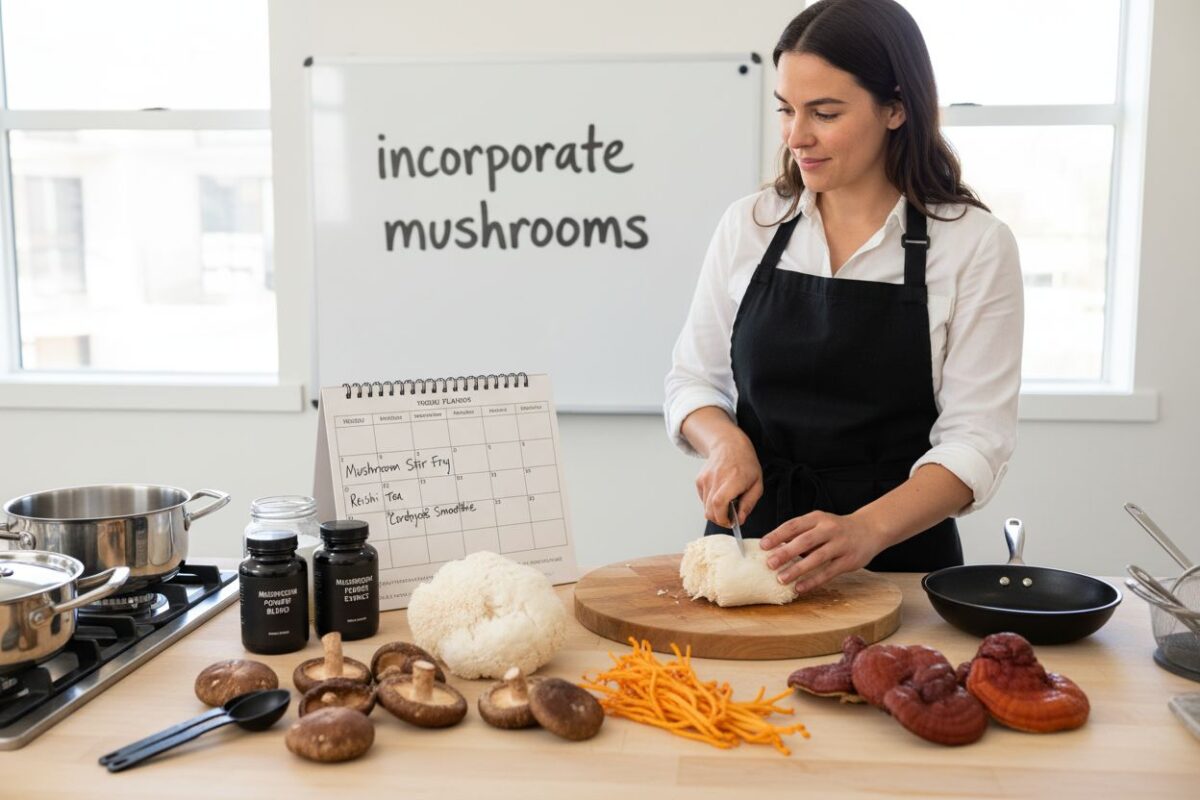
Mushrooms are showing up everywhere now and not just in gourmet kitchens. More people are turning to functional fungi hoping to tap into those wellness superpowers. But most folks have no idea that certain mushrooms like Lion’s Mane have been shown to support cognitive health and Reishi can lower stress and boost immunity. Turns out just grabbing any mushroom supplement off the shelf will not cut it—the real magic happens when you match the right variety and form to your specific health goals.
Table of Contents
- Step 1: Identify The Types Of Mushrooms For Wellness
- Step 2: Choose The Right Form Of Mushroom Supplements
- Step 3: Create A Weekly Meal Plan Incorporating Mushrooms
- Step 4: Prepare Delicious Mushroom Recipes At Home
- Step 5: Monitor Your Health Changes And Adjust Intake
Quick Summary
| Key Point | Explanation |
|---|---|
| 1. Choose mushrooms for specific health goals | Different mushrooms provide unique health benefits targeting areas like immunity, cognition, and stress management. |
| 2. Select the right supplement form | Powders, liquids, and gummies each offer distinct advantages. Choose based on personal convenience and absorption needs. |
| 3. Plan meals with mushroom integration | Include mushrooms in daily meals, prepping ingredients in advance to ensure quick and nutritious options. |
| 4. Monitor health changes over time | Track your body’s response to mushrooms and adjust intake or types based on effects on energy, mood, and wellness. |
| 5. Consult professionals for personalized guidance | Regular consultations with healthcare providers can help you tailor supplement choices and dosing based on individual health needs. |
Step 1: Identify the Types of Mushrooms for Wellness
Starting your wellness journey with mushrooms requires understanding the diverse world of functional fungi. Not all mushrooms are created equal, and selecting the right types can significantly impact your health goals. Understanding which mushrooms offer specific benefits is crucial for creating an effective wellness routine.
Medicinal mushrooms represent a powerful category of natural supplements with targeted health benefits. Reishi mushrooms support immune function and help manage stress, while Lion’s Mane is renowned for potential cognitive enhancement and neurological support. Shiitake mushrooms offer immune-boosting properties and contain essential nutrients that promote overall wellness. According to research from the National Institutes of Health, these mushrooms contain bioactive compounds like beta-glucans that interact with the human immune system.
When identifying mushrooms for your wellness routine, consider your specific health objectives. Are you seeking improved mental clarity, stress reduction, immune support, or general vitality? Different mushroom varieties target distinct physiological systems. For individuals interested in cognitive performance, Lion’s Mane might be an ideal choice. Those managing stress could benefit from adaptogenic mushrooms like Reishi. Athletes or individuals wanting immune support might gravitate toward Cordyceps or Turkey Tail mushrooms.
Research and consultation are key steps in selecting the right mushrooms. Medical professionals, holistic health practitioners, or reputable functional mushroom experts can provide personalized guidance. Assess your current health status, potential interactions with existing medications, and any underlying conditions before introducing new supplements into your routine. Quality matters immensely start with organic, lab-tested mushroom products from trustworthy sources to ensure maximum potency and minimal contamination risks.
Successful mushroom identification involves understanding not just the type, but also the optimal form of consumption. Some individuals prefer dried mushroom powders, while others might opt for liquid extracts or convenient gummy supplements. Your chosen method should align with your lifestyle, taste preferences, and absorption requirements.
Step 2: Choose the Right Form of Mushroom Supplements
Selecting the appropriate form of mushroom supplements is a critical step in your wellness journey. Different delivery methods impact absorption, convenience, and overall effectiveness. Our comprehensive guide to mushroom supplementation can help you navigate these choices.
Mushroom supplements come in multiple formats, each with unique advantages. Powders offer versatility, allowing you to blend them into smoothies, coffee, or recipes. They provide concentrated nutrition and can be easily customized to your taste preferences. Liquid extracts represent another potent option, typically delivering faster absorption and more concentrated compounds. These tinctures can be added directly under the tongue or mixed into beverages for quick integration into your routine.
Gummies have emerged as a popular, user-friendly supplement format. They mask the earthy mushroom taste, making consumption enjoyable for those who find traditional supplements challenging. According to research on supplement bioavailability, extraction methods significantly influence the potency of active compounds, so choosing high-quality, professionally processed supplements is paramount.
When evaluating supplement forms, consider your personal lifestyle and health objectives. Capsules might suit individuals seeking precise, measured dosages and maximum convenience. People with digestive sensitivities might prefer liquid or gummy formats that bypass traditional tablet digestion. Athletes or those managing specific health conditions could benefit from more concentrated extract forms that deliver targeted nutritional support.
Key factors in selecting mushroom supplements include ingredient transparency, third-party testing, and professional manufacturing standards. Look for products that clearly list mushroom species, extraction methods, and potential active compound percentages. Organic certifications, lab test results, and detailed production information demonstrate a supplement’s quality and reliability. Consulting healthcare professionals can provide personalized guidance tailored to your specific wellness goals and potential interactions with existing medications or health conditions.
Ultimately, the right mushroom supplement form is one that you will consistently and comfortably incorporate into your daily routine.
Below is a comparison of popular mushroom supplement forms to help you select the best option based on your needs and preferences.
| Supplement Form | Key Benefits | Best For | Notes |
|---|---|---|---|
| Powder | Versatile, customizable, concentrated nutrition | Blending into drinks or recipes | Adjust dose easily, earthy flavor |
| Liquid Extract | Fast absorption, potent concentration | Quick integration, targeted support | Can dose under tongue or mix in drinks |
| Gummies | Convenient, masks mushroom taste | Enjoyable daily use, taste-sensitive users | Easy dosing, less traditional |
| Capsules | Precise, portable, no taste | Simplified, on-the-go supplementation | Pre-measured doses, easy to swallow |
 Experiment with different formats, monitor your body’s response, and adjust as needed to optimize your wellness journey.
Step 3: Create a Weekly Meal Plan Incorporating Mushrooms
Designing a weekly meal plan that seamlessly integrates mushrooms requires strategic thinking and culinary creativity. Learn more about integrating mushrooms into your diet to maximize both flavor and nutritional benefits.
Begin by mapping out your nutritional goals and identifying mushroom varieties that complement your dietary preferences. Shiitake mushrooms work wonderfully in stir-fries, while delicate oyster mushrooms can elevate pasta dishes and risottos. Robust portobello mushrooms make excellent meat substitutes, providing a satisfying texture and deep umami flavor for vegetarian meals. According to nutritional research on functional foods, incorporating diverse mushroom types ensures a broader spectrum of health benefits.
Consider structuring your weekly meal plan with intentional mushroom integration. Breakfast options might include mushroom frittatas, omelets with sauteed shiitake, or smoothies enhanced with powdered Lion’s Mane. Lunch could feature salads topped with roasted mixed mushrooms or hearty mushroom soups. Dinner presents opportunities for more complex preparations like stuffed portobello caps, mushroom risottos, or grilled dishes featuring multiple mushroom varieties.
Preparation is key to maintaining consistency. Set aside time each week for meal prepping mushroom components. Slice and store different mushroom types in airtight containers, roast batches of seasoned mushrooms, or prepare mushroom-based sauces and marinades in advance. This approach reduces daily cooking time and ensures you have flavorful, nutritious ingredients readily available. Batch cooking mushroom elements transforms meal planning from a chore into an efficient, enjoyable process.
Flexibility remains crucial when developing your mushroom-focused meal plan. Not every meal needs to be mushroom-centric some days might feature minimal mushroom involvement, while others showcase them prominently. Track how different mushroom varieties impact your energy, mood, and overall wellness. Adjust your plan based on personal experience, ensuring your approach remains both enjoyable and beneficial.
Successful meal planning involves continuous refinement. Experiment with new recipes, explore international cuisines that traditionally incorporate mushrooms, and remain open to culinary adventures. Your weekly meal plan should feel like a personalized nutrition strategy that supports your wellness goals while satisfying your taste preferences.
Here is a sample weekly meal plan showcasing ways to incorporate different mushroom varieties for wellness and flavor.
| Day | Meal | Mushroom Variety | Preparation Method |
|---|---|---|---|
| Monday | Breakfast | Shiitake | Omelet with sautéed mushrooms |
| Tuesday | Lunch | Oyster | Salad with roasted mushrooms |
| Wednesday | Dinner | Portobello | Grilled stuffed portobello |
| Thursday | Breakfast | Lion’s Mane | Smoothie with mushroom powder |
| Friday | Lunch | Mixed | Hearty mushroom soup |
| Saturday | Dinner | Shiitake, Oyster | Mushroom risotto |
| Sunday | Snack/Any meal | Any variety | Roasted mushroom batch prep |
Step 4: Prepare Delicious Mushroom Recipes at Home
Transforming mushrooms from simple ingredients into culinary masterpieces requires understanding preparation techniques that maximize flavor and nutritional benefits. Explore innovative ways to incorporate mushrooms into your diet and elevate your home cooking experience.
Proper mushroom preparation begins with selection and cleaning. Always inspect mushrooms for freshness, avoiding specimens with soft spots or discoloration. Gently clean mushrooms using a damp paper towel or soft brush instead of washing them directly, which can compromise their delicate texture. According to nutritional guidelines, different mushroom varieties require unique handling techniques to preserve their unique characteristics and nutritional profiles.
Cooking methods dramatically influence mushroom taste and nutritional value. Sautéing remains the most versatile technique, allowing quick high-heat cooking that caramelizes mushrooms and concentrates their umami flavor. Use a cast-iron skillet or heavy-bottomed pan, adding a small amount of high-smoke-point oil like avocado or grapeseed. Season with fresh herbs like thyme or rosemary to enhance natural mushroom flavors. Roasting offers another excellent preparation method, particularly for heartier varieties like portobello and shiitake. Toss mushroom slices with olive oil, garlic, and sea salt, then roast at 425°F until edges become crispy and golden.
Experimentation is key to developing delicious mushroom recipes. Consider creating a mushroom base sauce that can be integrated into multiple dishes. Start with sautéed mixed mushrooms deglazed with white wine or vegetable broth, then blend into a creamy consistency with a splash of plant-based milk. This versatile sauce works wonderfully in pasta dishes, as a topping for grain bowls, or as a rich sauce for roasted vegetables.
For those seeking protein-rich alternatives, mushroom-based meat substitutes provide exciting culinary opportunities. Marinate thick portobello slices in balsamic vinegar, garlic, and herbs before grilling to create a steak-like texture. Finely chopped shiitake or oyster mushrooms can mimic ground meat in tacos, bolognese sauce, or stuffed pepper fillings. The key is understanding each mushroom variety’s unique texture and flavor profile.
Remember that cooking mushrooms is an art form requiring patience and creativity. Start with simple recipes, gradually building confidence in your culinary skills. Document your favorite preparations, noting which mushroom varieties and cooking techniques yield the most satisfying results. Your personal mushroom recipe collection will become a testament to your wellness journey, transforming nutritional supplementation into a delightful gastronomic experience.

Step 5: Monitor Your Health Changes and Adjust Intake
Tracking your body’s response to mushroom supplementation requires a systematic and mindful approach. Discover comprehensive strategies for monitoring functional nutrition to ensure you maximize wellness benefits while maintaining personal health boundaries.
Creating a comprehensive health tracking system involves more than casual observation. Start by establishing baseline metrics before beginning your mushroom wellness routine. Document current energy levels, sleep quality, stress responses, cognitive function, and any existing health conditions. Utilize a dedicated journal or digital tracking app to record daily observations, noting subtle changes in physical and mental well-being. According to clinical research on nutritional interventions, consistent self-monitoring provides invaluable insights into supplement effectiveness.
Your tracking process should encompass multiple dimensions of wellness. Physical indicators might include changes in immune response, inflammation markers, energy levels, and workout recovery times. Mental health metrics could involve tracking mood stability, stress resilience, sleep quality, and cognitive clarity. Some individuals experience enhanced focus or reduced anxiety, while others might notice improved physical endurance or immune system strength. Pay attention to both positive developments and potential side effects, understanding that individual responses to mushroom supplements can vary significantly.
Consult healthcare professionals periodically to interpret your tracking data. A naturopath, functional medicine practitioner, or nutritionist can help analyze your observations, providing expert guidance on dosage adjustments or supplement combinations. Blood tests can offer objective measurements, revealing how mushroom supplements interact with your unique physiological system. These tests might examine inflammatory markers, immune function, hormone levels, and other key health indicators that complement your subjective experiences.
Flexibility is crucial in your wellness journey. Be prepared to modify your approach based on consistent tracking and professional guidance. If you notice minimal benefits or unexpected reactions, consider adjusting mushroom types, dosages, or consumption methods. Some individuals might require lower initial doses, while others could benefit from more targeted supplementation. Your tracking journal becomes a personalized roadmap, helping you fine-tune your wellness strategy.
Remember that wellness is a dynamic, evolving process. Approach mushroom supplementation with curiosity, patience, and self-compassion. Celebrate small improvements, remain open to adjustments, and view your health tracking as an empowering tool for personal growth and understanding. Your commitment to systematic observation transforms mushroom supplementation from a passive experience into an active, informed wellness strategy.
Experience Mushroom Wellness the Easy Way
You have learned how integrating mushrooms into your routine can fuel your wellness journey with better focus, stress reduction, and improved immunity. But it is easy to feel overwhelmed by all the choices and preparation required. If you want the benefits without the hassle of research, cooking, or sourcing quality, now is the perfect time to explore practical solutions.
Skip the prep and discover WUNDER GUMMIES, where you can choose from a variety of mushroom-infused gummies made for real results and real life. All our products use only pure, vegan ingredients and offer the targeted wellness support discussed in your article, right down to convenient dosing and delicious flavors. Head to https://wundermushroomsgummies.com now and experience a simpler way to make mushrooms part of your daily routine. Embrace holistic wellness today and see the difference for yourself.
Frequently Asked Questions
What types of mushrooms are best for wellness?
Medicinal mushrooms such as Reishi, Lion’s Mane, Shiitake, Cordyceps, and Turkey Tail are known for their specific health benefits. Choosing the right type depends on your health goals, like immune support, cognitive enhancement, or stress management.
How should I consume mushrooms for maximum health benefits?
Mushrooms can be consumed in various forms including powder, liquid extracts, and gummies. Each format has unique advantages, such as faster absorption from liquids or convenience from gummies. The best choice depends on your personal preferences and health objectives.
How do I incorporate mushrooms into my meals?
You can integrate mushrooms into your meal plan by using them in a variety of dishes. For example, add them to breakfast frittatas, salads, soups, or as meat substitutes in vegetarian meals. Batch cooking and meal prepping can help you easily incorporate them into your weekly diet.
How can I monitor my health changes from mushroom supplementation?
To track your body’s response, maintain a health journal that documents metrics like energy levels, sleep quality, and mental clarity. Regularly consult healthcare professionals for guidance based on your observations and potential adjustments needed for your mushroom intake.
Recommended
- How to Incorporate Mushrooms into Diet for Health Benefits – WUNDER GUMMIES
- Guide to Integrating Mushrooms into Diet for Wellness – WUNDER GUMMIES
- 7 Benefits of Mushrooms for Daily Wellness – WUNDER GUMMIES
- 7 Essential Mushroom Nutrition Facts List for Wellness – WUNDER GUMMIES
