
Uncategorized
Understanding the Role of Medicinal Mushrooms in Immunity

Oct
Medicinal mushrooms might sound like a wellness trend, but their impact on health is backed by centuries of tradition and modern science. Some contain beta-glucans, powerful compounds shown to activate immune cells and protect against disease. Most people think mushrooms are only good sautéed on a plate, yet the real magic happens deep in your immune system where these fungi can quietly reshape how your body fends off illness.
Table of Contents
- What Are Medicinal Mushrooms And Their Benefits?
- Why Immunity Is Essential For Health And Wellness
- How Medicinal Mushrooms Enhance Immune Function
- Key Compounds In Medicinal Mushrooms And Their Effects
- The Real-World Impact Of Medicinal Mushrooms On Immune Health
Quick Summary
| Takeaway | Explanation |
|---|---|
| Medicinal mushrooms enhance immune responses. | They stimulate immune cells, providing support against pathogens and disease. |
| Key compounds include beta-glucans and triterpenoids. | These bioactive compounds play crucial roles in immune modulation and overall health. |
| Compromised immunity increases health risks. | Weakened immune systems lead to infections and chronic health issues, stressing the need for support. |
| Medicinal mushrooms serve both preventive and therapeutic roles. | They can improve immune resilience and assist in treating various health challenges naturally. |
| Natural immunity support differs from synthetic drugs. | Medicinal mushrooms harmoniously interact with body systems, avoiding disruptive effects of pharmaceuticals. |
What Are Medicinal Mushrooms and Their Benefits?
Medicinal mushrooms represent a fascinating category of fungi with extraordinary health-enhancing properties that extend far beyond typical nutritional value. These specialized mushroom species contain powerful bioactive compounds that can profoundly support human wellness, particularly in immune system regulation and disease prevention. Research from the National Center for Biotechnology Information reveals that traditional healing practices worldwide have long recognized these remarkable fungi for their therapeutic potential.
Understanding Medicinal Mushroom Characteristics
Medicinal mushrooms are distinct from culinary varieties, characterized by their unique biochemical composition and targeted health benefits. Unlike standard edible mushrooms, these species contain concentrated levels of beta-glucans, polysaccharides, triterpenes, and other specialized molecular structures that interact directly with human physiological systems. Some prominent examples include:
To help you differentiate the main types of medicinal mushrooms and their unique benefits for immune health, here is a comparison table summarizing the key features highlighted in the guide.
| Mushroom Type | Notable Compounds | Primary Immune Benefits | Distinguishing Feature |
|---|---|---|---|
| Reishi | Beta-glucans, Ganoderic acids | Immune modulation, inflammation balance | Adaptogenic, supports stress response |
| Shiitake | Beta-glucans, Lentinan | Stimulates immune cells, antiviral effects | Common culinary, widely studied |
| Lion’s Mane | Beta-glucans, Erinacines | Enhances immune and nerve function | Supports cognitive health |
| Cordyceps | Cordycepin, Beta-glucans | Boosts energy, supports immune activity | Traditionally used for endurance |
| Chaga | Beta-glucans, Ergothioneine | Antioxidant, supports immune resilience | Rich in antioxidants |
- Reishi (Ganoderma lucidum)
- Shiitake (Lentinula edodes)
- Lion’s Mane (Hericium erinaceus)
- Cordyceps (Cordyceps militaris)
- Chaga (Inonotus obliquus)
Immune System Enhancement Mechanisms
The role of medicinal mushrooms in immunity is fundamentally rooted in their ability to modulate immune responses. These fungi work by stimulating various immune cells like natural killer cells, macrophages, and T-lymphocytes, which are critical in defending the body against pathogens and abnormal cellular growth. As researchers from the National Cancer Institute have documented, certain mushroom extracts demonstrate potential in supporting conventional medical treatments and potentially improving overall immune function.
By engaging with our comprehensive guide on understanding mushrooms in alternative medicine, you can explore deeper insights into how these remarkable organisms contribute to holistic wellness strategies.
Why Immunity is Essential for Health and Wellness
The immune system represents a sophisticated and intricate network of biological processes that serve as the human body’s primary defense mechanism against external threats and internal disruptions. Research from the National Institutes of Health highlights its critical role in maintaining overall health and preventing disease progression. This complex system acts as a perpetual guardian, working tirelessly to protect our body from harmful pathogens, cellular mutations, and environmental challenges.
The Fundamental Role of Immune Defense
At its core, the immune system performs several fundamental functions that are essential for survival and wellness. These critical functions include identifying and neutralizing potential threats, maintaining cellular integrity, and promoting healing processes. The immune response involves multiple layers of protection, ranging from immediate physical barriers like skin and mucous membranes to sophisticated cellular responses that can target specific molecular invaders.
Key components of immune system functionality include:
- Recognizing foreign substances and potential threats
- Generating targeted immune responses
- Producing antibodies to neutralize specific pathogens
- Eliminating damaged or infected cells
- Creating immunological memory for faster future responses
Consequences of Compromised Immunity
When the immune system becomes weakened or dysregulated, individuals become significantly more vulnerable to various health challenges. Compromised immunity can lead to increased susceptibility to infections, slower healing processes, chronic inflammation, and potential long-term health complications. These risks underscore the importance of maintaining a robust and balanced immune system through holistic approaches like proper nutrition, stress management, and targeted supplementation.
Learn more about supporting daily wellness through natural approaches, which can play a crucial role in maintaining optimal immune function and overall health.
How Medicinal Mushrooms Enhance Immune Function
Medicinal mushrooms possess remarkable capabilities for stimulating and optimizing immune system responses through complex biochemical interactions. Research from the National Center for Biotechnology Information demonstrates that specific mushroom compounds interact directly with immune cell mechanisms, providing sophisticated support for bodily defense systems.
Immune Cell Activation Mechanisms
Beta-glucans, the primary bioactive compounds in medicinal mushrooms, play a critical role in immune system modulation. These specialized polysaccharides interact with specific receptor sites on immune cells, triggering a cascade of immune-enhancing responses. By engaging macrophages, natural killer cells, and neutrophils, beta-glucans help the body develop more robust and responsive defense strategies against potential threats.
Key immune cell activation processes include:
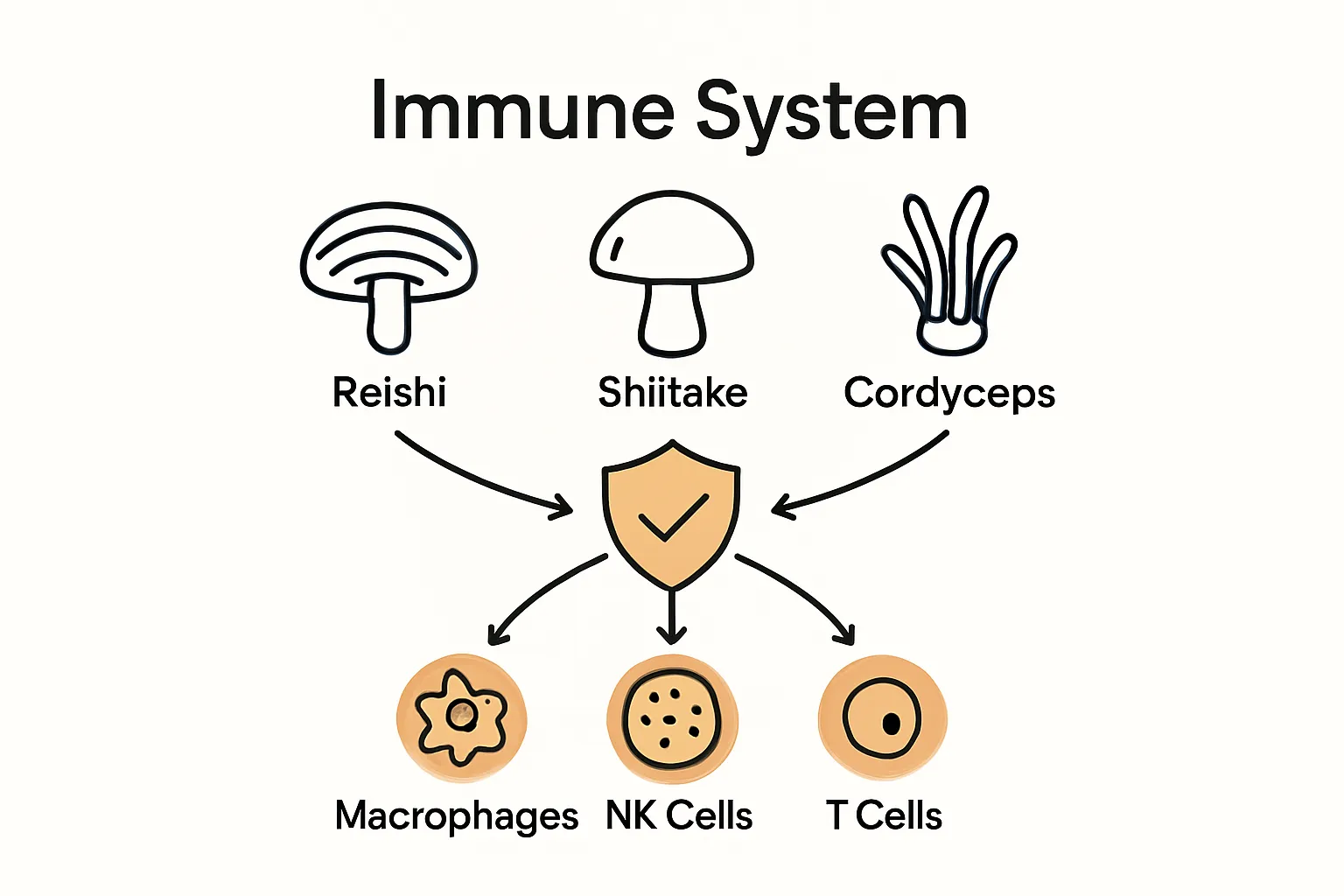
- Stimulating macrophage activity
- Enhancing natural killer cell responsiveness
- Promoting neutrophil recruitment
- Supporting T-cell and B-cell communication
- Improving overall cellular immune surveillance
Immunomodulation and Cellular Communication
Medicinal mushrooms function as sophisticated immunomodulators, capable of both stimulating and regulating immune responses. Unlike traditional pharmaceuticals that often induce uniform responses, these fungi provide nuanced support that helps the immune system maintain balance. They can potentially downregulate hyperactive immune responses while simultaneously strengthening defensive capabilities against pathogens.
Learn more about the intricate role of compounds in mushrooms to gain deeper insights into their remarkable biochemical interactions with human physiological systems.
Key Compounds in Medicinal Mushrooms and Their Effects
Medicinal mushrooms are treasure troves of complex bioactive compounds that orchestrate remarkable health benefits through intricate molecular interactions. Research from the National Institutes of Health highlights the sophisticated biochemical landscape of these extraordinary fungi, revealing how specific molecular structures contribute to enhanced wellness.
Primary Bioactive Compounds
Polysaccharides and triterpenoids represent two primary categories of compounds that drive medicinal mushrooms’ therapeutic potential. These molecules interact with human cellular systems in nuanced ways, providing multifaceted support for immune function and overall physiological balance. The complexity of these compounds allows for targeted, adaptive responses that distinguish medicinal mushrooms from conventional nutritional supplements.
The following table summarizes the primary bioactive compounds found in medicinal mushrooms and the specific ways they enhance immune function, supporting deeper understanding of their multifaceted health impact.
| Compound Name | Compound Type | Key Immune Effects | Additional Benefit |
|---|---|---|---|
| Beta-glucans | Polysaccharide | Activates immune cells, enhances pathogen defense | Modulates immune response |
| Ergothioneine | Antioxidant | Reduces oxidative stress, supports immune cells | Cellular protection |
| Cordycepin | Nucleoside | Enhances cellular communication | Boosts energy and endurance |
| Ganoderic acids | Triterpenoid | Regulates inflammation, immune modulation | Liver support, cardiovascular |
| Adenosine | Nucleoside | Metabolic regulator, immune balancing | Supports healthy blood flow |
Key bioactive compounds include:
- Beta-glucans (immune system modulators)
- Ergothioneine (powerful antioxidant)
- Cordycepin (cellular communication enhancer)
- Ganoderic acids (anti-inflammatory agents)
- Adenosine (metabolic regulator)
Molecular Mechanisms of Action
Each compound within medicinal mushrooms operates through unique molecular pathways, engaging with cellular receptors and signaling networks. Triterpenoids, for instance, can modulate inflammatory responses by interacting with specific cellular protein complexes, while polysaccharides stimulate immune cell communication and activation. This precision enables medicinal mushrooms to provide sophisticated, adaptive support for human physiological systems.

Discover more about active compounds in mushrooms and explore the intricate world of fungal biochemistry that supports holistic wellness.
The Real-World Impact of Medicinal Mushrooms on Immune Health
Medicinal mushrooms represent more than theoretical wellness concepts they are powerful natural interventions with tangible health implications. Research from the National Institutes of Health demonstrates compelling evidence of their profound impact on human immune function, revealing how these extraordinary organisms can provide meaningful support across diverse health scenarios.
Clinical Applications and Immune Support
Beyond traditional nutritional approaches, medicinal mushrooms offer sophisticated immune modulation strategies. Their ability to enhance immune responsiveness makes them particularly valuable for individuals experiencing compromised immune function, chronic stress, or increased susceptibility to infections. By supporting cellular communication and immune cell activation, these fungi provide a nuanced approach to strengthening bodily defense mechanisms.
Key real-world immune health benefits include:
- Reducing inflammation and oxidative stress
- Supporting faster pathogen clearance
- Enhancing natural killer cell activity
- Improving overall immune system resilience
- Potentially mitigating autoimmune response irregularities
Preventative and Therapeutic Potential
Medicinal mushrooms demonstrate remarkable versatility in addressing immune challenges. Their adaptogenic properties enable them to function as both preventative wellness tools and potential therapeutic interventions. Unlike synthetic pharmaceuticals, these natural compounds work harmoniously with the body’s intrinsic systems, providing comprehensive support without introducing disruptive external chemicals.
Explore our comprehensive guide on essential mushroom nutrition facts to understand how these remarkable fungi can transform your approach to immune health and holistic wellness.
Upgrade Your Immunity Game with Powerful Mushroom Solutions
Are you searching for a real way to boost your immunity and achieve lasting wellness? The article explained how compromised immune function can leave you exposed to stress, infections, and slow recovery. Medicinal mushrooms are highlighted as one of nature’s most effective immune modulators, working on a cellular level to support immune balance through unique compounds like beta-glucans and polysaccharides. If you are ready to put this knowledge into practice and take control of your health, it is time to try practical solutions that fit into your daily routine.
Experience the benefits of functional mushrooms infused into convenient gummies designed for your busy lifestyle. Explore our Uncategorized Wellness Collection to discover options for immune support. Every product at https://wundermushroomsgummies.com is crafted with natural vegan ingredients and transparent quality standards. Your path to a balanced and resilient immune system begins with a single step. Act now and browse our unique products to enjoy the holistic power of medicinal mushrooms for yourself.
Frequently Asked Questions
What are medicinal mushrooms and how do they impact immunity?
Medicinal mushrooms are specialized fungi that contain bioactive compounds, such as beta-glucans, that enhance immune function by stimulating immune cells and modulating immune responses.
How do beta-glucans from medicinal mushrooms support the immune system?
Beta-glucans interact with immune cells like macrophages and natural killer cells, activating them and promoting a stronger immune response to pathogens and infections.
What are some common types of medicinal mushrooms that I can incorporate into my wellness routine?
Popular medicinal mushrooms include Reishi, Shiitake, Lion’s Mane, Cordyceps, and Chaga, each offering unique benefits for immune enhancement and overall health.
Can medicinal mushrooms be used alongside traditional medicine to improve health outcomes?
Yes, research indicates that extracts from medicinal mushrooms can support conventional treatments by enhancing immune response and may improve overall health outcomes in various scenarios.
Recommended
- Understanding the Role of Compounds in Mushrooms – WUNDER GUMMIES
- Understanding the Role of Mushrooms in Alternative Medicine – WUNDER GUMMIES
- Understanding Types of Edible Mushrooms: The Essentials – WUNDER GUMMIES
- 7 Benefits of Mushrooms for Daily Wellness – WUNDER GUMMIES
