
Uncategorized
Understanding Why Grow Your Own Mushrooms for Health

Oct
Mushrooms come in thousands of wild and cultivated forms and homegrown mushrooms can contain significantly higher nutrient density than those from the store. People usually think of mushrooms as just another topping for pizza or salad. But growing your own unlocks a world of personal health, deeper mindfulness, and environmental impact that goes far beyond anything at the grocery.
Table of Contents
- What Are Mushrooms And Their Varieties?
- The Health Benefits Of Homegrown Mushrooms
- Why Growing Your Own Mushrooms Matters
- How Mushroom Cultivation Enhances Well-Being
- Key Considerations For Growing Mushrooms At Home
Quick Summary
| Takeaway | Explanation |
|---|---|
| Mushrooms are unique organisms with health benefits. | They belong to their own kingdom of life and provide various nutritional and therapeutic advantages. |
| Homegrown mushrooms offer superior nutritional value. | They are often harvested at peak freshness and grown under optimal conditions, increasing their nutrient density compared to store-bought varieties. |
| Mushroom cultivation promotes personal wellness and sustainability. | Growing your own mushrooms allows for quality control, reduces your carbon footprint, and fosters a connection to healthy food production. |
| Cultivation can improve psychological well-being. | Engaging in growing mushrooms fosters mindfulness, stress reduction, and a sense of accomplishment through the process of caring for living organisms. |
| Successful mushroom growing requires attention to detail. | Key factors such as temperature, humidity, and contamination prevention are crucial for achieving healthy mushroom yields. |
What Are Mushrooms and Their Varieties?
Mushrooms are fascinating organisms that represent a unique kingdom of life beyond plants and animals. These remarkable fungi serve as incredible natural powerhouses of nutrition and potential wellness benefits. From the common button mushrooms found in grocery stores to exotic medicinal varieties, mushrooms represent a diverse and complex biological category with extraordinary characteristics.
The Biological Essence of Mushrooms
At their core, mushrooms are the fruiting bodies of fungal networks that exist primarily underground. According to the United States Forest Service, these organisms play crucial roles in ecosystem decomposition and nutrient cycling. Unlike plants, mushrooms do not produce chlorophyll and cannot generate their own food through photosynthesis. Instead, they absorb nutrients from their surrounding environment through extensive underground networks called mycelium.
Key characteristics of mushrooms include:
- Complex cellular structures different from plants and animals
- Ability to break down organic matter
- Presence of chitin in their cell walls
- Reproduction through microscopic spores
Mushroom Varieties and Their Unique Profiles
The world of mushrooms is incredibly diverse, with thousands of known species offering distinct properties. Some are edible and nutritious, while others possess potential medicinal benefits. Common varieties include culinary favorites like shiitake, oyster, and button mushrooms, as well as medicinal types such as reishi, lion’s mane, and cordyceps.
Interested in diving deeper into mushroom classifications? Check out our comprehensive guide on understanding types of edible mushrooms for a more detailed exploration of these fascinating fungi. Each mushroom species contains unique compounds that contribute to their potential health benefits, making them more than just a simple food ingredient.
This table summarizes notable nutritional and therapeutic characteristics of popular mushroom varieties discussed in the article.
| Mushroom Variety | Nutritional Benefits | Therapeutic/Medicinal Properties |
|---|---|---|
| Shiitake | Rich in B vitamins, immune support | Potential anti-inflammatory, cardiovascular |
| Oyster | High in protein, essential minerals | May have cholesterol-lowering effects |
| Button | Contains selenium, low calorie | Basic wellness support |
| Lion’s Mane | Contains polysaccharides, antioxidants | Supports cognitive function, brain health |
| Reishi | Contains triterpenoids, beta-glucans | Adaptogenic, stress reduction, immune modulator |
| Cordyceps | Provides polysaccharides, vitamins | Enhances energy, potential metabolic support |
The Health Benefits of Homegrown Mushrooms
Growing your own mushrooms offers a remarkable pathway to accessing concentrated nutritional and therapeutic benefits directly from your home environment. These fascinating fungi are not just culinary ingredients but powerful natural wellness resources that can significantly enhance personal health through their unique bioactive compounds.
Nutritional Powerhouses of Homegrown Mushrooms
Research from the National Center for Biotechnology Information demonstrates that homegrown mushrooms like shiitake and oyster varieties are rich in essential nutrients and bioactive compounds. These mushrooms contain complex polysaccharides, beta-glucans, vitamins, and minerals that contribute to comprehensive wellness support. Homegrown mushrooms offer significantly higher nutrient density compared to store-bought alternatives, primarily because they can be harvested at peak freshness and grown under controlled, organic conditions.
Key nutritional benefits include:
- Enhanced immune system support
- Natural anti-inflammatory properties
- Rich source of essential B vitamins
- High selenium and potassium content
- Potential antioxidant protection
Therapeutic Potential of Medicinal Mushroom Varieties
Beyond basic nutrition, certain mushroom varieties cultivated at home possess extraordinary therapeutic potential. Medicinal mushrooms like lion’s mane, reishi, and cordyceps have been studied for their potential cognitive, metabolic, and adaptogenic properties. These mushrooms contain specialized compounds that may support brain health, stress management, and overall cellular function.
Learn more about incorporating mushrooms into your wellness routine and discover how these incredible fungi can transform your approach to natural health. By growing mushrooms at home, you gain direct access to fresh, potent, and personalized nutritional resources that can be tailored to your specific wellness goals.
Why Growing Your Own Mushrooms Matters
Cultivating mushrooms at home represents more than a hobby it is a strategic approach to personal wellness, sustainable living, and direct nutritional empowerment. By taking control of your mushroom production, you unlock a world of health benefits, environmental consciousness, and culinary creativity that extends far beyond conventional food acquisition.
Personal Health Sovereignty and Quality Control
Research from agricultural sustainability experts highlights that home cultivation allows unprecedented control over growing conditions. Homegrown mushrooms eliminate uncertainties associated with commercial production, such as potential pesticide exposure, extended transportation times, and unknown growth environments. When you cultivate your own mushrooms, you determine the substrate, control environmental factors, and ensure maximum nutrient preservation from spore to harvest.
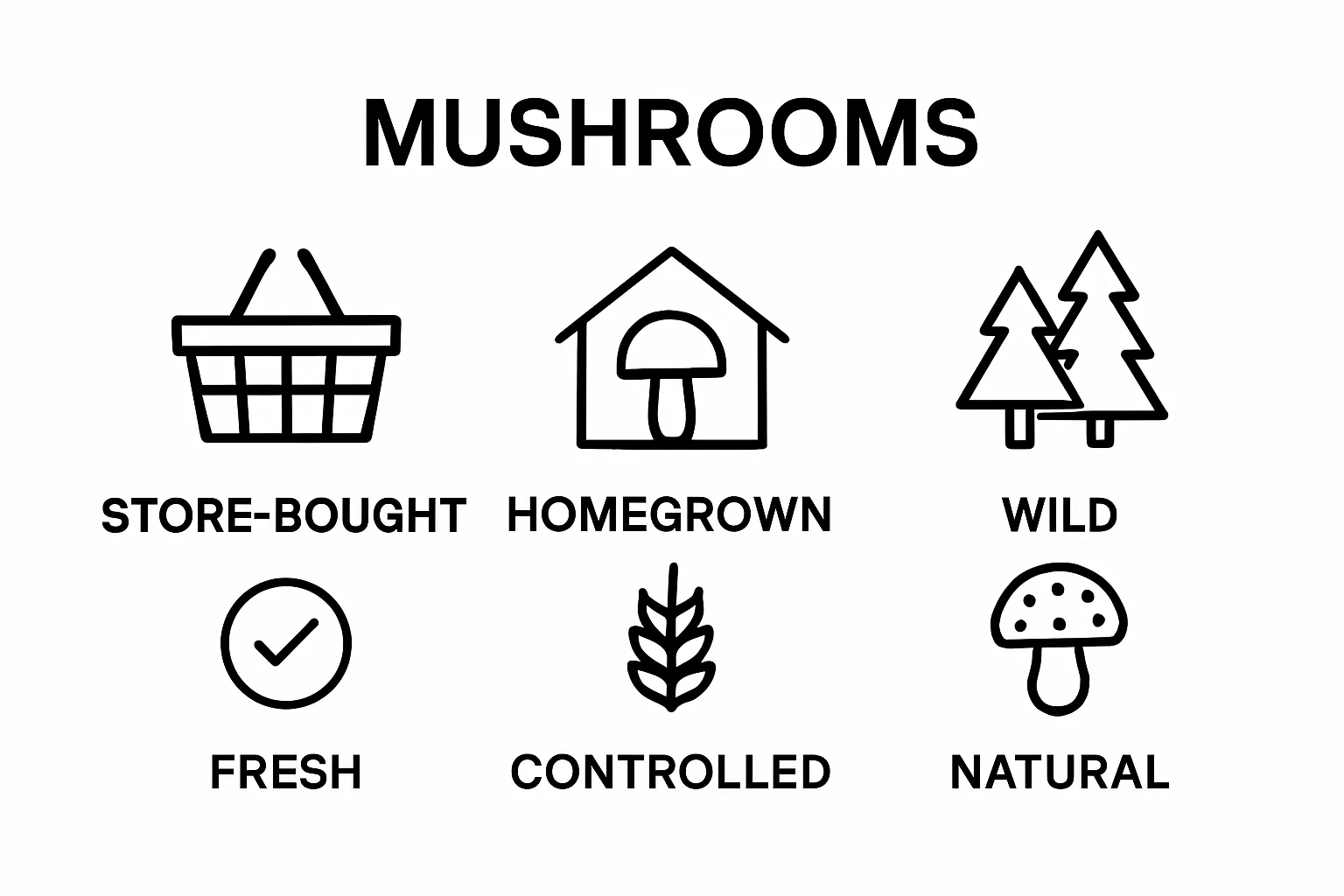
Key advantages of personal mushroom cultivation include:
- Complete transparency in growing methods
- Elimination of unnecessary chemical interventions
- Direct monitoring of mushroom development
- Fresh harvest at peak nutritional potency
- Reduced carbon footprint from transportation
Environmental and Economic Sustainability
Mushroom cultivation represents a microcosm of sustainable agricultural practices. These fungi require minimal space, can be grown indoors or in small outdoor areas, and consume organic waste materials as their growth substrate. By growing mushrooms, individuals contribute to circular economy principles, reducing food waste while producing nutritionally dense food sources.
Below is a comparison table highlighting key differences between homegrown and store-bought mushrooms based on nutrient density, freshness, quality control, and environmental impact.
| Feature | Homegrown Mushrooms | Store-bought Mushrooms |
|---|---|---|
| Nutrient Density | Higher; harvested at peak freshness | Often lower; may degrade during transit |
| Freshness | Immediate harvest for consumption | Varies; may sit on shelves for days |
| Quality Control | Full control over substrate and environment | Often unknown source and practices |
| Chemical Exposure | Can be organic/chemical-free | Potential exposure to pesticides |
| Environmental Impact | Lower carbon footprint; minimal packaging | Higher due to transport and packaging |
| Varietal Selection | Can grow diverse and rare varieties | Typically limited to common types |
| Economic Sustainability | Cost-effective over time | Continuous purchase costs |
Learn more about mushroom cultivation techniques and discover how this fascinating practice can transform your approach to food production and personal wellness. Home mushroom cultivation is not just about growing food it is about creating a more conscious, connected relationship with the natural systems that nourish us.
How Mushroom Cultivation Enhances Well-being
Mushroom cultivation transcends mere food production, emerging as a holistic practice that nurtures physical, mental, and emotional wellness. This intricate process of growing fungi offers profound therapeutic benefits that extend far beyond traditional gardening or nutritional pursuits.
Psychological and Emotional Wellness through Cultivation
Research published in psychological health journals demonstrates that engaging in mushroom cultivation can significantly reduce stress, promote mindfulness, and generate a meaningful sense of personal achievement. The deliberate, patient process of mushroom growth creates a meditative experience that allows individuals to connect with natural biological rhythms, providing a powerful antidote to the fast-paced, digitally saturated modern lifestyle.
Key psychological benefits of mushroom cultivation include:
- Stress reduction through mindful engagement
- Enhanced sense of personal accomplishment
- Improved connection with natural ecosystems
- Meditative practice disguised as a practical skill
- Development of patient, nurturing behaviors
Holistic Health Through Hands-on Learning
Cultivating mushrooms is an educational journey that stimulates cognitive functions and encourages continuous learning. The process requires understanding complex biological systems, experimenting with different growth conditions, and developing problem-solving skills. By observing the intricate life cycle of fungi, individuals gain deeper insights into ecological interactions and personal growth metaphors.
Explore our comprehensive guide on essential mushrooms for mental wellness and discover how the practice of mushroom cultivation can transform your approach to personal well-being. This practice is more than a hobby it is a profound pathway to understanding ourselves through the wisdom of nature.
Key Considerations for Growing Mushrooms at Home
Successful mushroom cultivation requires more than casual enthusiasm it demands understanding, precision, and respect for the delicate biological processes that transform simple organic materials into nutrient-dense fungi. Home growers must navigate a complex landscape of environmental factors, substrate selection, and contamination prevention to ensure healthy, robust mushroom development.
Environmental Control and Substrate Preparation
Agricultural extension experts recommend careful preparation for successful mushroom cultivation. Precise management of temperature, humidity, and substrate composition determines the success of your mushroom growing project. Different mushroom species require unique environmental conditions, making research and species-specific knowledge crucial for consistent, high-quality yields.
Critical environmental factors to monitor include:
- Consistent temperature range
- Appropriate humidity levels
- Proper air circulation
- Substrate sterility
- Light exposure requirements
Contamination Prevention and Cultivation Techniques
The most significant challenge in home mushroom cultivation is preventing unwanted bacterial or fungal contamination. This requires meticulous sterilization techniques, clean working environments, and a thorough understanding of mycelial growth patterns. Potential growers must invest in basic laboratory-style hygiene practices, including using sterile equipment, wearing protective gear, and creating controlled incubation spaces.
Learn more about organic mushroom cultivation methods and discover the nuanced techniques that transform amateur attempts into successful mushroom harvests. Home cultivation is a journey of patience, precision, and deep respect for the intricate biological systems that produce these remarkable organisms.
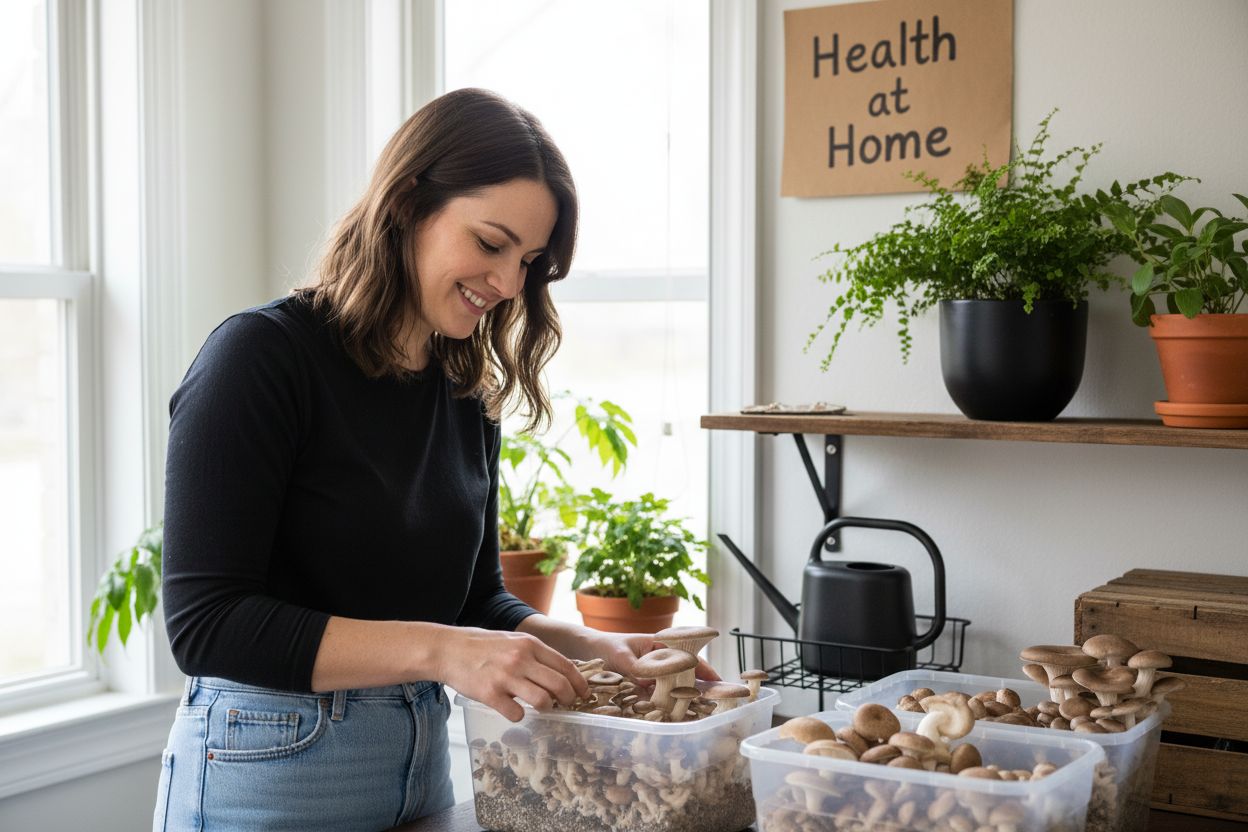
Ready to Take Control of Your Health with Homegrown Mushrooms?
Are you tired of mystery ingredients and mass-produced products that leave you unsure about their quality? The article showed that growing your own mushrooms is the answer for those who want true transparency, powerful nutrition, and a stress-reducing connection to nature. But not everyone has the time or resources to cultivate the perfect crop at home. That is where WUNDER GUMMIES comes in. We created convenient, nutrient-rich mushroom products that maintain all the wellness benefits highlighted in your research.
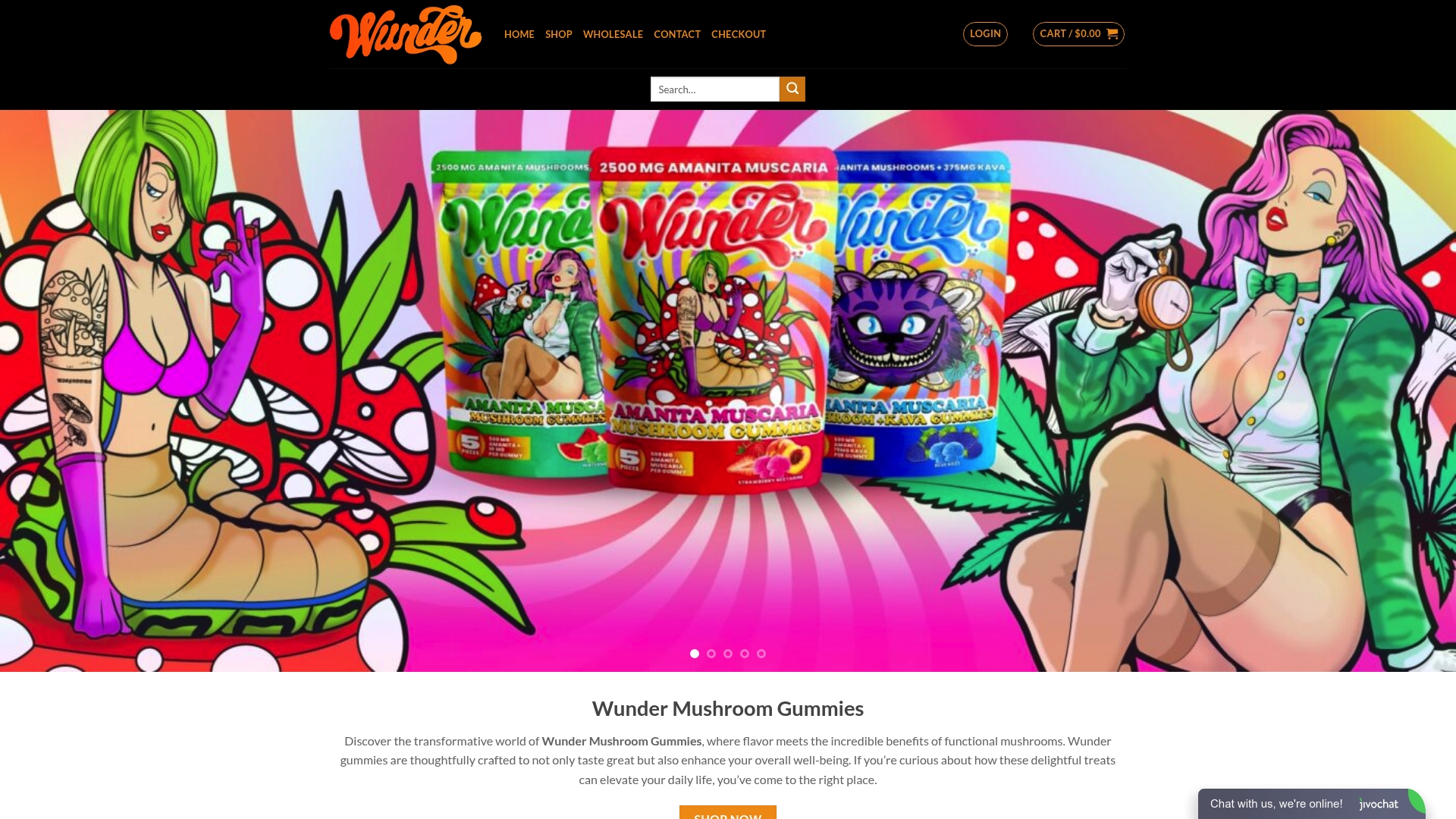
Stop compromising on your well-being. Our mushroom-infused gummies and grow kits bring the freshness, purity, and functional power of top mushroom varieties right to your daily routine. Explore our online shop now and take charge of your health today while enjoying delicious flavors and vegan ingredients. Make the smarter wellness choice and feel the difference for yourself.
Frequently Asked Questions
Why should I consider growing my own mushrooms?
Growing your own mushrooms allows for greater control over growing conditions, minimizing exposure to pesticides, and ensuring freshness. You also gain access to a variety of nutritious and therapeutic mushrooms that can enhance your overall wellness.
What are the nutritional benefits of homegrown mushrooms compared to store-bought?
Homegrown mushrooms are often more nutrient-dense than store-bought varieties because they can be harvested at peak freshness and grown in controlled conditions, providing essential vitamins, minerals, and bioactive compounds that support health.
What environmental conditions are necessary for successful mushroom cultivation at home?
Successful mushroom cultivation requires management of temperature, humidity, air circulation, substrate sterility, and light exposure. Each mushroom species may have specific environmental needs that must be met for optimal growth.
How can growing mushrooms contribute to sustainable living?
Mushroom cultivation is a sustainable practice as it requires minimal space, can use organic waste as substrate, and helps reduce food waste. By cultivating mushrooms at home, you are contributing to eco-friendly food production and promoting a circular economy.
Recommended
- Understanding What is Mushroom Cultivation and Its Benefits – WUNDER GUMMIES
- Understanding Why Organic Mushrooms Matter for Health – WUNDER GUMMIES
- Understanding Why Use Organic Mushrooms for Health – WUNDER GUMMIES
- Understanding Types of Edible Mushrooms: The Essentials – WUNDER GUMMIES
