
Uncategorized
7 Essential Tips for Your Mushroom Supplement Checklist

Sep
Mushroom supplements are showing up everywhere and more people are turning to them for better focus, energy, and immune support. You might think these are just another trendy health craze competing with your daily multivitamin. But get this—scientific reviews now link certain mushrooms like Lion’s Mane and Reishi to real benefits, including cognitive boost and immune enhancement, thanks to potent compounds like beta glucans. Most people miss the fact that not every mushroom supplement comes close to delivering on these claims unless you know exactly what to look for.
Table of Contents
- Understand The Benefits Of Mushroom Supplements
- Choose High-Quality Mushroom Sources
- Know The Different Types Of Mushrooms Available
- Assess Your Health Goals And Needs
- Check For Third-Party Testing And Certifications
- Learn Proper Dosage And Usage Guidelines
- Monitor Your Progress And Adjust Accordingly
Quick Summary
| Takeaway | Explanation |
|---|---|
| Select high-quality mushroom supplements | Look for products with clear sourcing and transparent manufacturing practices to ensure safety and efficacy. |
| Understand specific benefits of different mushrooms | Each type, such as Lion’s Mane or Reishi, offers unique health support; choose according to your health goals. |
| Monitor effects of supplements regularly | Keep track of changes in energy, cognitive function, and overall health, adjusting your approach as necessary. |
| Consult healthcare professionals before starting | Always check with a doctor, especially if you have underlying health issues or take medications. |
| Prioritize third-party testing and certifications | Choose supplements that have been independently verified for purity, potency, and safety to ensure quality. |
1: Understand the Benefits of Mushroom Supplements
Mushroom supplements represent a powerful natural approach to wellness that has gained significant attention in recent health circles. These supplements harness the complex nutritional profiles of various mushroom species, offering potential health benefits that extend far beyond traditional vitamin and mineral support. Research from National Center for Complementary and Integrative Health indicates that functional mushrooms contain unique compounds that could support overall physiological performance.
The potential advantages of mushroom supplements are diverse and compelling. Key benefits include:
-
Immune System Enhancement: Many mushroom varieties contain beta glucans that may help stimulate immune cell activity
-
Cognitive Function Support: Some mushroom species are linked to potential improvements in mental clarity and focus
-
Stress Reduction: Certain adaptogenic mushrooms might help the body manage stress responses more effectively
Understanding the nuanced world of mushroom supplements requires recognizing that not all mushroom species offer identical benefits. Lion’s Mane, for instance, is renowned for potential neurological support, while Reishi is often associated with relaxation and immune modulation. Our detailed guide on edible mushroom types can provide deeper insights into these fascinating fungi.
When considering mushroom supplements, it is crucial to approach them as part of a holistic wellness strategy. They are not miraculous cure-alls but rather potential complementary supports to a balanced diet, regular exercise, and overall healthy lifestyle. Always consult healthcare professionals before introducing any new supplement regimen to understand how these natural compounds might interact with your individual health profile.
The growing scientific interest in mushroom supplements reflects a broader recognition of their potential therapeutic value. As research continues to evolve, our understanding of these remarkable organisms will undoubtedly expand, offering even more insights into their remarkable capabilities.
2: Choose High-Quality Mushroom Sources
Selecting superior mushroom sources is paramount when building your supplement strategy. Not all mushroom products are created equal, and understanding the nuanced landscape of mushroom quality can dramatically impact your health outcomes. Research from American Society for Microbiology highlights the critical importance of sourcing methods and cultivation practices.
When evaluating mushroom supplement quality, several key factors demand careful consideration:
-
Cultivation Environment: Opt for mushrooms grown in controlled, clean environments that minimize potential contamination
-
Extraction Method: Seek supplements using advanced extraction techniques that preserve the mushroom’s bioactive compounds
-
Third-Party Testing: Prioritize brands offering comprehensive laboratory testing results for purity and potency
Organic certification represents another crucial quality indicator. Our comprehensive guide on organic mushroom sourcing explores the nuances of sustainable mushroom production. Organic cultivation ensures that mushrooms are grown without synthetic pesticides or harmful chemicals, potentially enhancing their nutritional profile.
Discerning consumers should also investigate the specific mushroom species used in supplements. Some mushrooms like Cordyceps, Reishi, and Lion’s Mane have distinct cultivation requirements that significantly influence their therapeutic potential. Look for brands transparent about their mushroom species, growing conditions, and processing techniques.
Additionally, understand the difference between mycelium and fruiting body supplements. Mycelium represents the root-like network of the mushroom, while fruiting bodies are the above-ground reproductive structures. Each offers unique compounds, and the best supplements often provide a comprehensive profile of both.
Price should not be the sole determining factor. Cheaper is not always better when it comes to mushroom supplements. Invest in reputable brands that demonstrate a commitment to quality, scientific research, and transparent manufacturing processes. Your health is worth the careful selection.
3: Know the Different Types of Mushrooms Available
Navigating the complex world of mushroom supplements requires understanding the diverse range of mushroom types and their unique properties. Research from National Institutes of Health underscores the therapeutic potential of various mushroom species, each offering distinct health benefits.
Some prominent mushroom types for supplementation include:
-
Lion’s Mane: Known for potential cognitive enhancement and neurological support
-
Reishi: Recognized for stress reduction and immune system modulation
-
Cordyceps: Associated with energy boost and athletic performance
-
Chaga: Noted for antioxidant properties and potential immune system support
-
Turkey Tail: Studied for potential immune system strengthening capabilities
Functional mushrooms are not the typical culinary varieties found in grocery stores. They represent specialized species cultivated specifically for their potential therapeutic compounds. Our comprehensive guide on mushroom terminology can help demystify the intricate nomenclature surrounding these remarkable organisms.
The primary categories of mushroom supplements generally fall into three main types: whole mushroom powder, mushroom extracts, and mycelium-based supplements. Whole mushroom powder contains the entire dried and ground mushroom, preserving its complete nutritional profile. Extracts concentrate specific beneficial compounds through advanced extraction techniques, potentially offering more potent therapeutic potential.
It is crucial to recognize that each mushroom type interacts differently with the human body. Adaptogenic mushrooms like Reishi help the body manage stress, while nootropic mushrooms such as Lion’s Mane potentially support cognitive function. Understanding these nuanced differences allows for more targeted supplementation aligned with individual wellness goals.
Consumers should approach mushroom supplementation with an informed perspective. While promising research continues to emerge, these supplements are not miracle cure-alls but potential complementary supports to a holistic health strategy. Always consult healthcare professionals to determine the most appropriate mushroom supplements for your specific health needs.
4: Assess Your Health Goals and Needs
Selecting the right mushroom supplement requires a thoughtful and personalized approach that aligns with your unique health objectives. Research from Mayo Clinic emphasizes the importance of understanding individual health needs before starting any supplement regimen.
Critical health goals to consider when choosing mushroom supplements include:
-
Cognitive Function: Targeting mental clarity, memory, and neurological support
-
Immune System Enhancement: Supporting overall immune resilience and defensive capabilities
-
Stress Management: Addressing emotional wellness and adapting to environmental pressures
-
Energy and Performance: Improving physical stamina and metabolic efficiency
Individual health assessment is paramount. Factors like age, existing medical conditions, current medications, and lifestyle play significant roles in determining the most appropriate mushroom supplement strategy. Explore our comprehensive guide on incorporating mushrooms into your diet for more nuanced insights.
People with specific health concerns should pay special attention to potential interactions. Immune-compromised individuals, those undergoing medical treatments, or individuals with autoimmune conditions must consult healthcare professionals before introducing new supplements. Some mushroom varieties can interact with medications or potentially stimulate immune responses that might not be suitable for everyone.
Consider creating a personal wellness profile that documents your current health status, goals, and any existing medical considerations. This approach transforms supplement selection from a generic process to a targeted, personalized strategy. Track your responses to different mushroom supplements, noting any changes in energy levels, cognitive function, stress management, or overall well-being.
Remember that mushroom supplements are complementary tools, not miraculous solutions. They work best when integrated into a holistic approach that includes balanced nutrition, regular exercise, adequate sleep, and stress management. Your health journey is unique, and mushroom supplements should be selected with precision and thoughtful consideration of your individual needs.
5: Check for Third-Party Testing and Certifications
The integrity of mushroom supplements hinges critically on rigorous third-party testing and verifiable certifications. Research from NSF International underscores the importance of independent verification in ensuring product safety and quality.
Key certification and testing elements to evaluate include:
-
Purity Testing: Verification for absence of heavy metals, pesticides, and microbial contaminants
-
Potency Verification: Confirmation of declared active compound concentrations
-
Organic Certification: Ensuring cultivation without synthetic chemicals
-
Non-GMO Verification: Guaranteeing natural genetic composition
Reputable third-party testing organizations play a pivotal role in maintaining supplement standards. Look for certifications from recognized bodies like NSF International, USP (United States Pharmacopeia), or ISO (International Organization for Standardization). These organizations conduct comprehensive analyses that go beyond manufacturer claims.
Our detailed guide on understanding mushroom supplement standards provides additional insights into navigating certification landscapes.
Transparency is crucial. Legitimate supplement manufacturers will readily provide laboratory testing results, often accessible through QR codes, batch number lookups, or direct website documentation. Be wary of brands that cannot or will not share comprehensive testing information.
Consumers should specifically scrutinize test reports for:
-
Detailed contaminant screening results
-
Exact percentages of active compounds
-
Cultivation and extraction method documentation
Beyond standard certifications, advanced brands might offer additional verification like genomic testing, which confirms the exact mushroom species used and validates its genetic authenticity. This level of scientific rigor separates high-quality supplements from generic alternatives.
Remember that certifications are not just bureaucratic checkboxes but critical safeguards protecting your health. They represent a commitment to quality, transparency, and consumer trust in an industry where standards can vary dramatically.
6: Learn Proper Dosage and Usage Guidelines
Navigating the intricate landscape of mushroom supplement dosages requires precision, knowledge, and careful consideration. Research from National Center for Complementary and Integrative Health highlights the importance of understanding individual variation in supplement response.
General dosage guidelines for mushroom supplements vary based on multiple factors:
-
Body Weight: Dosage often correlates with individual metabolic characteristics
-
Health Objectives: Different goals require nuanced supplementation strategies
-
Mushroom Species: Each variety presents unique potency and recommended intake levels
-
Existing Health Conditions: Medical history significantly influences appropriate dosing
Standard dosage ranges typically fall between 500-3000 mg per day, depending on the specific mushroom type and individual health goals. Explore our comprehensive guide on mushroom incorporation for more detailed insights into practical usage.
Fundamental usage principles demand a gradual, mindful approach. Start with the lowest recommended dose and incrementally adjust based on your body’s response. Observe how your system reacts, noting any changes in energy, cognitive function, or overall well-being. Some individuals might experience mild digestive adjustments when first introducing mushroom supplements.
Pay special attention to timing and consistency. Most mushroom supplements work most effectively when taken consistently and at specific times. Morning consumption often works best for energy-supporting varieties like Cordyceps, while evening intake might suit relaxation-oriented mushrooms such as Reishi.
Crucial considerations for responsible supplementation include:
-
Consulting healthcare professionals before starting any new supplement regimen
-
Monitoring potential interactions with existing medications
-
Maintaining a health journal to track supplement effects
Remember that quality trumps quantity. Higher dosages do not automatically translate to enhanced benefits. The bioavailability and extraction method of your mushroom supplement matter significantly more than sheer volume. Prioritize high-quality, carefully processed supplements that maximize the mushroom’s natural therapeutic potential.
7: Monitor Your Progress and Adjust Accordingly
Successful mushroom supplement integration requires ongoing observation, self-awareness, and strategic adjustment. Research from Cleveland Clinic emphasizes the dynamic nature of individual supplement responses and the importance of personalized tracking.
Key metrics to monitor during your supplementation journey include:
-
Energy Levels: Track daily vitality and potential fluctuations
-
Cognitive Performance: Assess mental clarity, focus, and memory
-
Stress Response: Evaluate emotional resilience and adaptability
-
Physical Well-being: Note changes in immune function and overall health
Documenting your experience is crucial for understanding the nuanced effects of mushroom supplements. Consider maintaining a detailed health journal that records daily observations, potential side effects, and subjective wellness indicators. Our guide on understanding mushroom terminology can help you articulate and track your experiences more effectively.
Professional consultation remains essential. Schedule periodic check-ins with healthcare providers to:
-
Review supplement efficacy
-
Discuss any emerging health patterns
-
Validate your supplementation strategy
Be prepared to modify your approach based on your body’s response. Not all supplements work identically for everyone. Some individuals might require dosage adjustments, while others may need to switch between different mushroom varieties to achieve optimal results.
Red flags that warrant immediate attention include persistent digestive discomfort, unexpected mood changes, or interactions with existing health conditions. These signals suggest the need for prompt reassessment of your supplement regimen.
Remember that patience and consistency are key. Mushroom supplements often require several weeks to manifest noticeable effects. Avoid making hasty conclusions based on short-term experiences. Your wellness journey is unique, and finding the perfect supplement strategy demands careful, mindful observation and a willingness to adapt.
Below is a comprehensive table summarizing the core steps, benefits, and essential guidance from the article to help you confidently choose and use mushroom supplements effectively.
| Step/Focus Area | Key Guidance & Insights |
|---|---|
| 1. Understand Benefits | Mushroom supplements can support immunity, cognitive function, stress management, and energy, thanks to compounds like beta glucans and adaptogens. |
| 2. Choose High-Quality Sources | Select supplements with transparent sourcing, organic certification, advanced extraction methods, and a clear distinction between mycelium and fruiting body. |
| 3. Know Mushroom Types | Different mushrooms offer unique benefits: Lion’s Mane (cognitive), Reishi (immune/stress), Cordyceps (energy), Chaga and Turkey Tail (antioxidant/immune). |
| 4. Assess Your Health Goals & Needs | Align supplement choice with personal health objectives, considering age, medical conditions, medications, and overall lifestyle for better results. |
| 5. Check Third-Party Certifications | Prioritize supplements with third-party testing for purity, potency, organic standards, and transparency from trusted organizations such as NSF or USP. |
| 6. Learn Proper Dosage & Usage | Start with the lowest recommended dose (typically 500-3000 mg/day), monitor your body’s response, and adjust timing and consistency for optimal benefits. |
| 7. Monitor Progress & Adjust | Track energy, cognition, stress, and overall well-being in a health journal, regularly consult healthcare professionals, and adapt your regimen as needed. |
Take the Guesswork Out of Functional Mushroom Supplements
Feeling unsure about how to choose the right mushroom supplement for your health goals? You are not alone. Many people struggle to find products that deliver the purity, potency, and clarity discussed in our article “7 Essential Tips for Your Mushroom Supplement Checklist.” Building confidence in your supplement decisions starts with transparency in sourcing, clear third-party certifications, and knowing exactly what benefits to expect. At WUNDER GUMMIES, we make it easy to shop for premium mushroom-infused gummies and grow kits designed for cognitive focus, immune strength, and stress reduction. We focus on everything highlighted in your checklist, from certified organic ingredients to published lab results, so you can shop with total peace of mind.
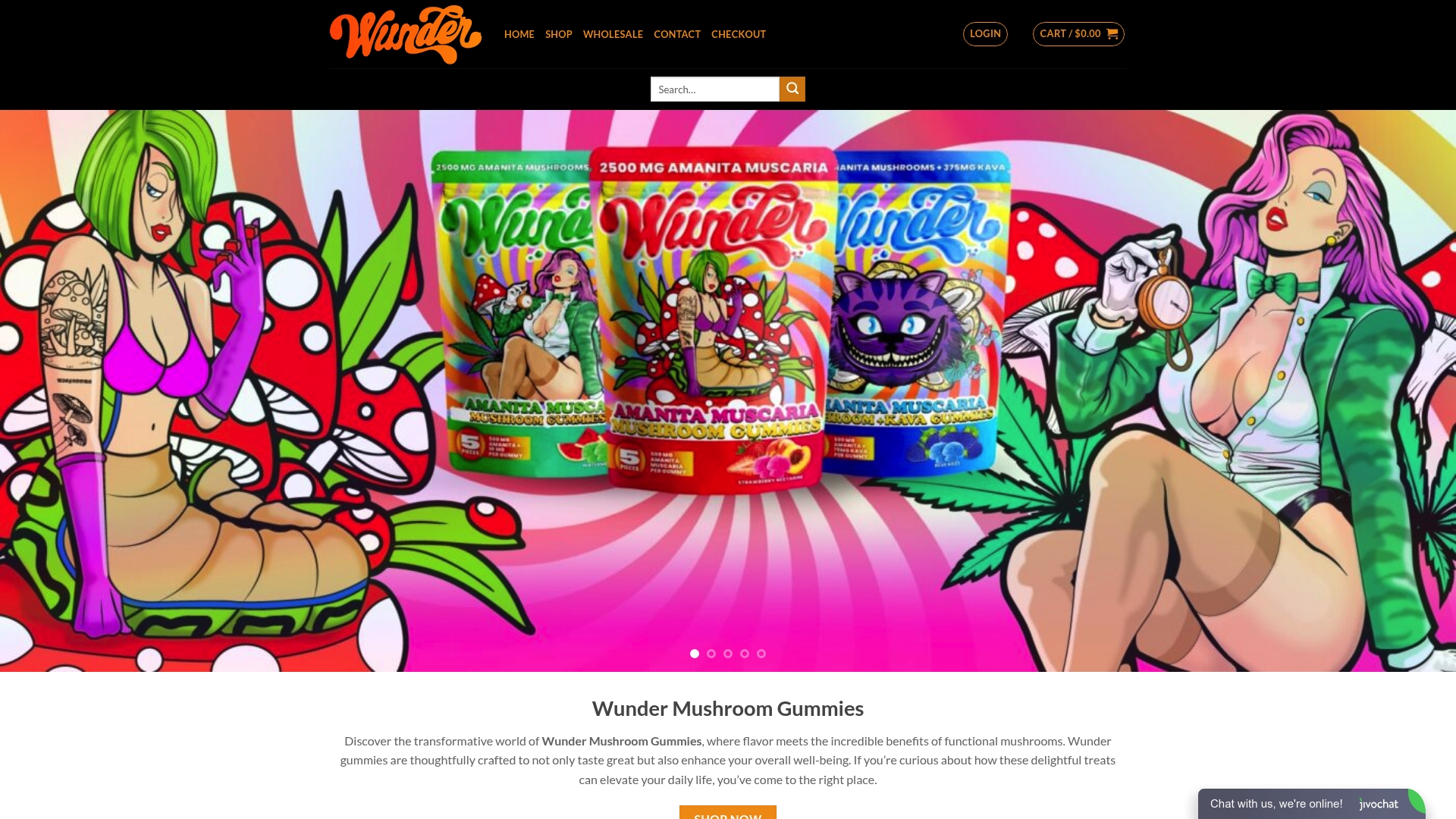
Ready to upgrade your wellness routine? Visit WUNDER GUMMIES now and explore our collection formulated to simplify your supplement journey. Our products are tailored to meet every health target mentioned in your checklist, making it the perfect time to act for greater clarity, energy, and balance. Start your smarter supplement experience today.
Frequently Asked Questions
What are the health benefits of mushroom supplements?
Mushroom supplements may enhance immune function, support cognitive health, reduce stress, and improve physical performance due to their unique compounds such as beta glucans and adaptogens.
How should I choose a high-quality mushroom supplement?
Look for supplements that are organically certified, use advanced extraction methods, have third-party testing for purity and potency, and provide transparent information about the specific species used in their formulation.
What is the recommended dosage for mushroom supplements?
Standard dosage typically ranges from 500-3000 mg per day, depending on the mushroom type, health objectives, and individual body weight. Start with the lowest dose and adjust based on your body’s response.
How can I monitor the effects of mushroom supplements on my health?
Keep a health journal to track changes in energy levels, cognitive performance, stress response, and overall well-being. Regular check-ins with healthcare professionals can also help validate your progress and make necessary adjustments.
Recommended
- Mushroom Supplement Dosing Guide: Maximize Your Benefits – WUNDER GUMMIES
- 7 Essential Mushroom Nutrition Facts List for Wellness – WUNDER GUMMIES
- How to Incorporate Mushrooms into Diet for Health Benefits – WUNDER GUMMIES
- Guide to Integrating Mushrooms into Diet for Wellness – WUNDER GUMMIES
