
Uncategorized
Understanding Why Organic Mushrooms Matter for Health

Sep
Organic mushrooms are showing up everywhere and people are starting to take notice. Most folks do not realize that these fungi are grown without a single synthetic chemical or genetically modified ingredient. Here is what really stands out: studies show organic mushrooms contain higher levels of antioxidants and bioactive compounds than conventional ones. You might expect the main reason to go organic is just to avoid pesticides but the real surprise is how much cleaner and richer they are on a nutritional level.
Table of Contents
- What Are Organic Mushrooms And How Are They Different?
- Why Choose Organic Mushrooms Over Conventional Options?
- The Health Benefits Of Organic Mushrooms Explained
- How Organic Mushrooms Support Cognitive And Mood Enhancement
- Connecting Organic Mushrooms To Sustainable Practices
Quick Summary
| Takeaway | Explanation |
|---|---|
| Choose organic mushrooms for health benefits | Organic mushrooms minimize chemical exposure and offer higher levels of beneficial compounds like antioxidants and polyphenols. |
| Support sustainable agriculture practices | By choosing organic mushrooms, consumers contribute to environmentally friendly farming methods that prioritize soil health and biodiversity. |
| Enhance immune and brain health | Organic mushrooms contain compounds that boost immune function and protect brain health, potentially enhancing overall wellness. |
| Avoid chemical residues in food | Organic mushrooms are produced without synthetic pesticides and fertilizers, reducing the risk of ingesting harmful chemical residues. |
| Contribute to a circular economy | Organic mushroom farming often repurposes agricultural waste for cultivation, minimizing waste and promoting sustainability in food production. |
What are Organic Mushrooms and How are They Different?
Organic mushrooms represent a specialized category of fungi cultivated using natural, environmentally sustainable methods that prioritize both human health and ecological balance. Unlike conventionally grown mushrooms, organic varieties undergo rigorous cultivation practices that exclude synthetic chemicals, pesticides, and genetically modified organisms.
The Fundamental Difference in Cultivation
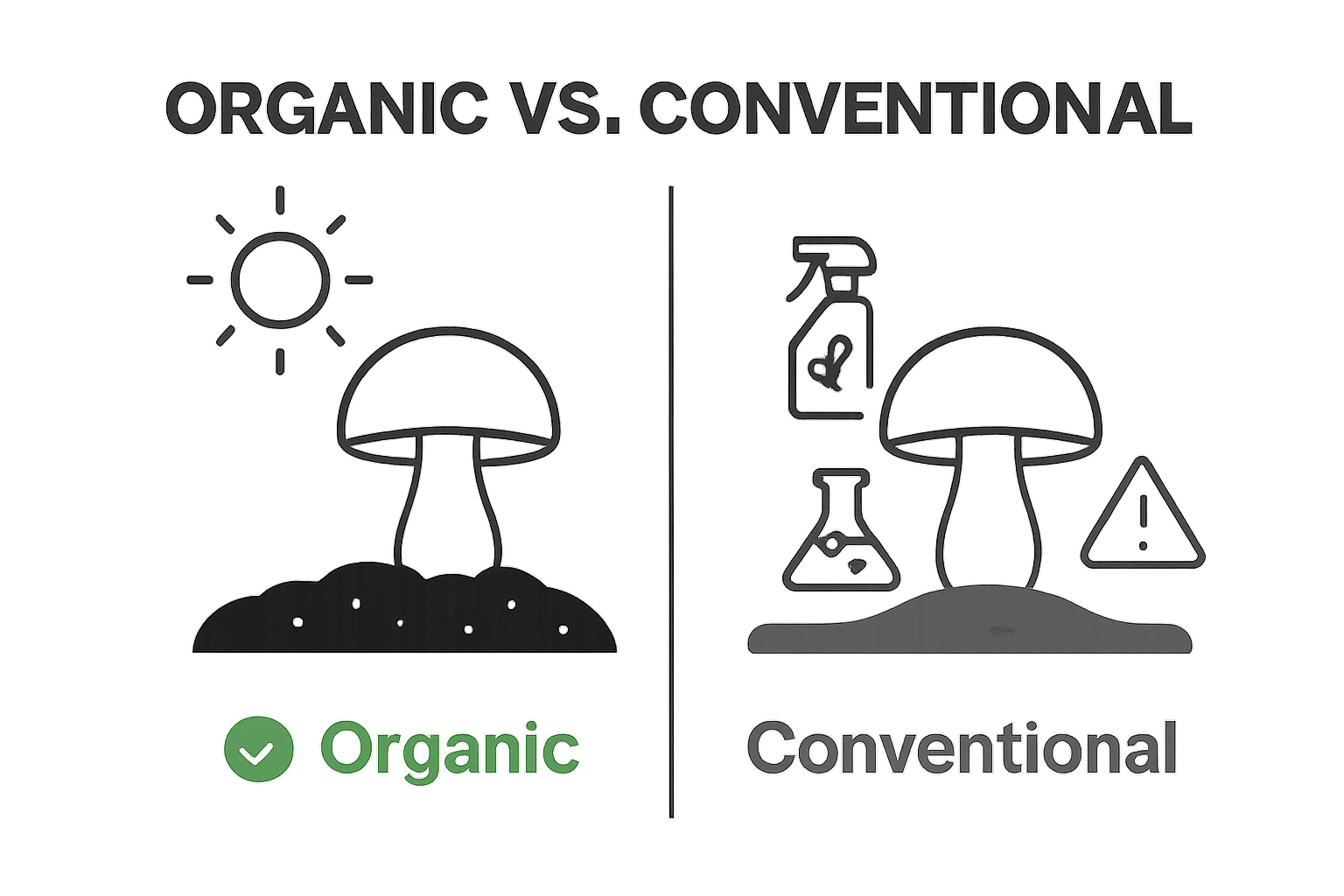
The primary distinction between organic and conventional mushrooms lies in their growing environment and production methods. According to research from the National Institutes of Health, organic mushroom cultivation focuses on creating a pure, chemical-free ecosystem that supports natural growth processes. This approach involves several key practices
 :
:
- Using organic, untreated substrates for mushroom growth
- Avoiding synthetic fertilizers and pesticides
- Maintaining strict soil and environmental purity standards
- Implementing natural pest management techniques
Nutritional and Health Implications
Organic mushrooms offer significant advantages beyond their production methods. Scientific studies in the journal Antioxidants have demonstrated that organic mushrooms typically contain higher levels of bioactive compounds, including polyphenols and antioxidants. These enhanced nutritional profiles result directly from the natural cultivation techniques that allow mushrooms to develop robust defense mechanisms without artificial intervention.
The commitment to organic practices means these mushrooms represent more than just a food product they are a holistic approach to nutrition that respects both human health and environmental sustainability. For those interested in diving deeper into mushroom cultivation methods, our guide on mushroom cultivation provides comprehensive insights into these intricate processes.
By choosing organic mushrooms, consumers actively support agricultural practices that promote ecological balance, minimize chemical exposure, and potentially enhance the nutritional value of their dietary choices.
Below is a comparison table highlighting the key differences between organic and conventional mushrooms in terms of cultivation, health, and environmental considerations.
| Aspect | Organic Mushrooms | Conventional Mushrooms |
|---|---|---|
| Cultivation Method | Grown without synthetic chemicals or GMOs | Grown with synthetic pesticides and fertilizers |
| Chemical Exposure | Minimal to none | Potential for pesticide and chemical residue |
| Nutritional Content | Higher levels of antioxidants and bioactive compounds | Lower levels of certain antioxidants and nutrients |
| Environmental Impact | Promotes soil health and biodiversity | Can contribute to soil depletion and pollution |
| Use of Agriculture Waste | Utilizes agricultural waste for growing substrates | Less focus on recycling agricultural byproducts |
| Carbon Footprint | Lower, more resource-efficient | Potentially higher due to intensive farming practices |
| Health Safety | Reduced risk of ingesting harmful residues | Increased risk of chemical exposure |
Why Choose Organic Mushrooms over Conventional Options?
Selecting organic mushrooms represents a strategic decision that goes far beyond simple dietary preference. These carefully cultivated fungi offer substantial health and environmental advantages that set them apart from conventionally produced alternatives.
Health Safety and Chemical Exposure
Research from the International Journal of Environmental Research and Public Health reveals critical insights into the potential risks associated with conventionally grown mushrooms. Conventional mushroom production frequently involves synthetic pesticides and chemical treatments that can leave residual compounds in the final product. Organic mushrooms, by contrast, minimize these risks through strict cultivation protocols that exclude harmful synthetic chemicals.
Key health considerations include:
- Reduced exposure to potentially harmful pesticide residues
- Lower risk of ingesting synthetic chemical compounds
- Enhanced natural defense mechanisms within the mushroom itself
- Preservation of intrinsic nutritional profiles
Environmental and Sustainability Impact
Organic mushroom cultivation transcends individual health benefits by promoting broader ecological sustainability. The production methods prioritize soil health, biodiversity, and minimal environmental disruption. These practices support natural ecosystems and reduce the agricultural carbon footprint associated with intensive conventional farming techniques.
Consumers interested in understanding more about different mushroom varieties can explore our comprehensive guide on edible mushrooms to gain deeper insights into their nutritional characteristics and cultivation methods.
Ultimately, choosing organic mushrooms represents an informed decision that balances personal wellness with environmental responsibility. By supporting organic agricultural practices, consumers contribute to a more sustainable food system while simultaneously protecting their own health through cleaner, more naturally produced nutritional sources.

The Health Benefits of Organic Mushrooms Explained
Organic mushrooms emerge as extraordinary nutritional powerhouses that offer remarkable health advantages far beyond traditional dietary considerations. These naturally cultivated fungi represent complex biological systems packed with potent bioactive compounds that support holistic wellness.
Immune System Enhancement
Research from the International Journal of Molecular Sciences reveals compelling evidence about mushrooms’ profound immunological capabilities. Organic mushrooms contain specialized compounds like beta-glucans and polysaccharides that actively modulate immune system responses, potentially strengthening the body’s natural defense mechanisms.
Key immune-supporting components include:
- Beta-glucans that stimulate immune cell activity
- Antioxidants that reduce cellular inflammation
- Unique proteins that support adaptive immune responses
- Natural compounds that enhance overall immune resilience
Nutritional Complexity and Metabolic Support
Beyond immune function, organic mushrooms deliver a sophisticated array of nutritional elements. They are exceptionally rich in essential minerals, vitamins, and trace elements that contribute to metabolic health. The organic cultivation process ensures these nutrients remain pure and bioavailable, without the potential interference of synthetic chemical residues.
For individuals interested in exploring deeper connections between nutrition and wellness, our comprehensive guide on mushrooms and gut health provides additional insights into how these remarkable fungi interact with human physiological systems.
Ultimately, organic mushrooms represent more than a dietary choice they are a strategic approach to supporting comprehensive health through naturally derived, scientifically validated nutritional sources.
The following table summarizes the major health-supporting compounds found in organic mushrooms and their scientific roles, as mentioned throughout the article.
| Compound | Role in Human Health | Scientific Support Mentioned |
|---|---|---|
| Beta-glucans | Stimulate immune cell activity; enhance immunity | Immune System Enhancement |
| Antioxidants | Reduce cellular inflammation; fight free radicals | Nutritional Complexity/Brain Health |
| Polyphenols | Support metabolic and immune health | Nutritional and Health Implications |
| Ergothioneine | Protects neural pathways; supports cognition | Neurological Protection |
| Polysaccharides | Modulate immune responses | Immune System Enhancement |
| Proteins | Support adaptive immune responses | Immune System Enhancement |
| By integrating these nutrient-dense fungi into dietary practices, individuals can potentially enhance their overall wellness through a holistic, plant-based approach to nutrition. |
How Organic Mushrooms Support Cognitive and Mood Enhancement
Organic mushrooms represent a sophisticated natural approach to supporting brain health and emotional well-being. These remarkable fungi contain complex bioactive compounds that interact with human neurological systems in profound and nuanced ways, offering potential cognitive and emotional benefits beyond traditional nutritional support.
Neurological Protection and Brain Function
Research from the journal Nutrients reveals compelling evidence about mushrooms’ remarkable neurological capabilities. Organic mushrooms are rich in specialized compounds like ergothioneine and beta-glucans that may help protect neural pathways, potentially reducing cognitive decline and supporting overall brain health.
Key neurological support mechanisms include:
- Antioxidant compounds that protect brain cells from oxidative stress
- Anti-inflammatory properties that support neural tissue health
- Compounds that potentially enhance neuroplasticity
- Natural elements that support neurotransmitter balance
Mood Regulation and Emotional Wellness
Beyond cognitive function, organic mushrooms demonstrate potential in supporting emotional regulation and mood stability. The bioactive compounds found in these naturally cultivated fungi interact with neurological systems in ways that may help modulate stress responses and emotional equilibrium.
For those interested in exploring deeper insights into cognitive enhancement, our comprehensive guide on nootropic mushrooms provides additional context about how specific mushroom varieties can support mental performance.
Ultimately, organic mushrooms offer a holistic approach to brain health that emphasizes natural, scientifically supported mechanisms of neurological support. By integrating these nutrient-dense fungi into dietary practices, individuals may potentially enhance cognitive resilience and emotional well-being through a natural, plant-based strategy.
Connecting Organic Mushrooms to Sustainable Practices
Organic mushroom cultivation represents a revolutionary approach to agricultural sustainability, transforming traditional farming paradigms through environmentally conscious practices that minimize ecological impact and maximize resource efficiency. These innovative growing methods demonstrate how agricultural production can simultaneously support human health and planetary well-being.
Circular Economy and Agricultural Waste Utilization
Research from the International Journal of Environmental Research and Public Health highlights the remarkable potential of organic mushroom cultivation in creating a circular agricultural ecosystem. By utilizing agricultural waste streams as growing substrates, mushroom production provides a unique solution for repurposing materials that would otherwise contribute to landfill volumes and environmental degradation.
Key sustainable practices in organic mushroom cultivation include:
- Transforming agricultural byproducts into nutrient-rich growing mediums
- Reducing waste through innovative recycling techniques
- Minimizing chemical inputs and synthetic fertilizers
- Supporting biodiversity through natural cultivation methods
Carbon Footprint and Environmental Conservation
Organic mushroom production offers a sophisticated approach to reducing agricultural carbon emissions. These cultivation techniques require significantly less land and water compared to traditional agricultural methods, while simultaneously generating minimal greenhouse gas emissions. The process represents a microcosm of sustainable food production that balances human nutritional needs with environmental preservation.
For those interested in learning more about integrating sustainable food practices into daily life, our guide on incorporating mushrooms into diet provides practical insights and recommendations.
By embracing organic mushroom cultivation, consumers and producers alike participate in a broader movement toward regenerative agriculture. This approach transcends traditional food production models, offering a holistic strategy that nurtures both human health and ecological systems through mindful, scientifically informed practices.
Ready to Experience the Real Difference Organic Mushrooms Can Make?
If you are looking to protect your health and avoid exposure to unnecessary chemicals, you already know how important it is to choose clean, naturally cultivated ingredients. This article highlighted the unique benefits of organic mushrooms, from stronger immune support to better mood and cognition. Still, finding trusted products that fit your holistic lifestyle can be a challenge. That is where we come in. Explore our platform to discover carefully created mushroom-infused gummies that deliver clean, vegan, and highly effective doses for daily wellness.

Take control of your health journey right now by choosing products that honor the purity and nutritional value discussed above. Visit WUNDER GUMMIES to shop our selection, learn more, and join a community focused on natural well-being. Do not wait to make a positive choice. Your body and mind deserve nothing less.
Frequently Asked Questions
What are organic mushrooms, and how do they differ from conventional mushrooms?
Organic mushrooms are fungi cultivated using natural, environmentally sustainable methods that avoid synthetic chemicals and pesticides. Unlike conventional mushrooms, they focus on creating a pure ecosystem that supports natural growth processes.
What are the health benefits of consuming organic mushrooms?
Organic mushrooms offer enhanced nutritional profiles, including higher levels of polyphenols and antioxidants. They also contain compounds like beta-glucans that can strengthen the immune system, promote metabolic health, and potentially support cognitive and emotional well-being.
How do organic mushrooms contribute to environmental sustainability?
Organic mushroom cultivation promotes soil health and minimizes chemical input, contributing to lower agricultural carbon emissions. By utilizing agricultural waste as growing substrates, it also supports recycling and reduces environmental degradation.
Are organic mushrooms safer than conventionally grown mushrooms?
Yes, organic mushrooms minimize exposure to potentially harmful pesticide residues and synthetic chemicals, providing a safer, cleaner product for consumers. Their natural growing methods help preserve their intrinsic nutritional qualities.
Recommended
- Understanding Types of Edible Mushrooms
- Understanding Mushroom Terminology Explained for Health Insights
- Understanding What is Mushroom Cultivation and Its Benefits
- Understanding the Role of Mushrooms in Gut Health
